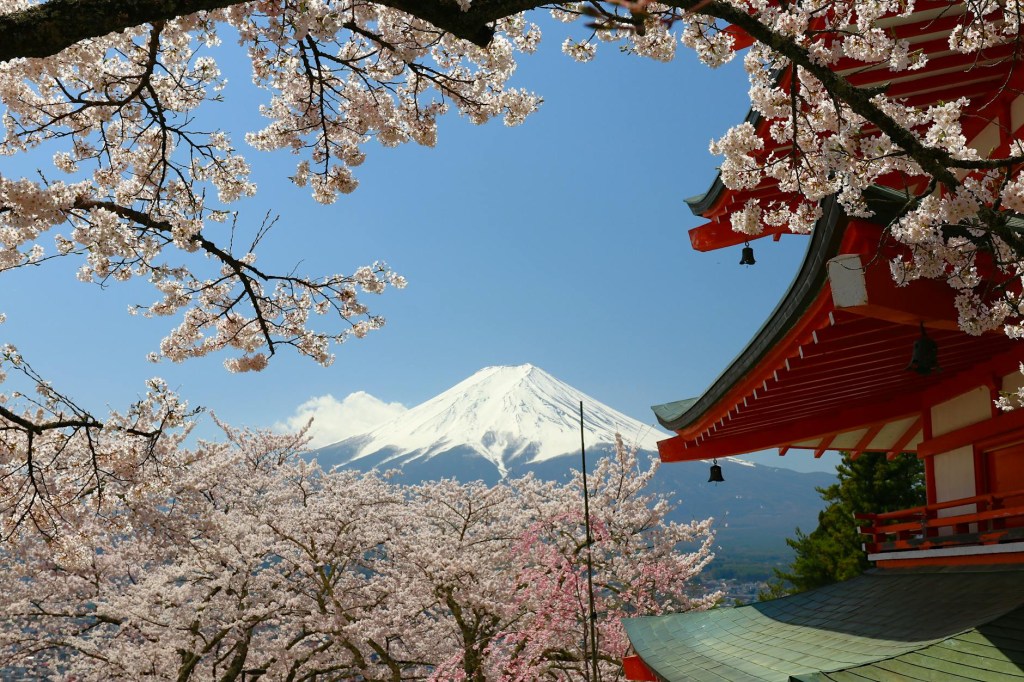
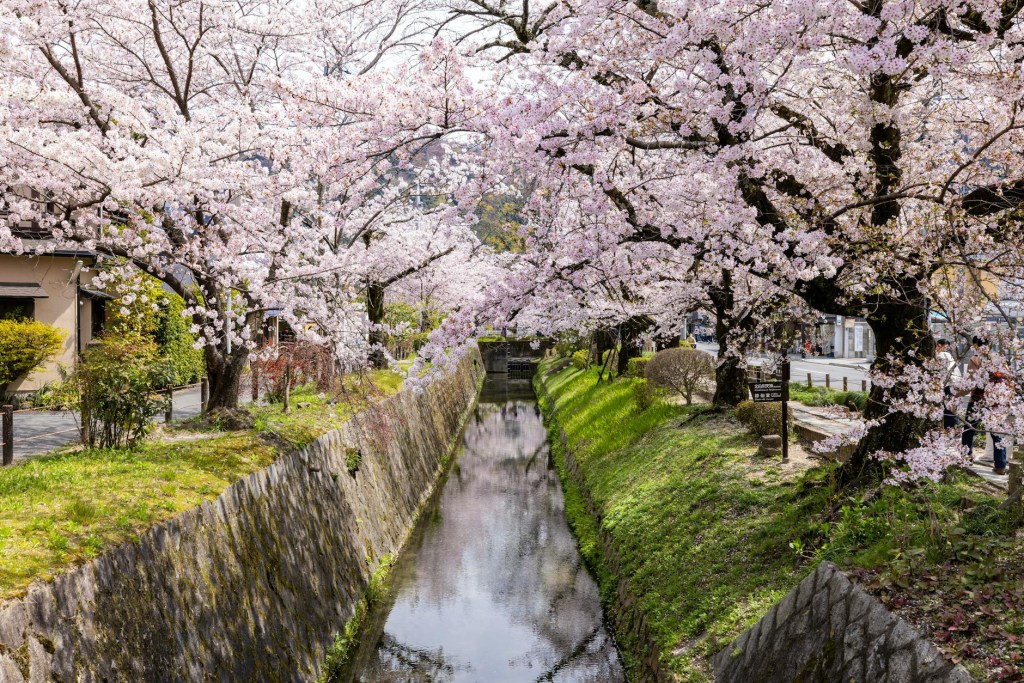
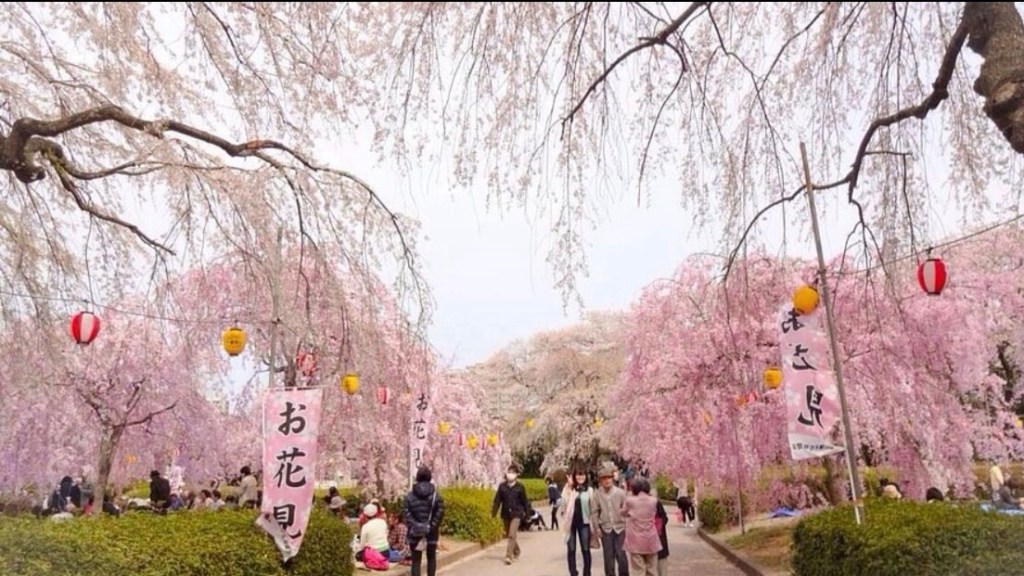
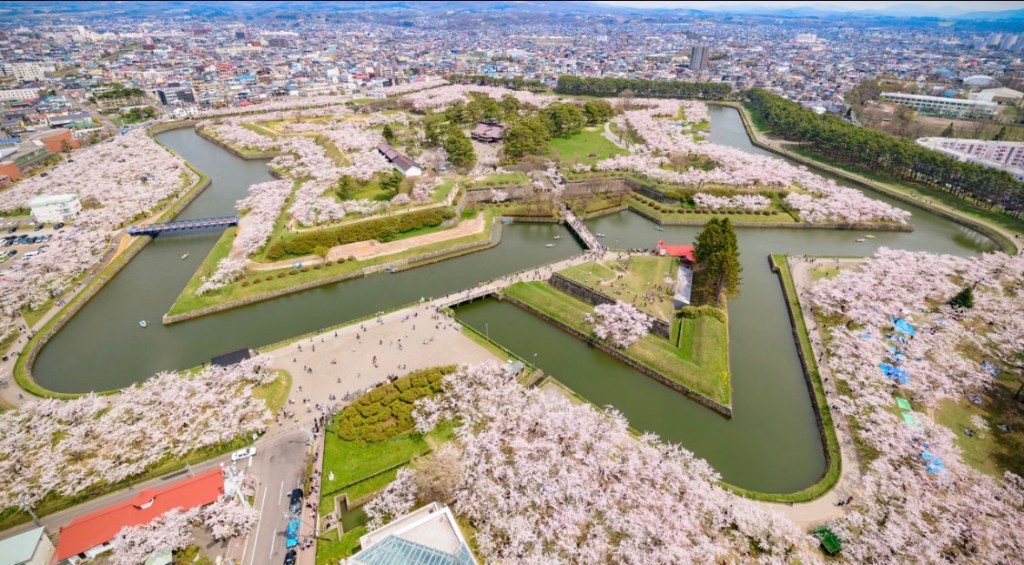
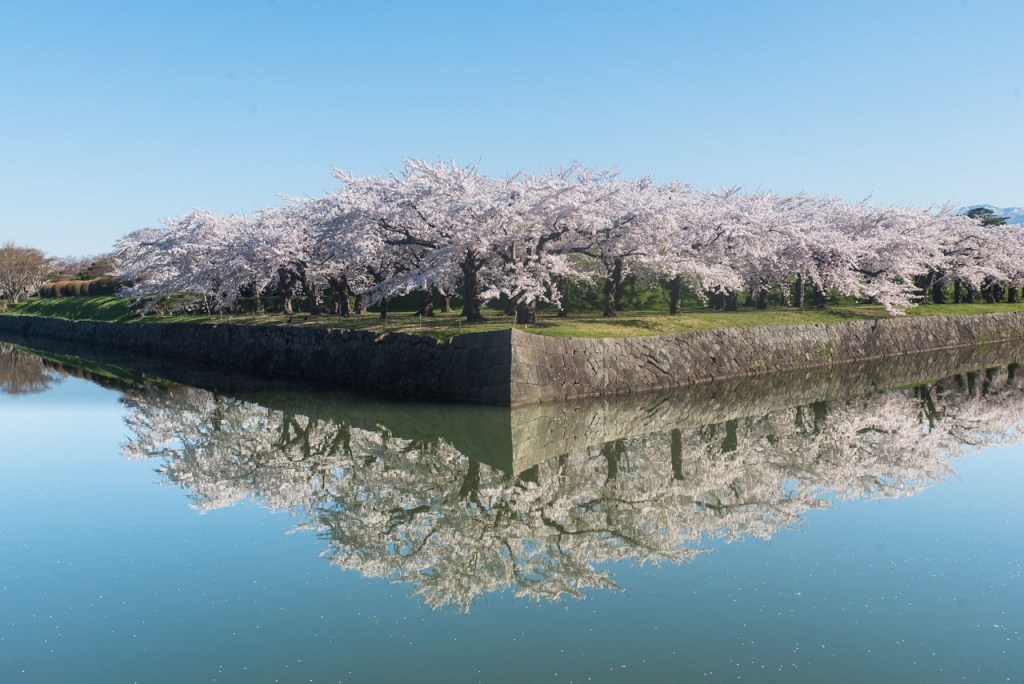
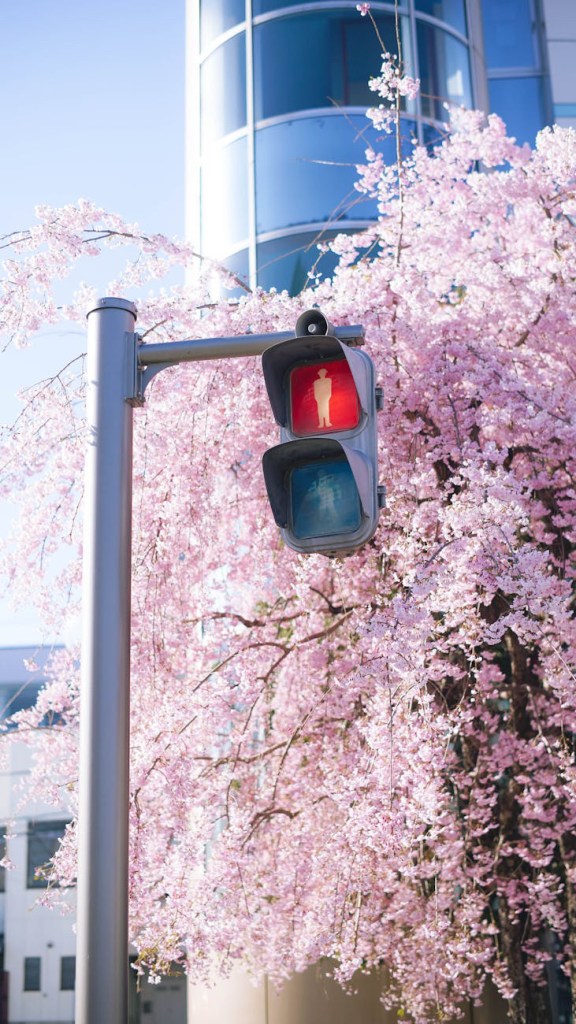
summarize the estimated cherry blossom front in Japan for j 、This year, it’s said that areas like Kanto and Eastern Japan are expected to bloom slightly earlier than usual.
⭐️Tokyo and Kanto: expected to bloom around March 20th, 2026 this year!
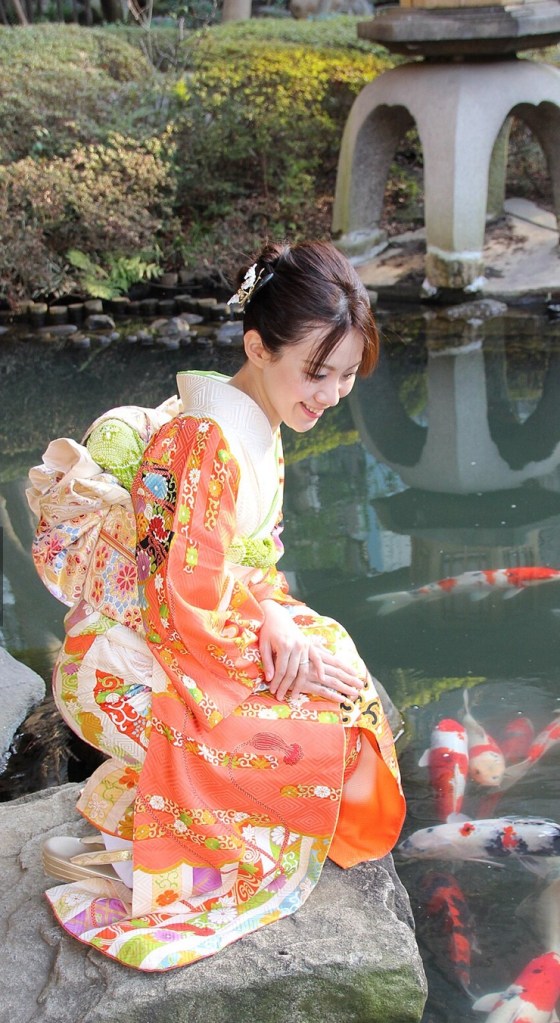
⭐️成人式Congratulations on reaching adulthood, everyone.Happy Coming of Age Ceremony
Guiding my recommended trip to those who are planning a trip to Japan.
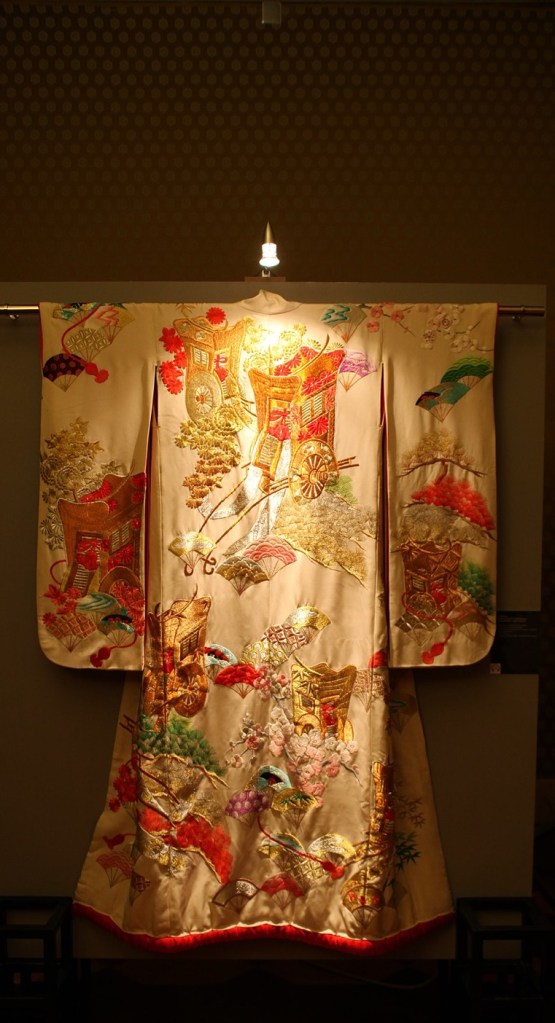
Wikipediaより拝借 振袖
Coming-of-age ceremonies are events in Japan that celebrate new adults, and are held on the second Monday of January each year, known as “Coming-of-Age Day.”
In 2025, Coming-of-Age Day was on January 13th.
Currently, due to the amendment of the Civil Code, the age of majority has been lowered to 18, but many local governments still hold coming-of-age ceremonies for those who are 20 years old.
In Japan, the legal drinking age is 20 years old. Although the legal adult age was lowered to 18 years old in April 2022, the drinking age remains at 20 years old.
Since the schedule and names may vary depending on the region, it is necessary to check the information from the local government for details.
The origin dates back to the Nara period with the “genpuku” and “mogi” ceremonies. Originally, it was a ritual performed by the upper class of nobles and warriors. The current form dates back to the “Seinen-sai” in 1946. The origin of the coming-of-age ceremony where new adults gather together is said to be the “Seinen-sai” held in Warabi City, Saitama Prefecture in 1946. It spread nationwide, and January 15, 1949 was established as “Coming of Age Day.”
And in 1948, it was officially established as a national holiday.
In the United States, the age of adulthood is 18, but there are “Sweet 16” parties held at 16, with dresses and parties at hotels.
In China, adulthood is at 18. A solemn ceremony is held at school. It seems to have a similar atmosphere to Japan’s graduation ceremonies, with the national anthem and pledges.
In Nepal, the Hindu ritual “Barthaman” is performed, and the age is determined through fortune-telling, so it varies from person to person.
In South Korea, there is “Coming of Age Day” celebrating the age of 19 on the third Monday of May, and it seems common to spend it with friends or lovers.
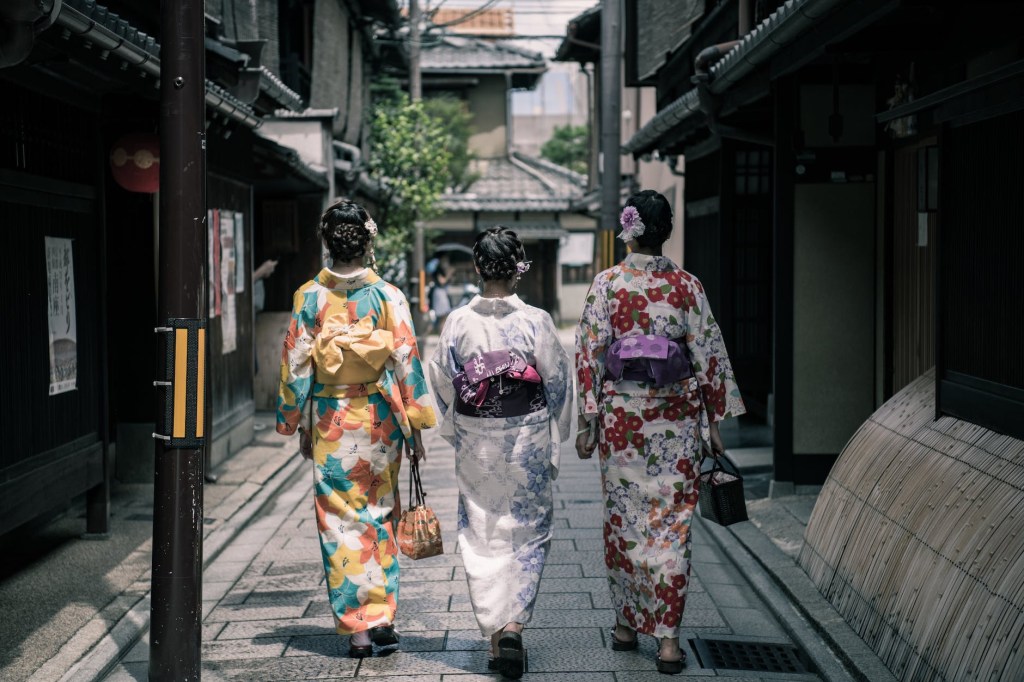
It varies by country, but on this day, you can see many lovely and beautiful young women in gorgeous furisode kimono when visiting places like large public halls in big towns. It’s a highly recommended spot to visit.
How about including this in your travel plans for next year?
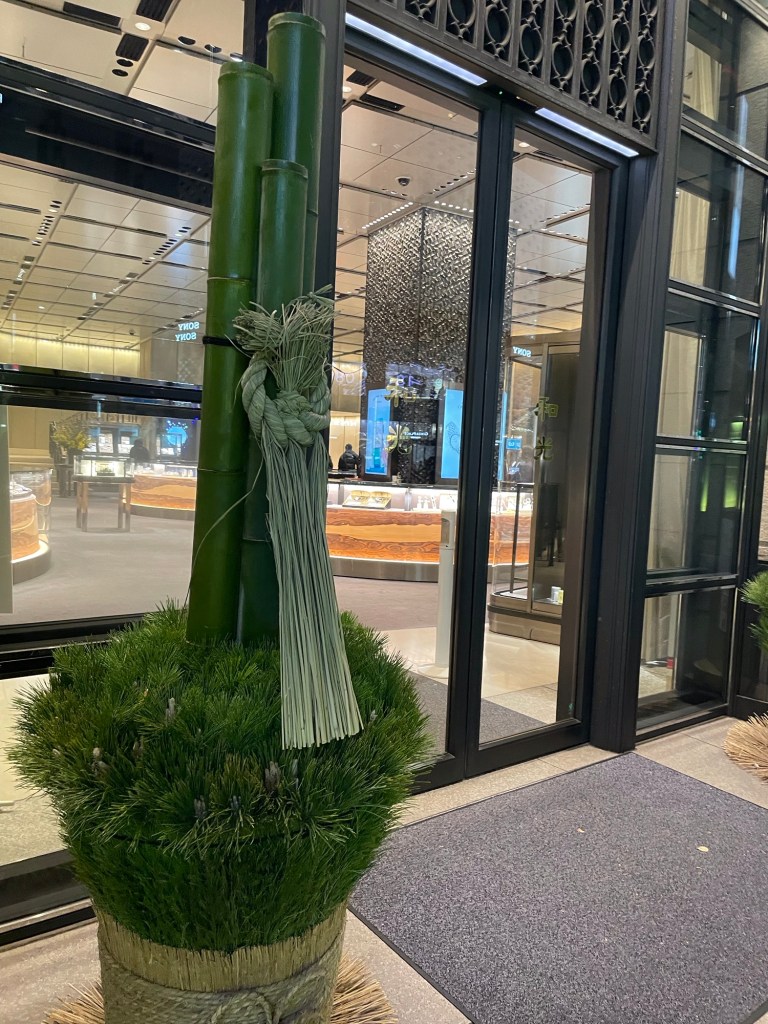
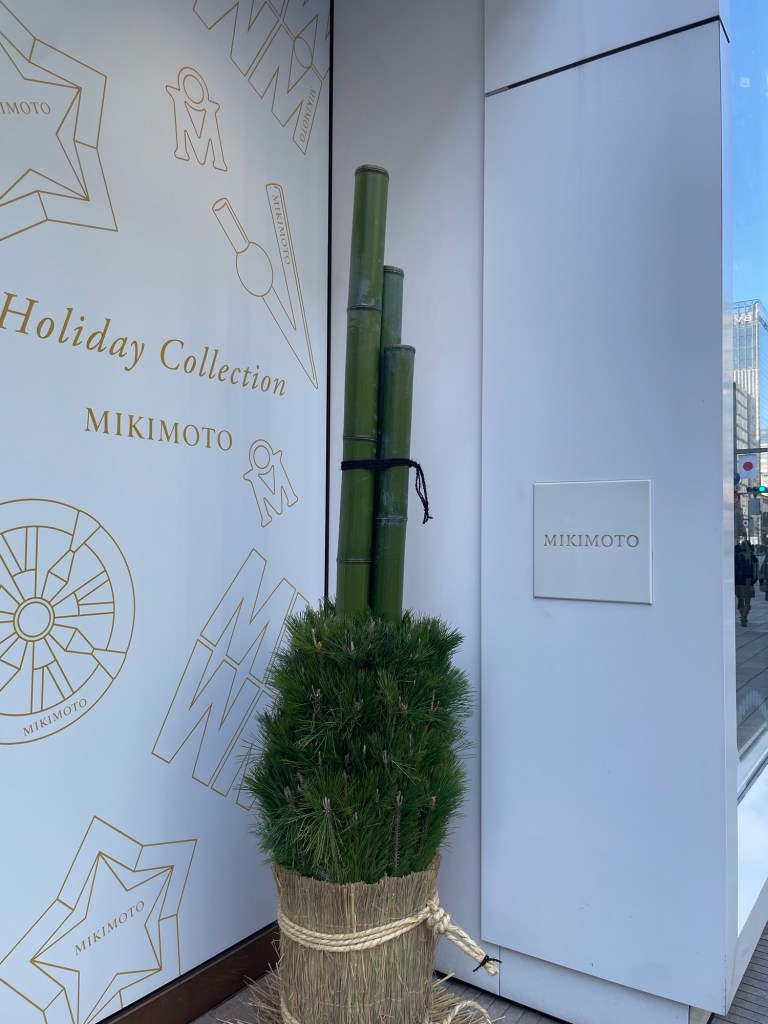
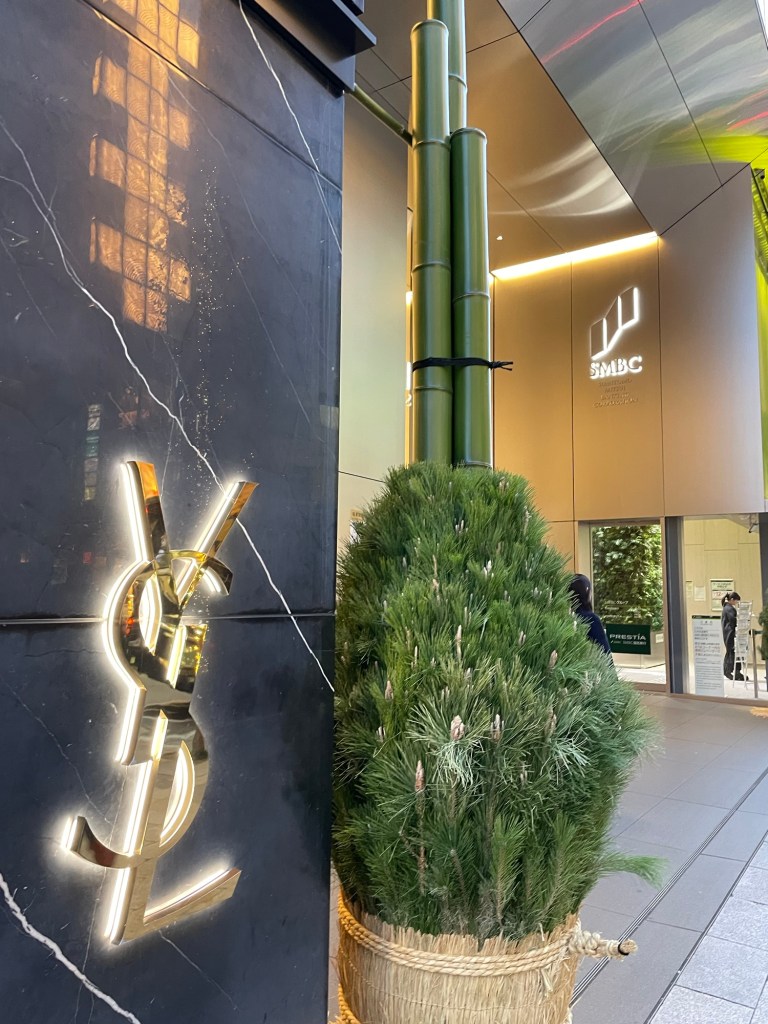
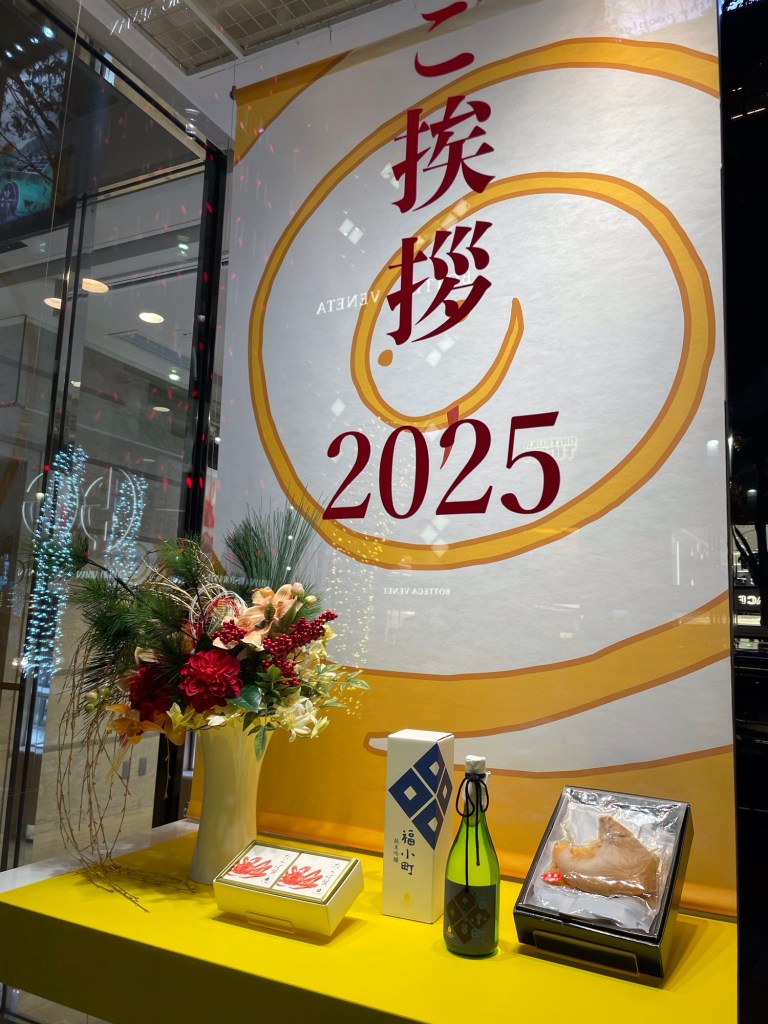
Kadomatsu is a decoration displayed at the end of the year to welcom the New Year,
believed to welcome the deity of the year.
It is generally considered good to set it up from December 25th to 28th,
and it is avoided on the 29th as “kutamachi” and on the 31st as “ichiyakazari.”
Kadomatsu is something to be placed at the entrance, and even a simple and modest one is acceptable depending on the circumstances of the region or household.
By the way, today, !
12/30!seems to be the last day it’s okay to put it up.
I’m going to hurry and put it up.
Removal is generally on January 7th after the end of “matsunouchi,” but it varies by region.
Karatsu City faces the Sea of Genkai in the northwestern part of Kyushu, and is a scenic place nurtured by the beautiful and rich nature represented by “Niji-no-matsubara,” which is a national special scenic beauty and one of the three great pine groves in Japan.
Takachiho is a place associated with Japanese mythology.
There are many shrines enshrining deities and places that are said to be the setting of mythology, such as Ama-no-Iwato, Ama-no-Kawara, and Kushifuru-no-Mine.
The stories described in the Kojiki and Nihonshoki are composed of three myths: the Takamagahara myth, the Izumo myth, and the Hyuga myth.
It takes less than an hour by train from Fukuoka to Itoshima City.About 100,000 population. It is a spacious coast, mountains, and rice fields in the western part of the peninsula.The simple Kyushu food is very delicious!
Itoshima City, Fukuoka Prefecture, ranked third in the world in “Bright lights, small city,” a ranking of livable small cities published by the British information magazine “MONOCLE” in 2021.
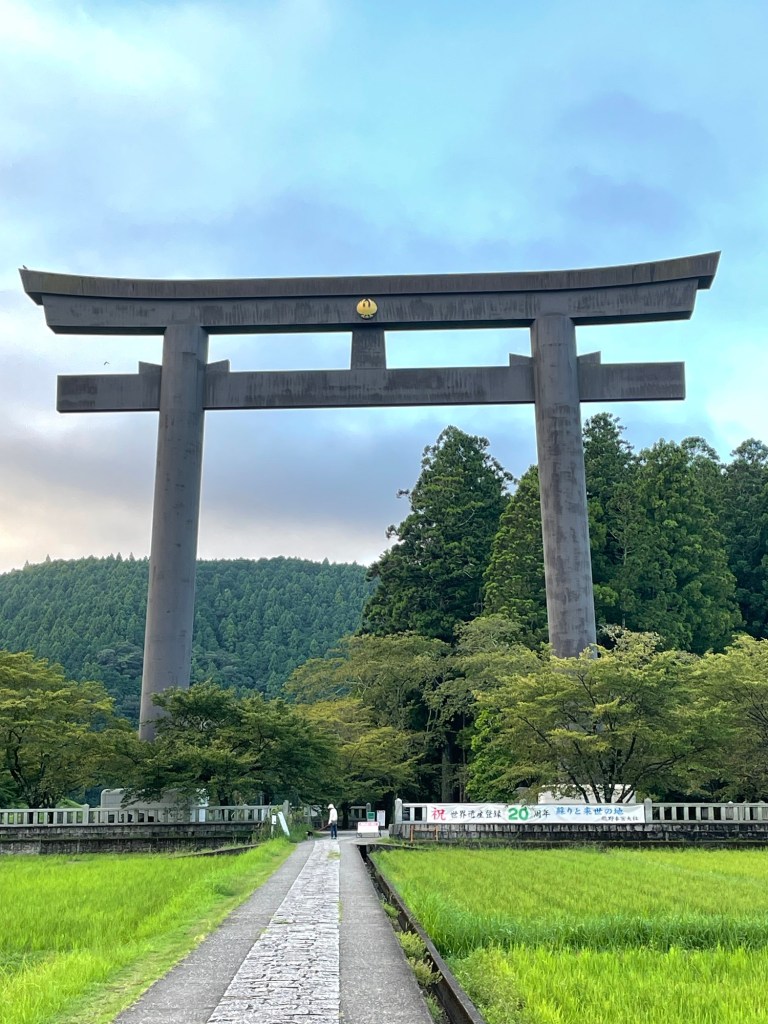
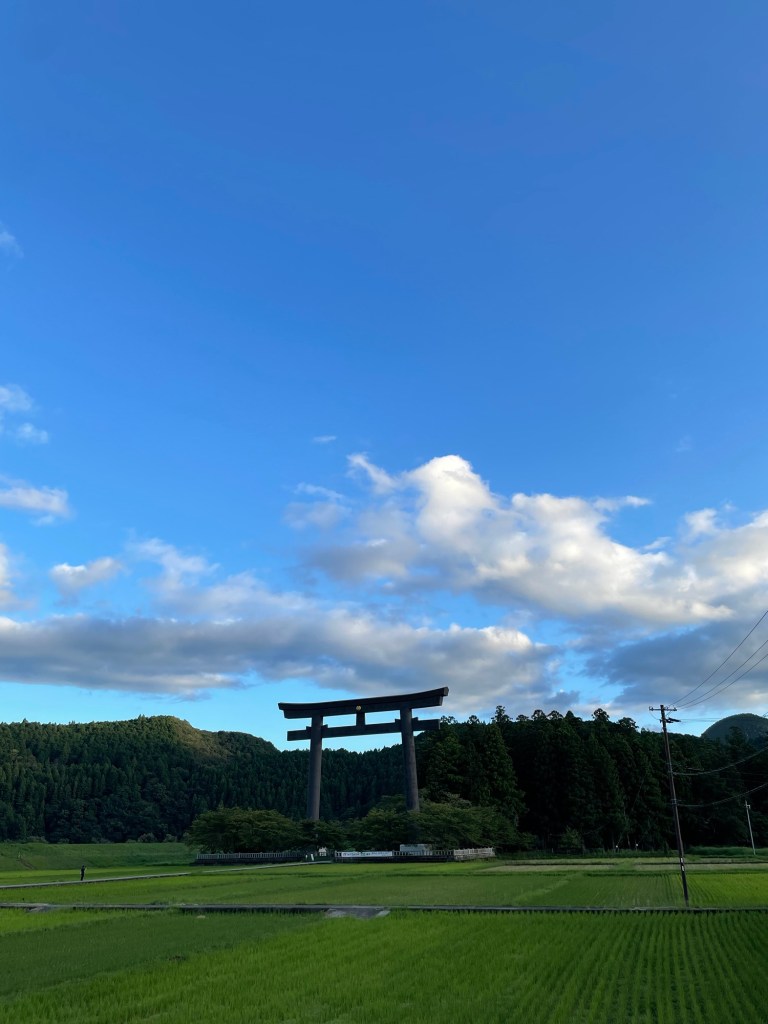
ここに行きたかった!Oyunohara is the former shrine site of Kumano Hongu Taisha in Tanabe City, Wakayama Prefecture, located at the confluence of the Kumano, Otonashi, and Iwata Rivers.
Founded in 33 B.C., ❗️
many of the shrine buildings were washed away in a flood in 1889 and moved to their current location.
Oyunohara is home to Japan’s tallest Otorii gate (34 meters high) and is also known as a cherry blossom viewing spot. Tourists can visit it from Kumano Hongu Taisha Shrine in about 10 minutes on foot
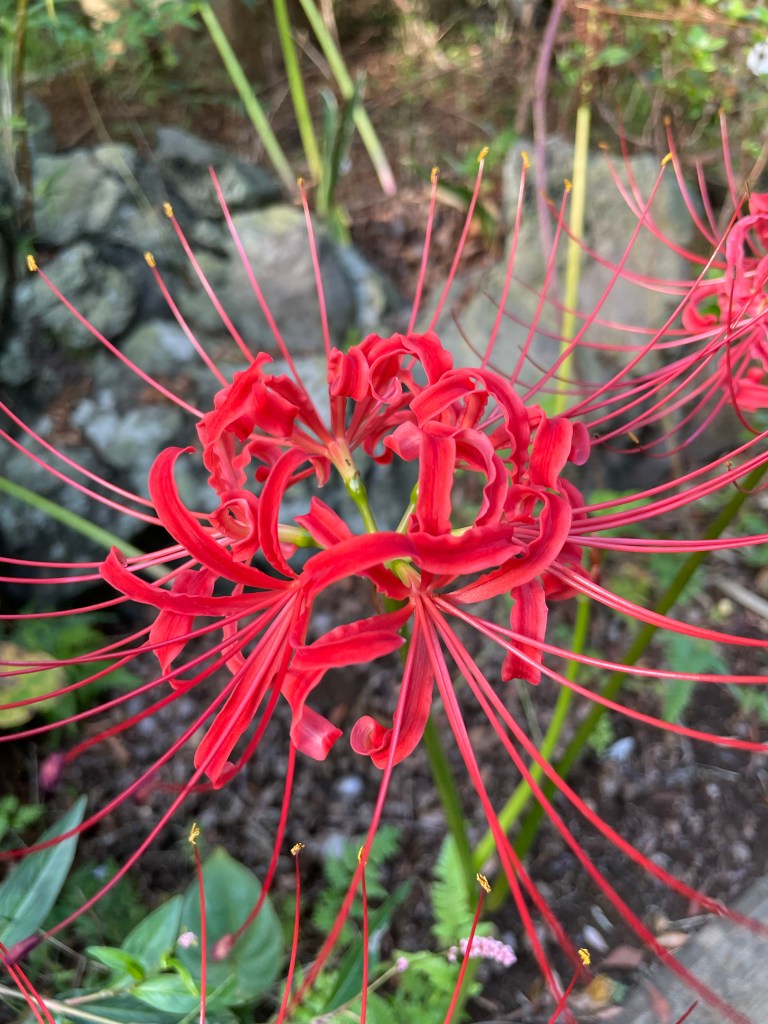
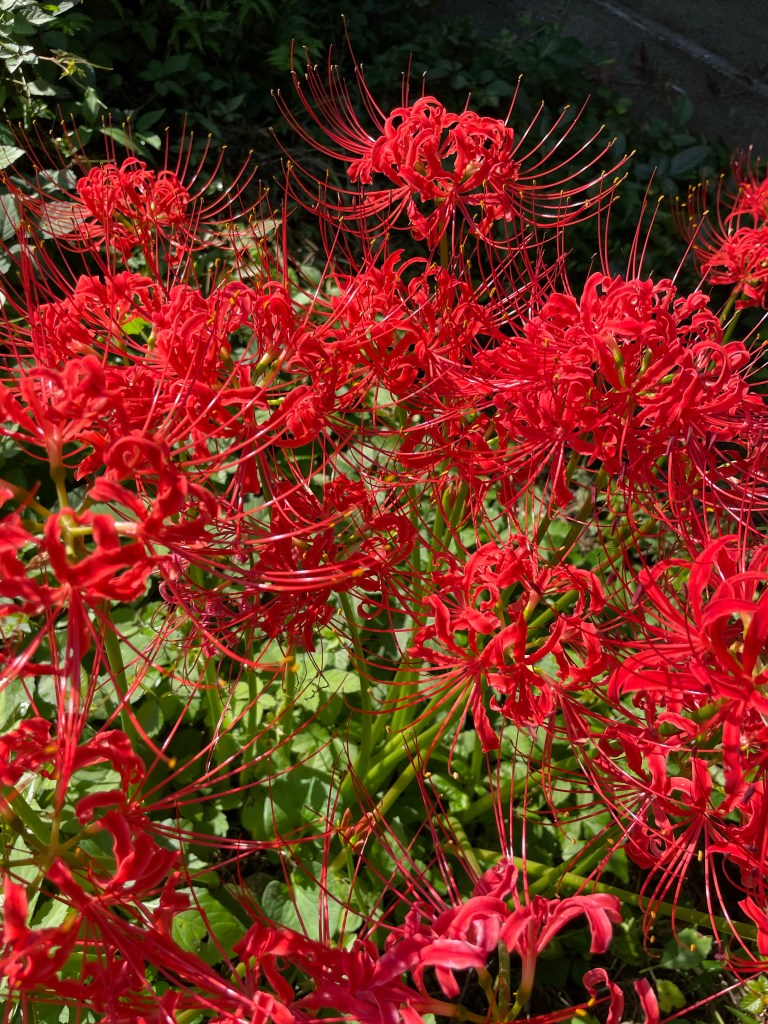
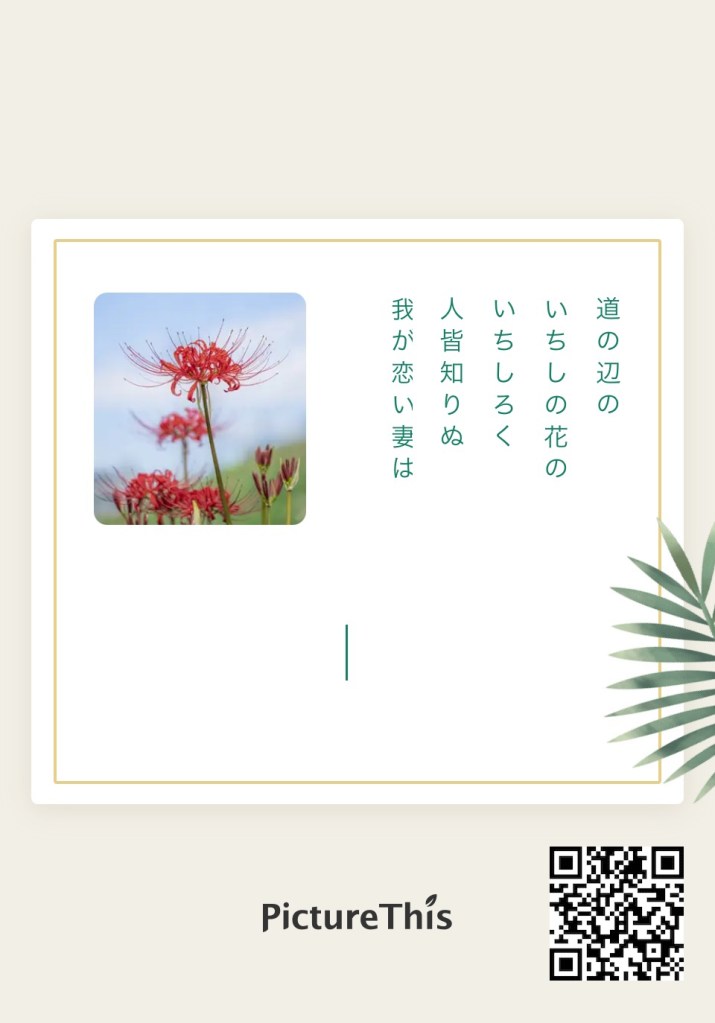
In Japan, higanbana (higanbana) is a flower that grows in clusters alongside roads and on banks, heralding the arrival of autumn. When it comes into bloom, only the stem grows quickly and bears a single red flower, followed by the sprouting of thin leaves. For a long time, it was considered an unlucky flower in Japan, as it was planted in cemeteries and was often associated with death.
Tango has long been a village of textiles, and Tango Chirimen, a silk fabric originated in the Edo period (1603-1867), is supple and dyeable, and has supported Japan’s kimono culture as a representative fabric for yuzen-dyed and other kimono.
The area is still the largest silk weaving center in Japan, producing approximately 60% of the fabric used to make kimonos.







 SUNSUN kawaii Japon🇯🇵
You must be logged in to post a comment.