いつもご覧いただきありがとうございます。
新しいブログに引っ越しました!
新しいURL:https://segaijin.com
引き続き日本の素敵な日常をお届けします。
新しいブログでもよろしくお願いします😊🌸
いつもご覧いただきありがとうございます。新しいブログに引っ越しました!
新しいURL:https://segaijin.com
引き続きよろしくお願いします😊」
いつもご覧いただきありがとうございます。
新しいブログに引っ越しました!
新しいURL:https://segaijin.com
引き続き日本の素敵な日常をお届けします。
新しいブログでもよろしくお願いします😊🌸
いつもご覧いただきありがとうございます。新しいブログに引っ越しました!
新しいURL:https://segaijin.com
引き続きよろしくお願いします😊」
summarize the estimated cherry blossom front in Japan for j 、This year, it’s said that areas like Kanto and Eastern Japan are expected to bloom slightly earlier than usual.
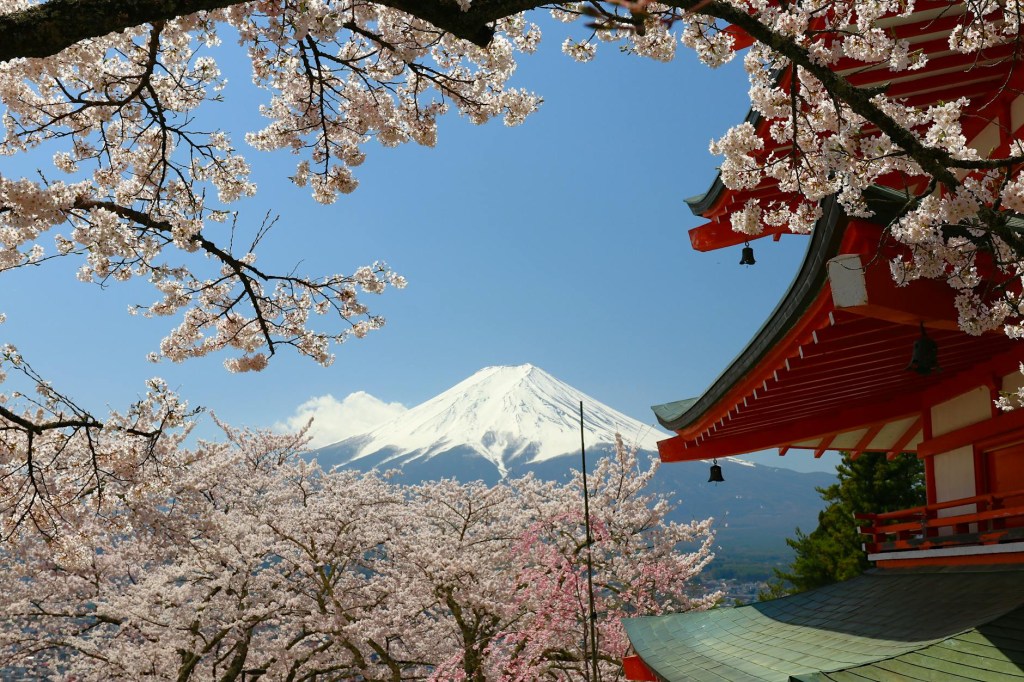
⭐️Tokyo and Kanto: expected to bloom around March 20th, 2026 this year!

reaching full bloom by late March
example, around March 28th!!!!!
It’s a prediction…
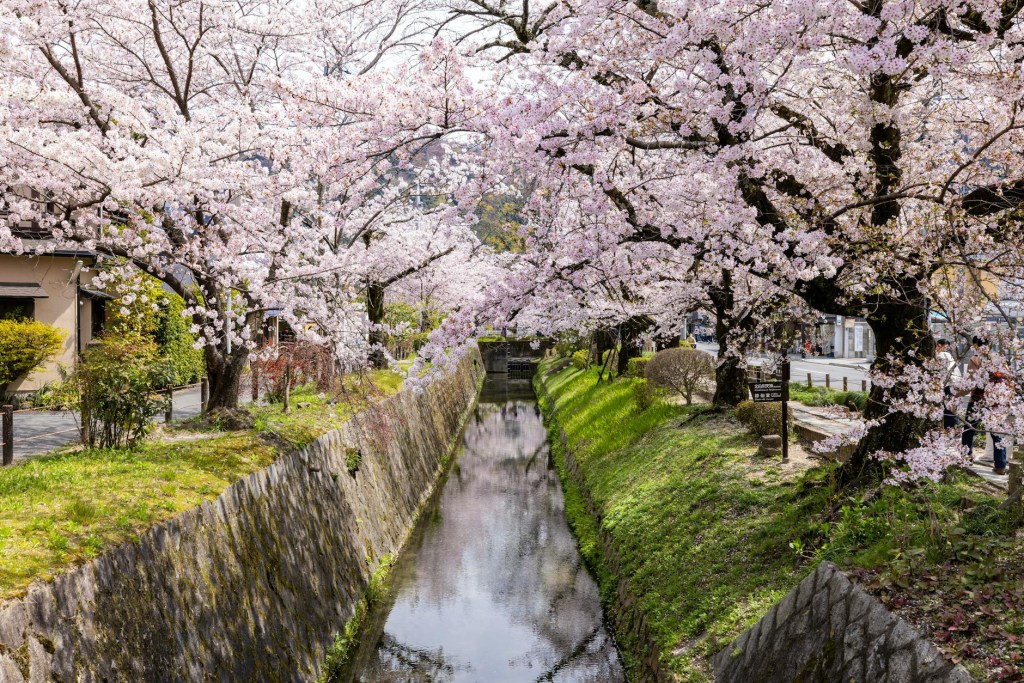
⭐️⭐️Kyoto and Osaka: 京都 大阪
expected to bloom in late March,
full bloom by the end of March to early April.
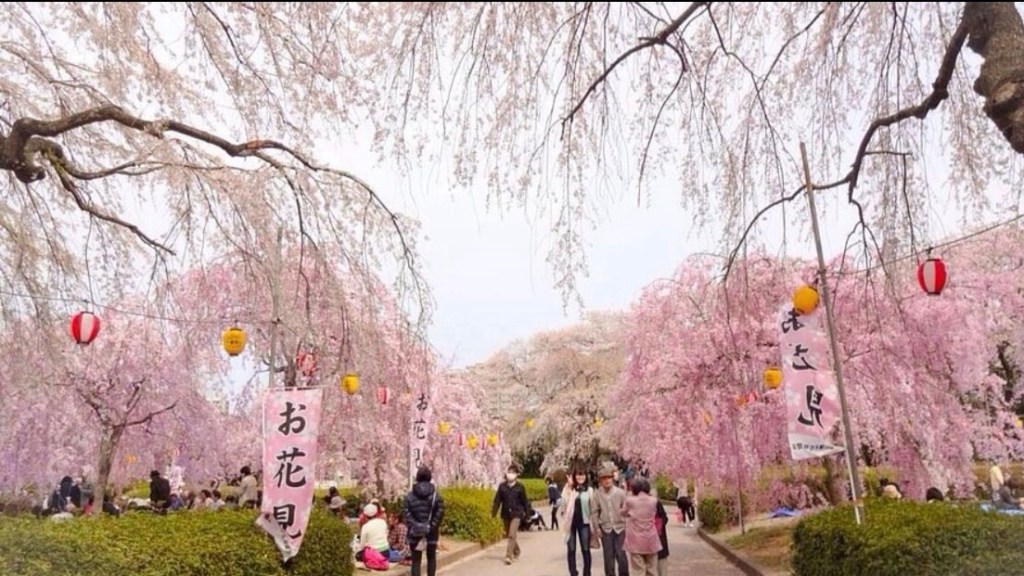
⭐️Tohoku (such as Sendai): 仙台市など
expected to bloom around early April.
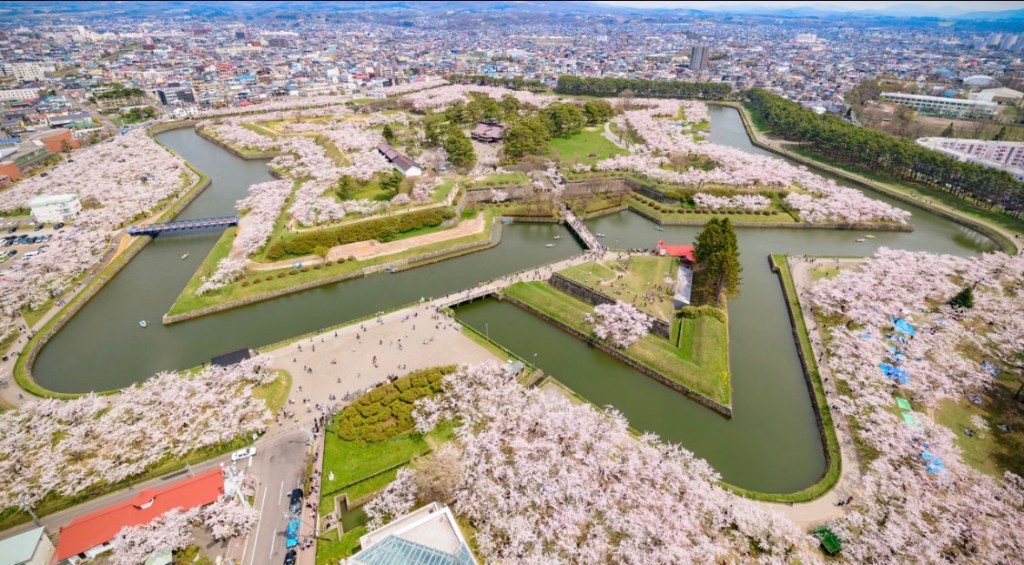
⭐️Hokkaido (Sapporo): Cherry blossoms expected to bloom around late April.
At the end of April, Japan has Golden Week. (ゴールデンウィーク休日)That’s a vacation in Japan. It’s a long break.(not a long though,,)
If you want to enjoy Sakura and Golden Week, Hokkaido would be the best choice.
2026 cherry blossoms season,
everyone, please come to Japan.
somewhere in the sakura streets, somewhere in a beautiful town in Japan!
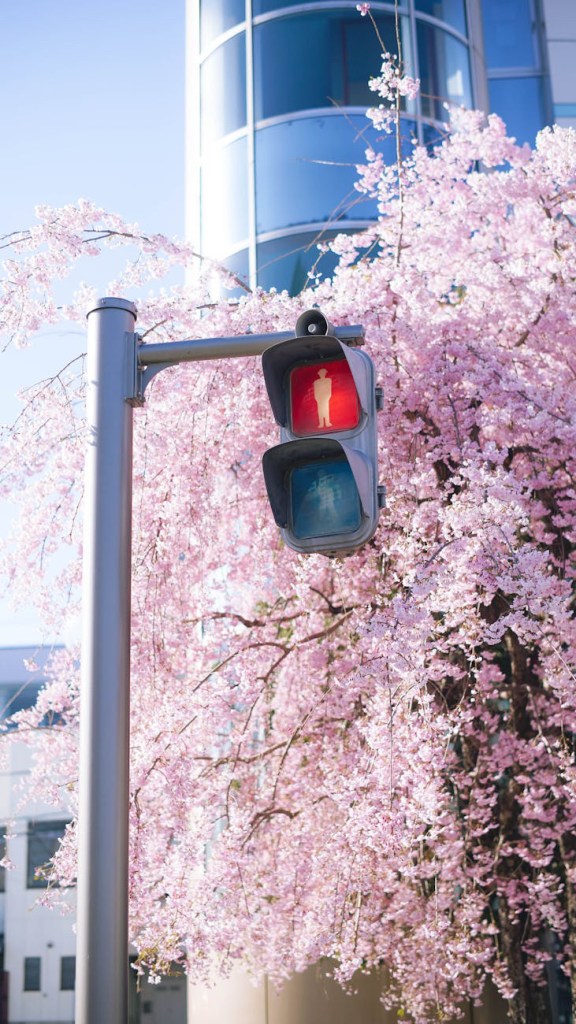
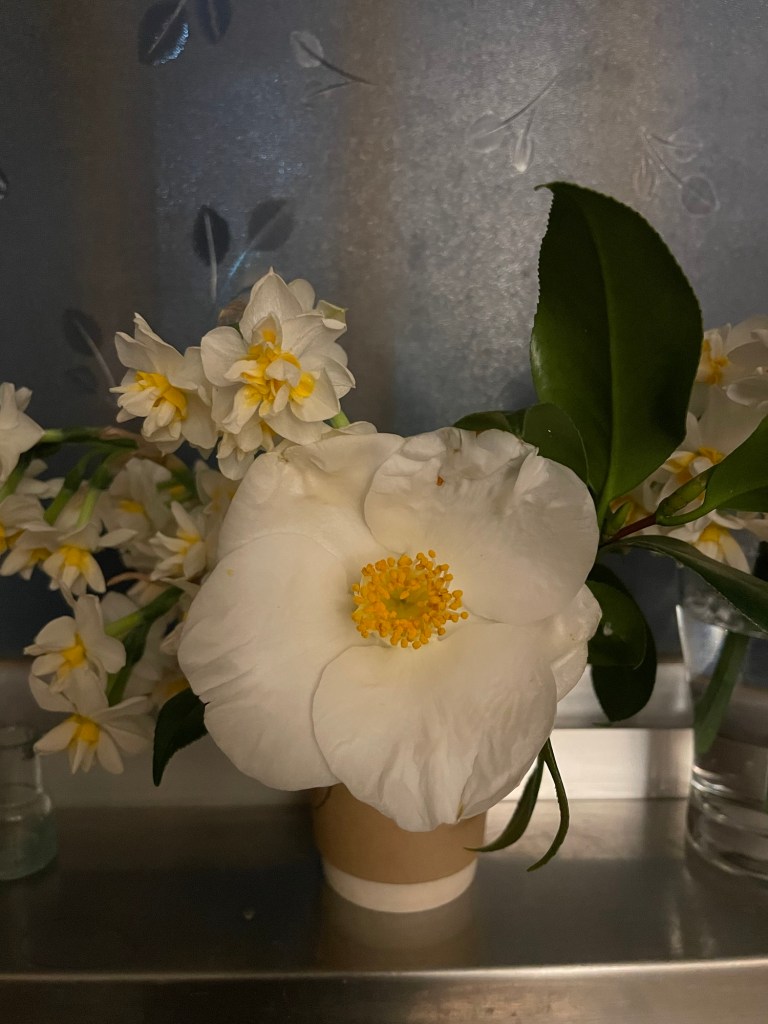
昭和の古い窓 葉っぱの柄がコラボcawaii
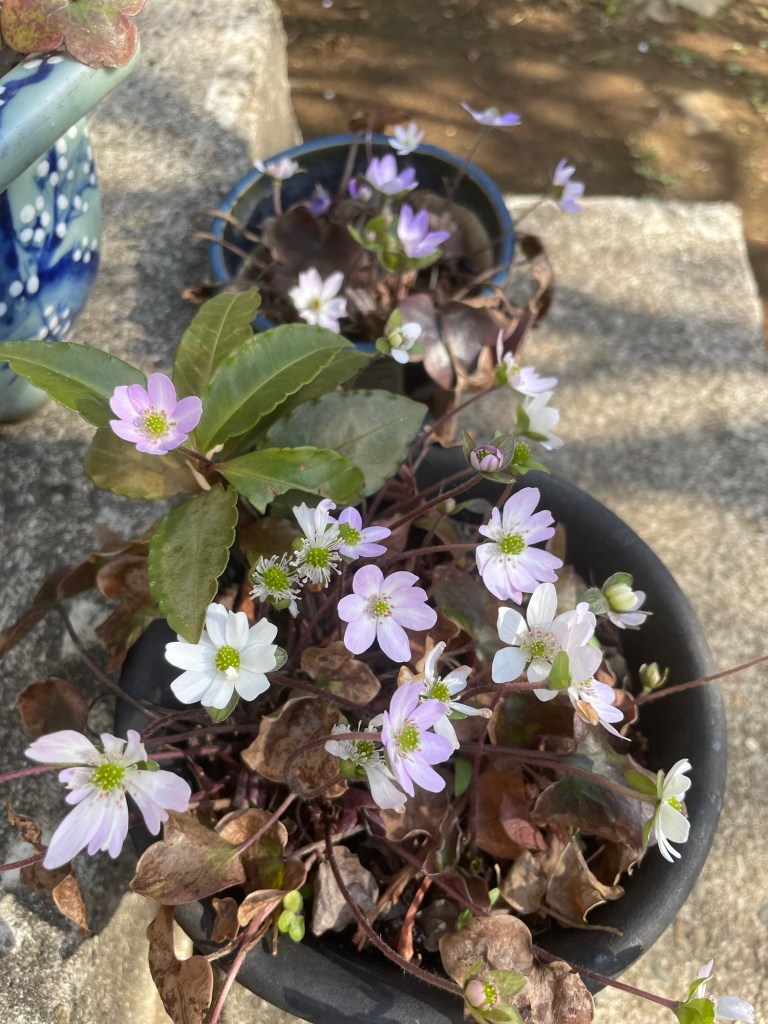
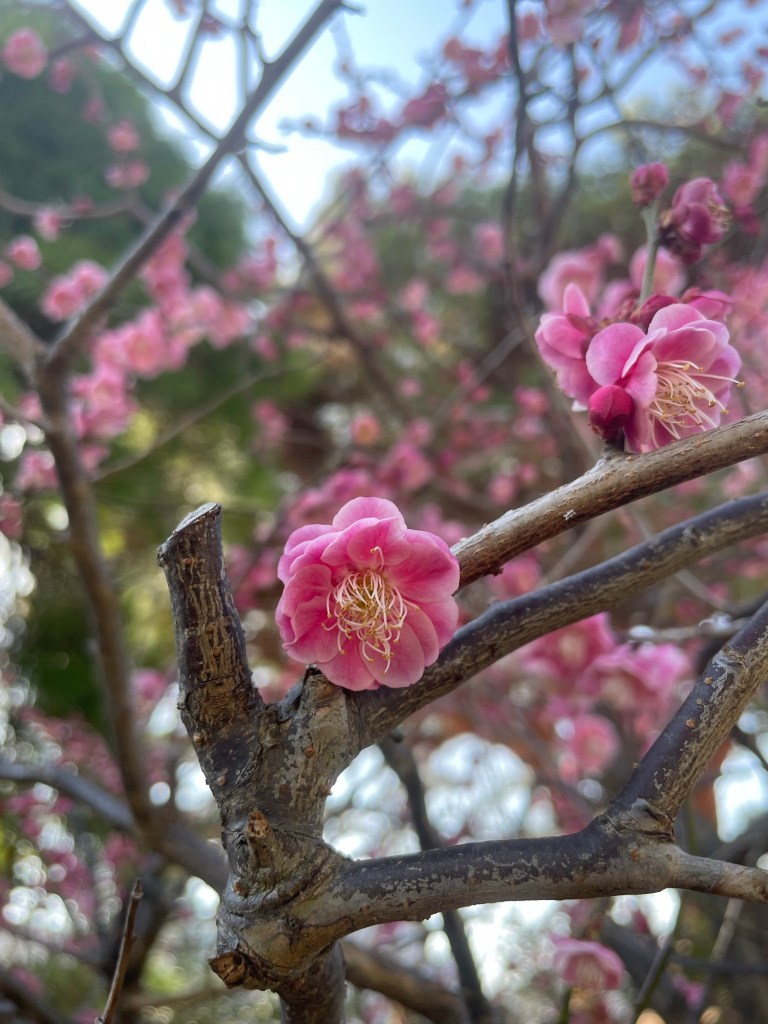
Spring has finally arrived and the plants in my garden are swaying desperately in the wind. Take a look at how my garden is doing.
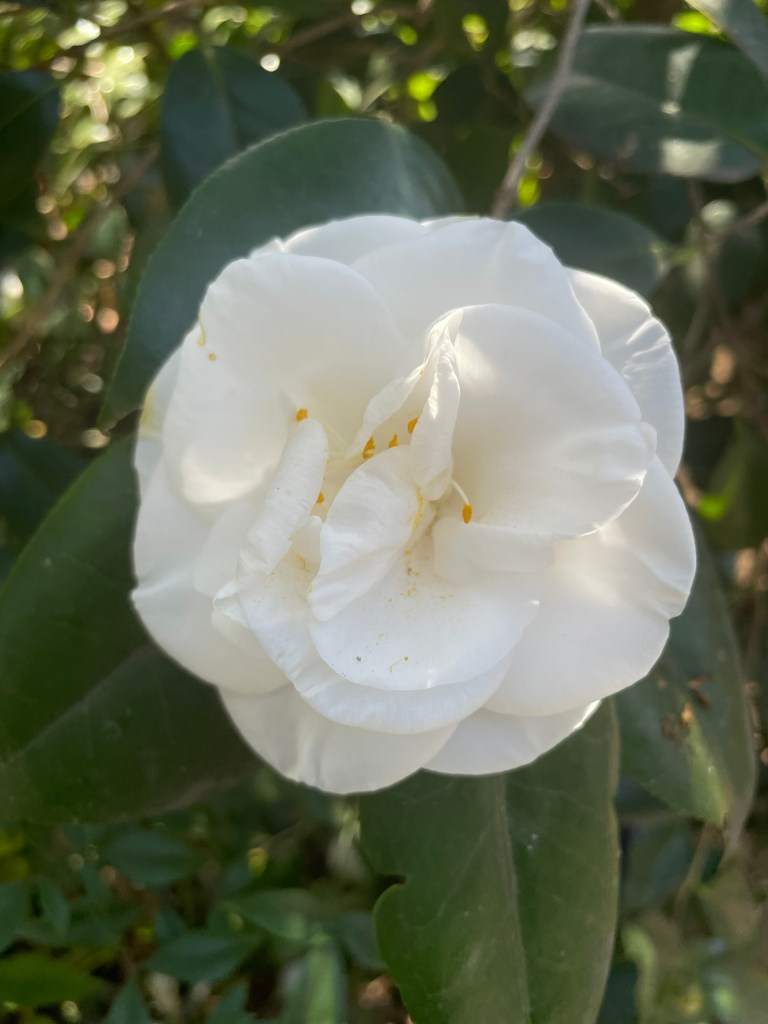
Thanks for checking it out.
Please hit the like button.⭐️
桜は日本の春を象徴する花で、多くの人々に親しまれています。2025年東京は3月30日に満開を迎える見込み、、と言われてますが、
日比谷公園ではこのくらい
Cherry blossoms are flowers that symbolize spring in Japan and are loved by many people. It is said that Tokyo is expected to be in full bloom on March 30, 2025, but…
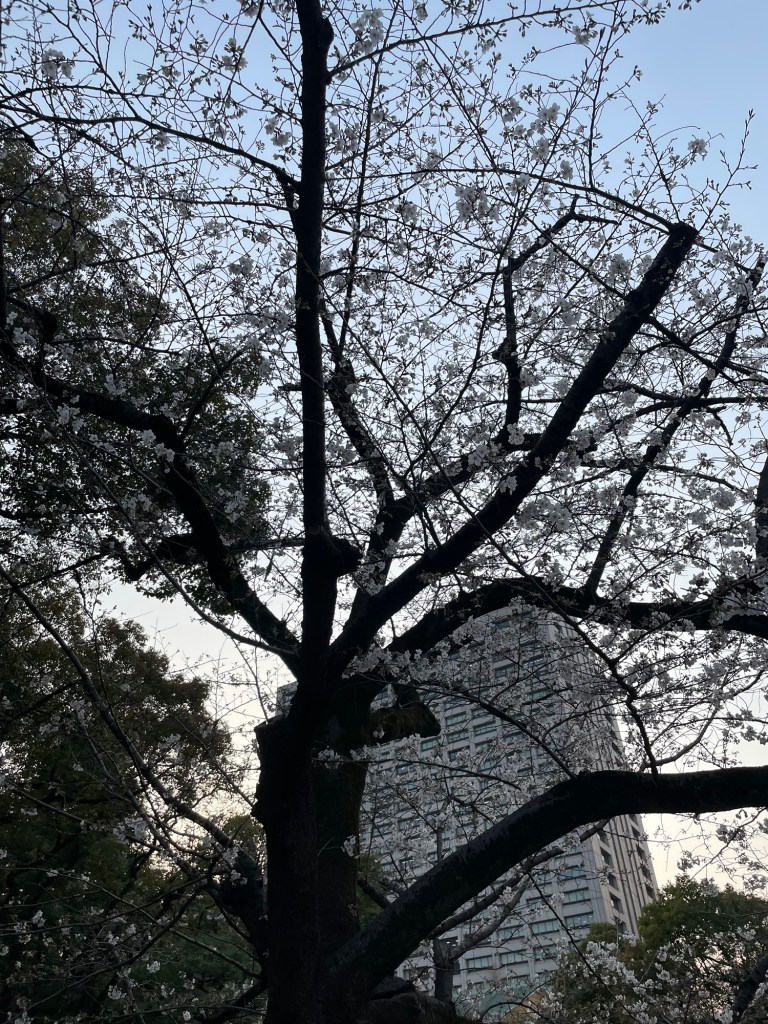
東京満開にはもう少しかかりそうです♪
東京の桜情報でした!ではまた次回!
It seems like it will take a little longer for Tokyo to be in full bloom♪
It was information about cherry blossoms in Tokyo!
See you next time!
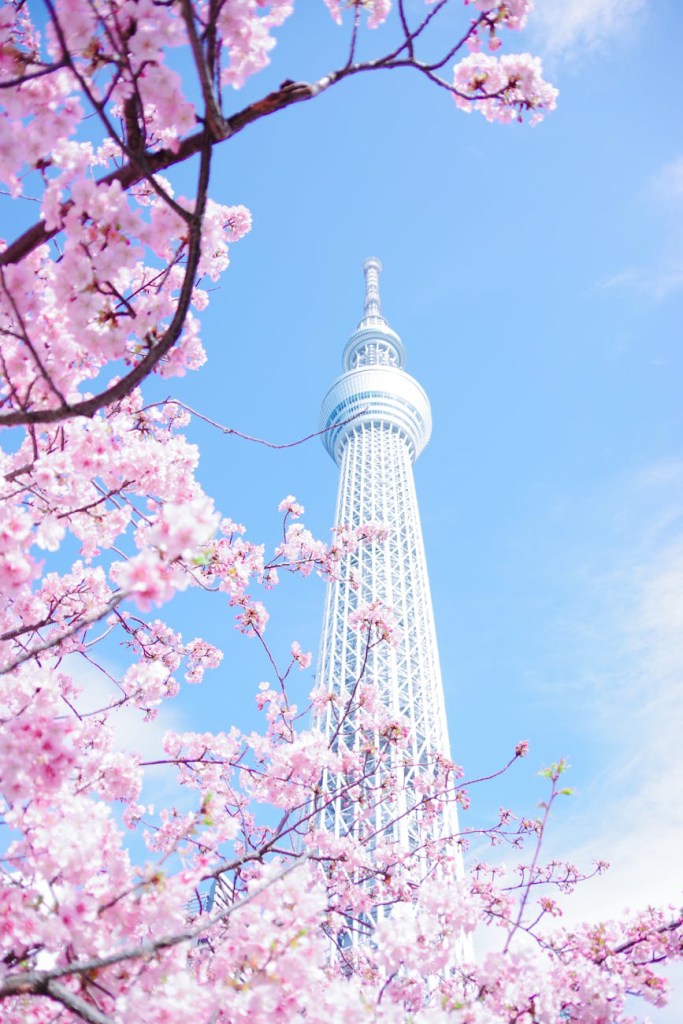
⭐️成人式Congratulations on reaching adulthood, everyone.Happy Coming of Age Ceremony
Guiding my recommended trip to those who are planning a trip to Japan.
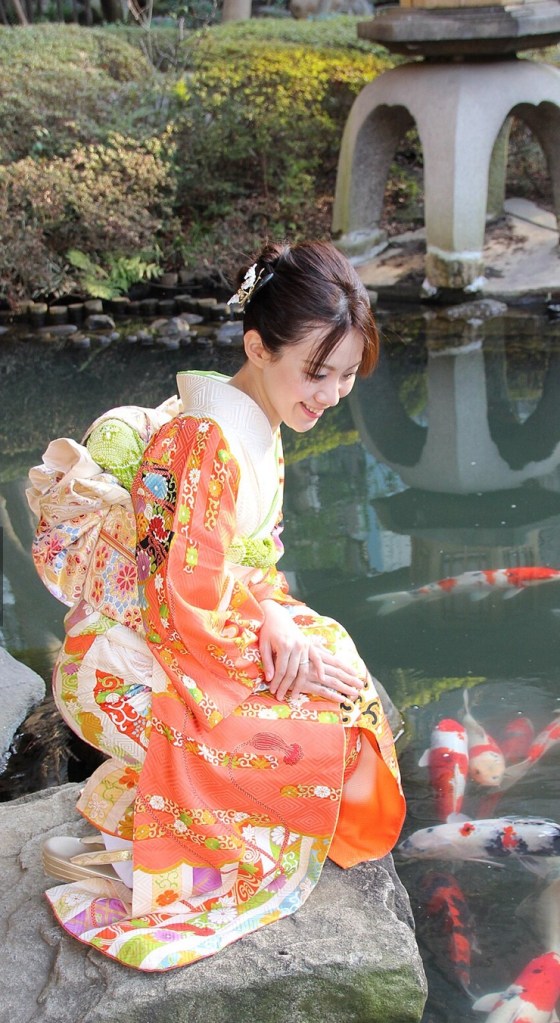
Coming-of-age ceremonies are events in Japan that celebrate new adults, and are held on the second Monday of January each year, known as “Coming-of-Age Day.”
In 2025, Coming-of-Age Day was on January 13th.
Currently, due to the amendment of the Civil Code, the age of majority has been lowered to 18, but many local governments still hold coming-of-age ceremonies for those who are 20 years old.
In Japan, the legal drinking age is 20 years old. Although the legal adult age was lowered to 18 years old in April 2022, the drinking age remains at 20 years old.
Since the schedule and names may vary depending on the region, it is necessary to check the information from the local government for details.
成人式の起源は奈良時代の「元服(げんぷく)」と「裳着(もぎ)」。元々は公家や武家の上流階級で行われていた儀式でした。
現在の形は1946年の「青年祭」。
新成人が一堂に会して行う成人式の発祥は、1946年、埼玉県の現 蕨市で開催された「青年祭」だと言われています。
それが全国に広まり、1949年の1月15日が「成人の日」と制定されました。
そして1948年に国民の祝日として正式に制定されました。
アメリカ:の成人年齢は18歳ですが、16歳で「スウィート16」と呼ばれるパーティーが行われるたり、その際ドレスやホテルでのパーティーをするようです。
中国は18歳が成人。学校で厳粛な儀式が行われるそう。国歌斉唱や宣誓など、日本の卒業式に似た雰囲気のようです。
ネパールではヒンドゥー教の儀式「バルタマン」が行われ、占いで年齢が決まるため人によって異なるようです。
韓国: 満19歳を祝う「成年の日」が5月第3月曜日にあり、友人や恋人と過ごすことが一般的のよう。
国によってそれぞれですが、この日は街中で、特に大きな市町村の公民館など訪れると素敵な晴れ着 振袖のかわいい美しい女子をたくさんみることができます。とってもおすすめのスポットです。
来年の旅の楽しみに入れてみたらいかがでしょうか。
The origin dates back to the Nara period with the “genpuku” and “mogi” ceremonies. Originally, it was a ritual performed by the upper class of nobles and warriors.
The current form dates back to the “Seinen-sai” in 1946.
The origin of the coming-of-age ceremony where new adults gather together is said to be the “Seinen-sai” held in Warabi City, Saitama Prefecture in 1946. It spread nationwide, and January 15, 1949 was established as “Coming of Age Day.”
And in 1948, it was officially established as a national holiday.
In the United States, the age of adulthood is 18, but there are “Sweet 16” parties held at 16, with dresses and parties at hotels.
In China, adulthood is at 18. A solemn ceremony is held at school. It seems to have a similar atmosphere to Japan’s graduation ceremonies, with the national anthem and pledges.
In Nepal, the Hindu ritual “Barthaman” is performed, and the age is determined through fortune-telling, so it varies from person to person.
In South Korea, there is “Coming of Age Day” celebrating the age of 19 on the third Monday of May, and it seems common to spend it with friends or lovers.
It varies by country, but on this day, you can see many lovely and beautiful young women in gorgeous furisode kimono when visiting places like large public halls in big towns. It’s a highly recommended spot to visit.
How about including this in your travel plans for next year?

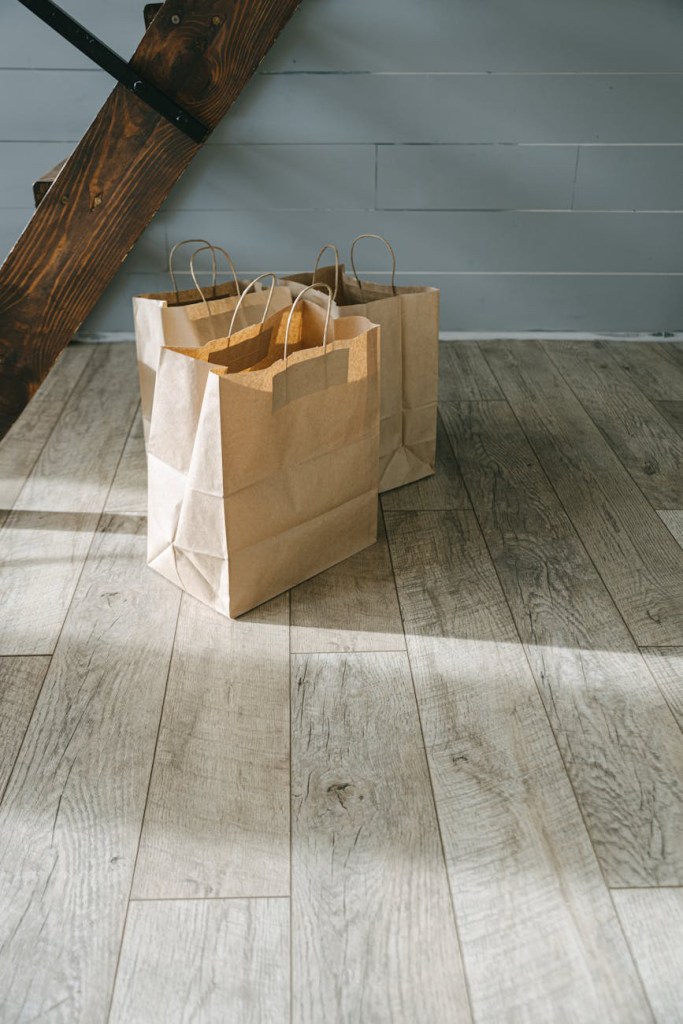
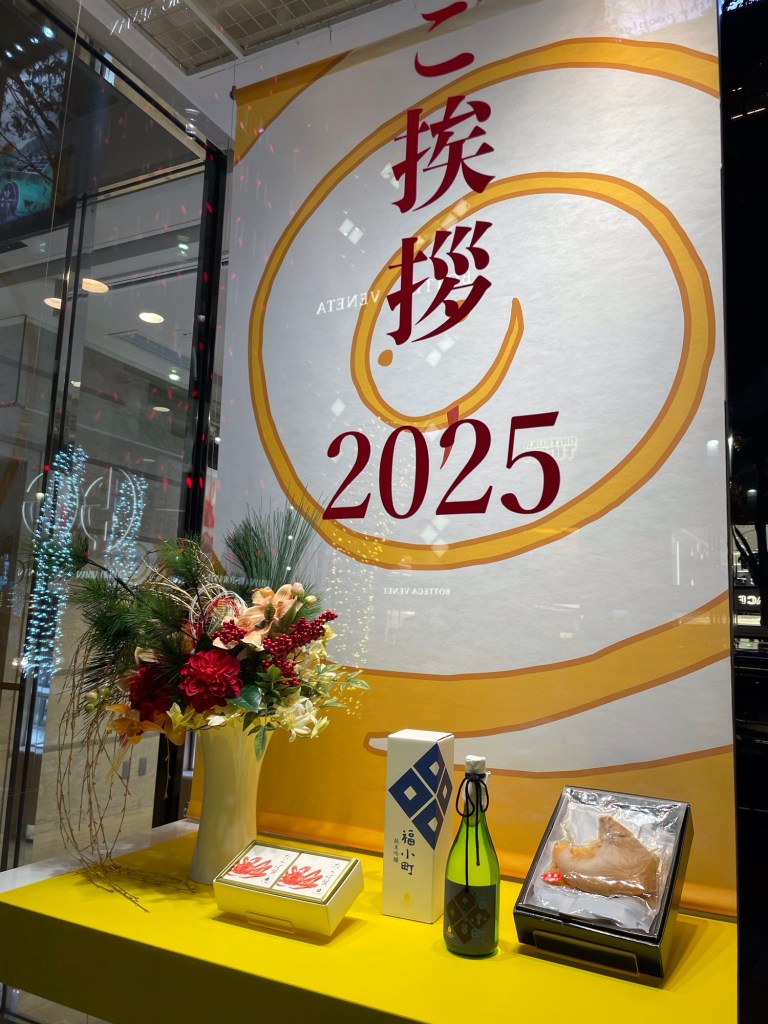
“Fukubukuro” is a Japanese New Year’s tradition where various products are packed into a great value package.
The fukubukuro for 2025 includes a variety of genres such as food, goods, and fashion, with sales from department stores and popular brands attracting attention.
Recently, there has been an increase in fukubukuro where the contents are visible and collaboration products, making it easier for consumers to choose. It is customary for long lines to form at the first sale, and popular items can sell out in a matter of minutes.
The history of the fukubukuro dates back to the Edo period.
The original “Ebisu-bukuro” was sold by Echigoya (now Mitsukoshi), a kimono store in Nihonbashi, which filled bags with leftover winter fabrics.
Daimaru kimono stores also sold bags filled with scraps of fabric in the same way.
In the Meiji period (1868-1912), with the development of department store culture, the fukubukuro became firmly established and became a symbol of the first sales of the New Year.
The name means “to stuff with good fortune.福袋🛍️

Modernization and the development of commerce were behind the popularization of fukubukuro during the Meiji period (1868-1912).As the department store culture spread, Tsuruya Drapery Store (today’s Matsuya) and Ito Drapery Store (today’s Matsuzakaya) began selling fukubukuro, which were widely advertised through newspaper ads.Fukubukuro also attracted attention as a sales strategy combining inventory clearance and good deals for consumers, and became established as a good luck charm for the New Year.
The fukubukuro boom of the Showa period began around 1966, when department stores aggressively introduced fukubukuro as part of their New Year’s first sales.With the high economic growth period in the background, consumer confidence increased, and fukubukuro were introduced in diverse genres such as fashion and home electronics, becoming an established tradition for the New Year’s holiday.
I am writing about how to spend New Year’s Eve on December 31st for those who have come from overseas.

Meaning and Origin of New Year’s Eve.
New Year’s Eve has been a tradition since the 平安時代Heian period (794-1185), and began as a day of preparation for welcoming the 歳神様”Toshigami-sama,” or God of the Year.
It comes from “Misoka,” which means the last day of the month in the lunar calendar, and represents the end of the year.
Major New Year’s Eve Traditions
Japanese people hold the following traditional events on New Year’s Eve:
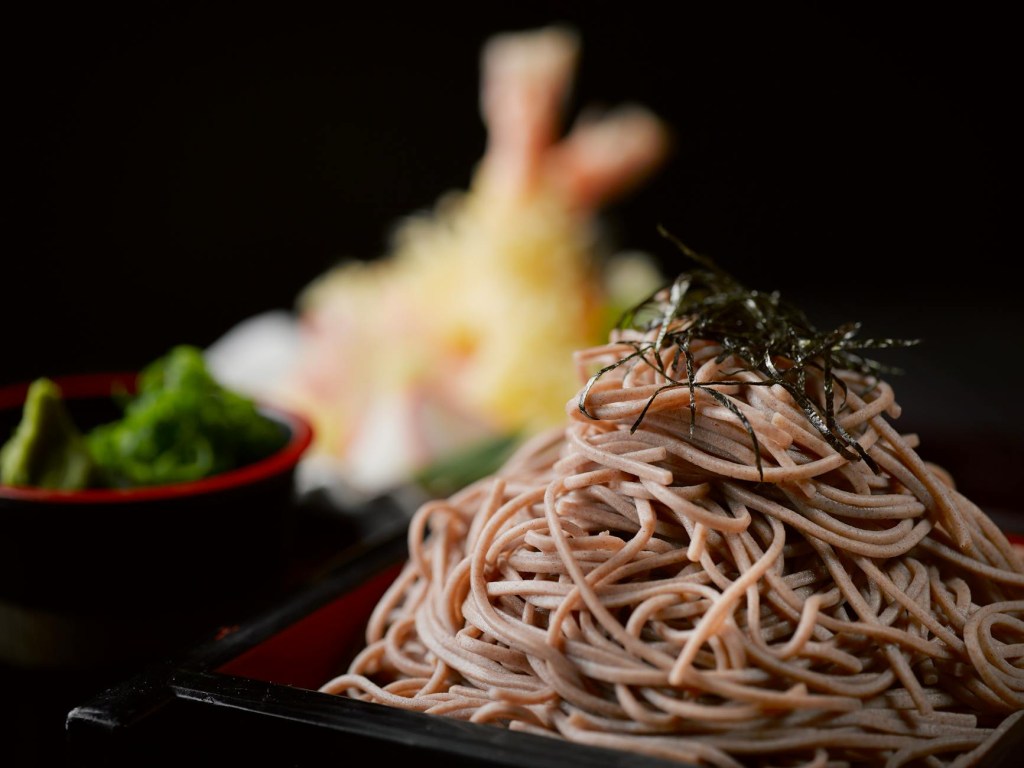
①年越し蕎麦 Soba
New Year’s Eve Soba: to break the hardships of the year and wish for a long life
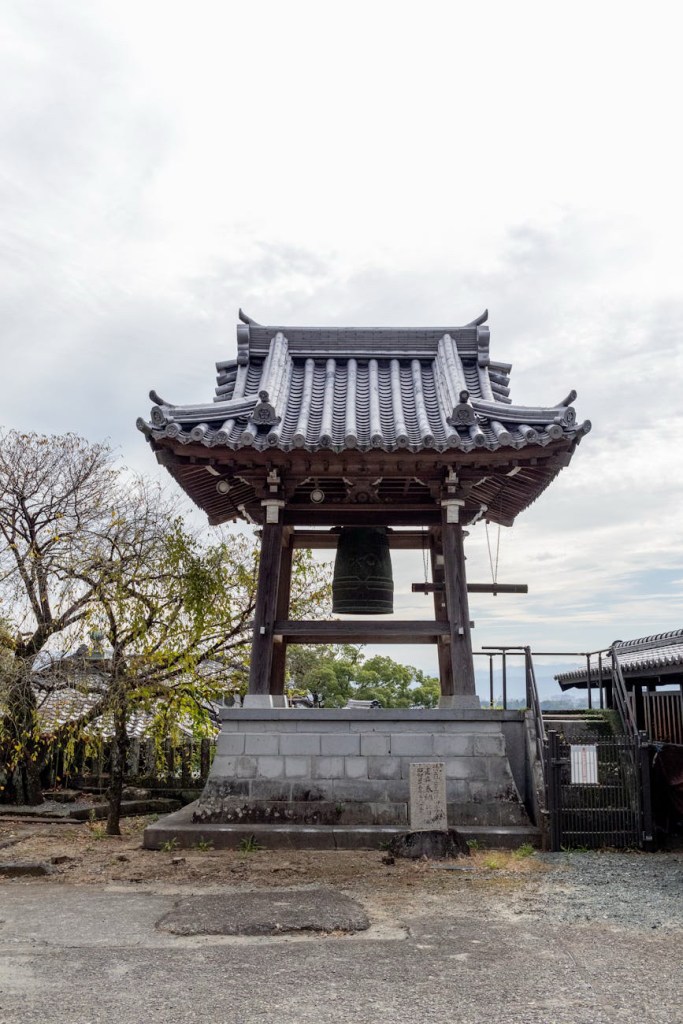
– Ringing of the temple bell: 108 bells are rung to remove all worldly desires.
②Cleaning: Preparation for the New Year
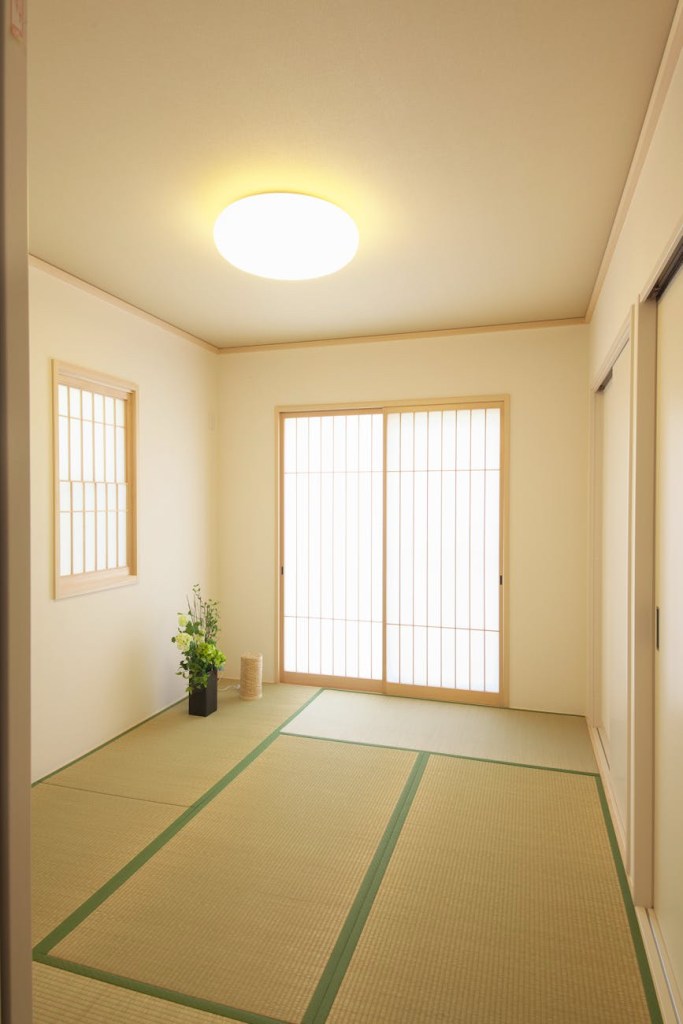
③Watching NHK Kohaku Uta Gassen

New Year’s Eve is a special day for Japanese people to reflect on the year and welcome the new year with hope.
Japanese people spend their time in this way. Of course, there are people who work, and each person has various ways of spending their time.

門松 門に松 と書きます。
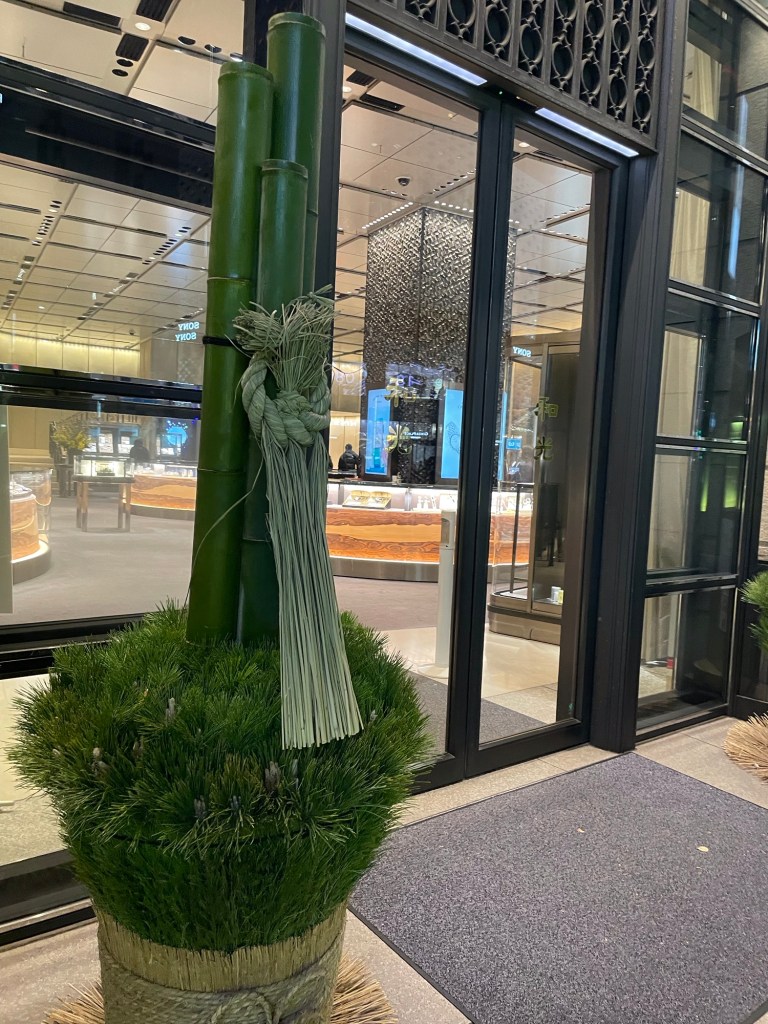
Kadomatsu is a decoration displayed at the end of the year to welcom the New Year,
believed to welcome the deity of the year.
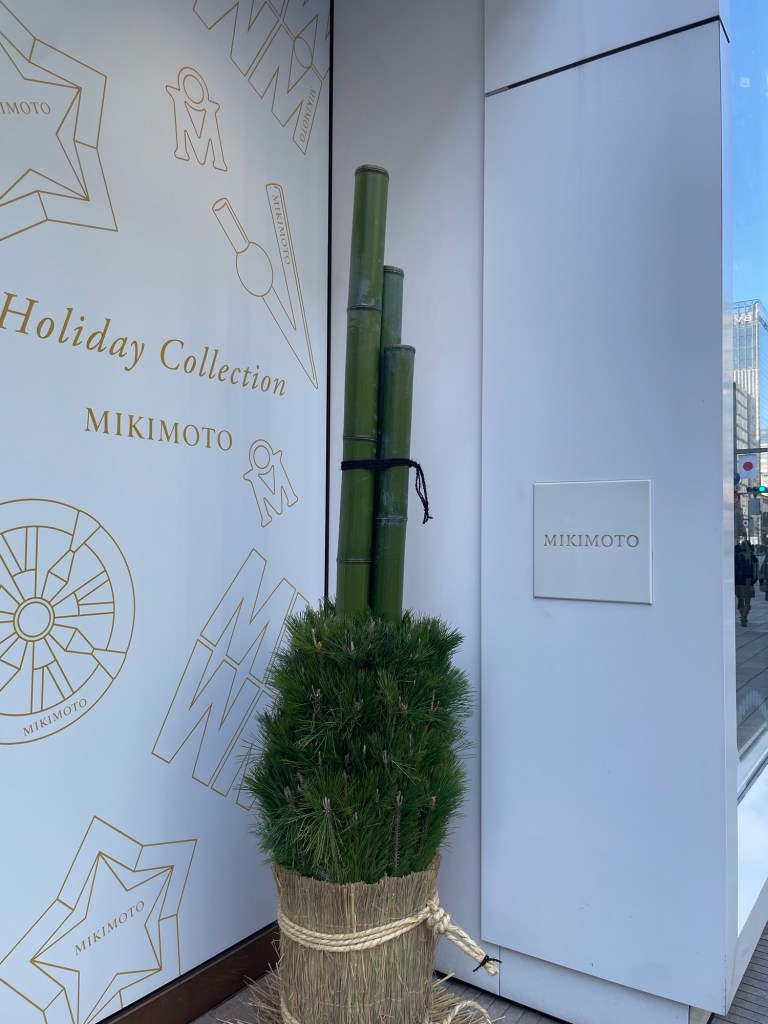
It is generally considered good to set it up from December 25th to 28th,
and it is avoided on the 29th as “kutamachi” and on the 31st as “ichiyakazari.”
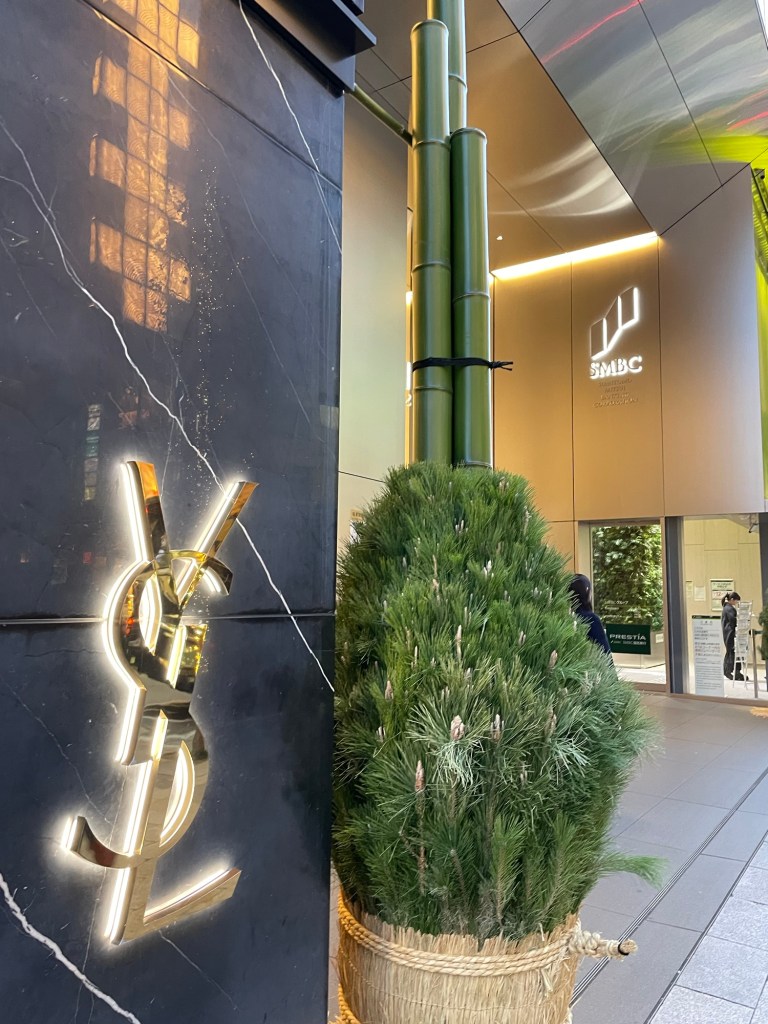
Kadomatsu is something to be placed at the entrance, and even a simple and modest one is acceptable depending on the circumstances of the region or household.
By the way, today, !
12/30!seems to be the last day it’s okay to put it up.
I’m going to hurry and put it up.
Removal is generally on January 7th after the end of “matsunouchi,” but it varies by region.
門松が並んでます
年末にお正月を迎える準備として飾るもの。
年神様を迎えるとされています。
設置には一般的に12月25日から28日までが良いとされています。
知らなかったです。だから早くから設置するんだ。早いなー!っていつも思ってました💦
29日は「苦待ち」、31日日は「一夜飾り」として避けられるそうです。
門松は玄関置くものですが、地域や家庭の事情に合わせて質素な略式のものでも問題ありません。ちなみに今日12/30はギリギリ大丈夫な日のようです。急いでつけようと思います。
片づける日は「松の内」が終了する1月7日が一般的です。
地域によってこれは変わるそうです。
今日のおすすめ日本の風習でした。
Continuing from last year, an environmentally friendly plastic skating rink was installed on Gyoko-dori Avenue, which connects Tokyo Station and the Imperial Palace.
Period:
Thursday, November 28 – Wednesday, December 25, 2024
Hours:
11:00 – 22:00 (last admission at 21:30)
Place:
Gyoko-dori Avenue
Fee: <Weekday Fee
Weekday fare
Adults 1,800 yen,
Students 1,500 yen,
4 years old to elementary school students 1,000 yen (tax included)
Weekend Fees
Adults 2,300 yen,
Students 1,700 yen,
1,200 yen for elementary school students from 4 years old (tax included)
Note: *Payment is by cashless payment only.
The fee includes the cost of rental shoes.

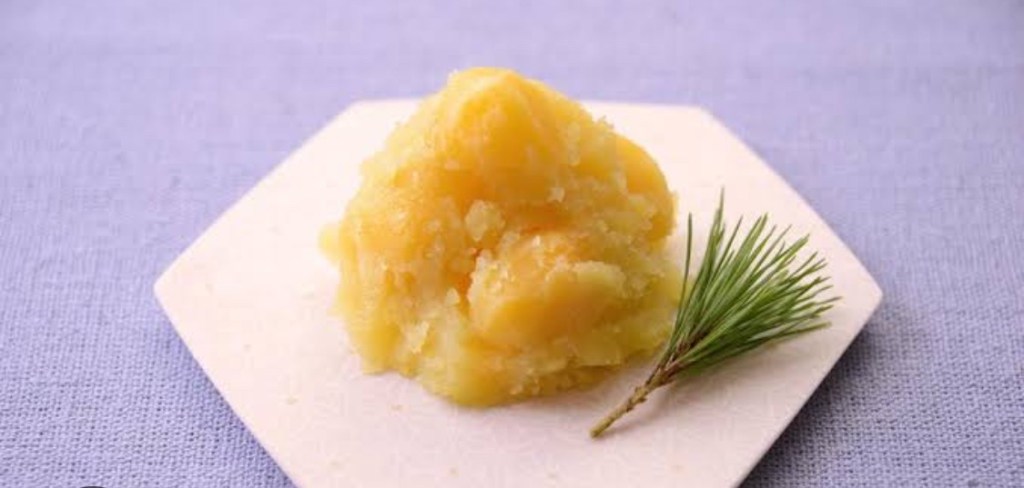
クチナシの実を使った栗きんとんは、鮮やかな黄金色がとってもきれいで、おせち料理の縁起物として親しまれています。
The origin of Kurikinton lies in the chestnut that the Japanese people have been eating since ancient times.
The history of chestnuts is very old, and it is recorded in the “Nihon Shoki” established in the Nara period (720) that the cultivation of chestnuts was encouraged by the Emperor.
At that time, chestnuts were mainly boiled or roasted, and were not considered as sweets, but later a process of “squeezing boiled chestnuts in a 茶巾Chakin was invented, giving rise to the prototype of the current 栗きんとんKurikinton.
The turning point in history came in the late Edo period. It was in Nakatsugawa (now Nakatsugawa City, Gifu Prefecture) that became the birthplace of Kurikinton.
At that time, Nakatsugawa, located along the 中山道 Nakasendo, one of the five major highways, was also one of Japan’s leading chestnut-producing areas. Taking advantage of this strength, many confectionery craftsmen in the area started making Kurikinton, and stores selling it were established one after another.
https://www.kikkoman.co.jp/homecook/washoku/061/
金運上昇☝️
商売繁盛☝️
黄金色で財をなす
豊かな一年を願い今年もつくってみます
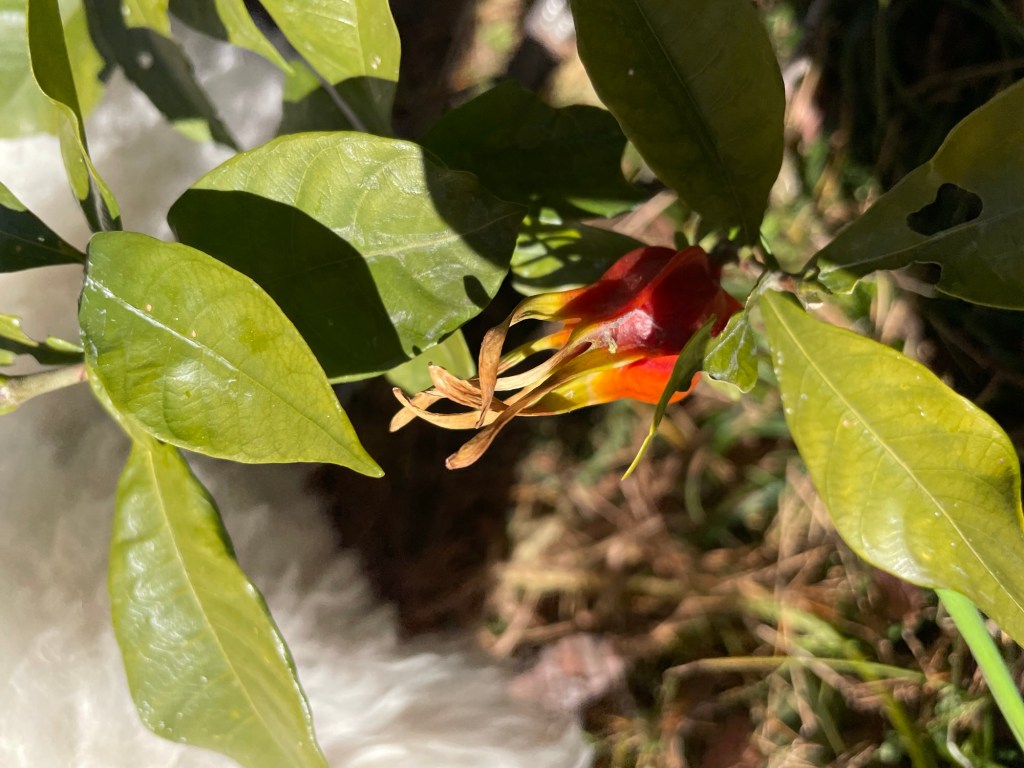
自家製のクチナシの実使って
こんなにきれいなクチナシの実。
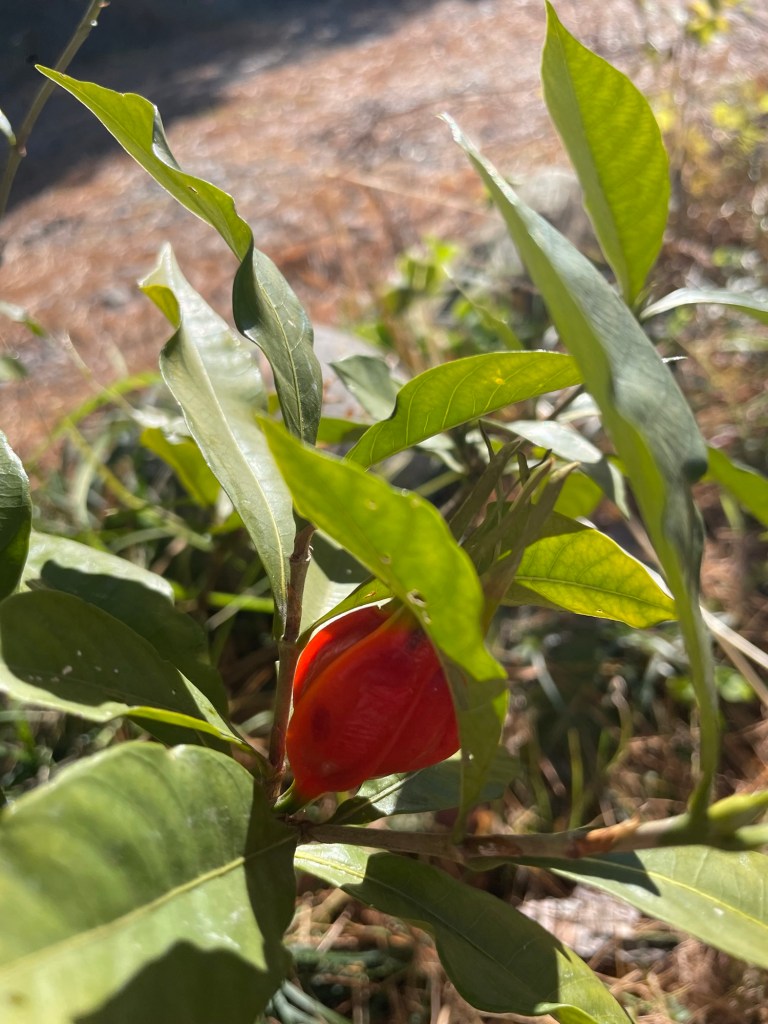
こんなに美しい可憐な白い花 December
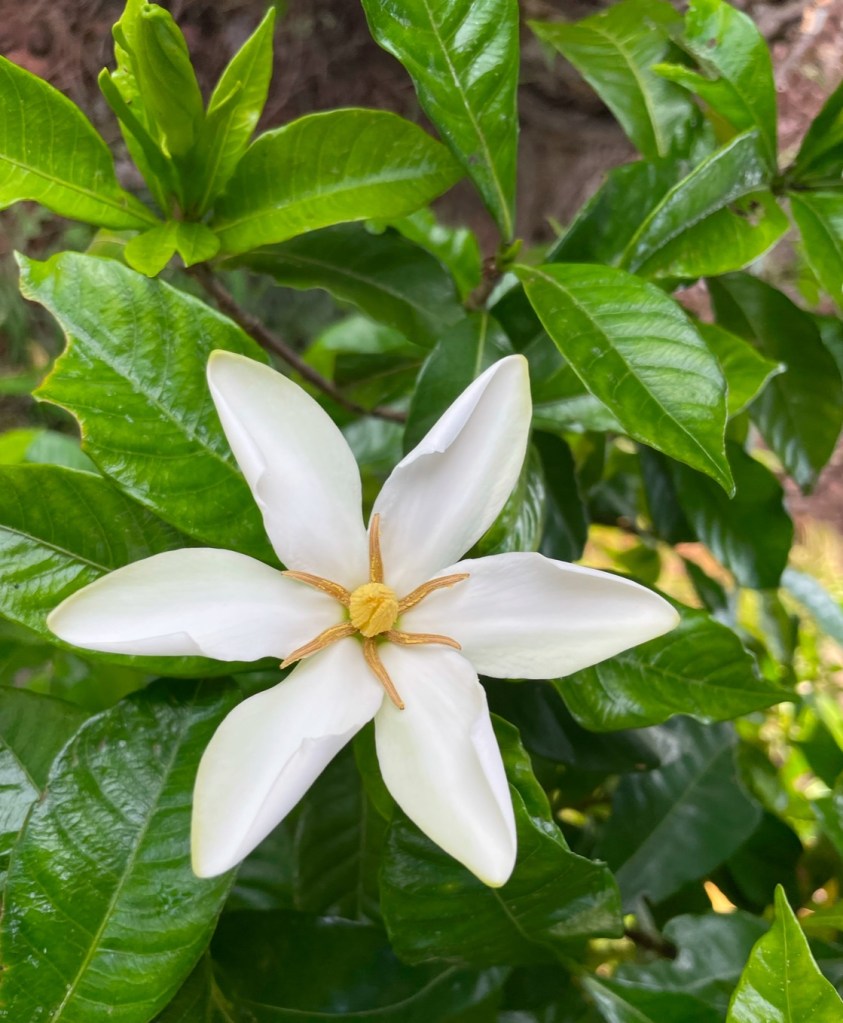
からこんな色の実ができるなんて 自然ってほんと不思議❣️
今日の庭からでした ではまた次回!
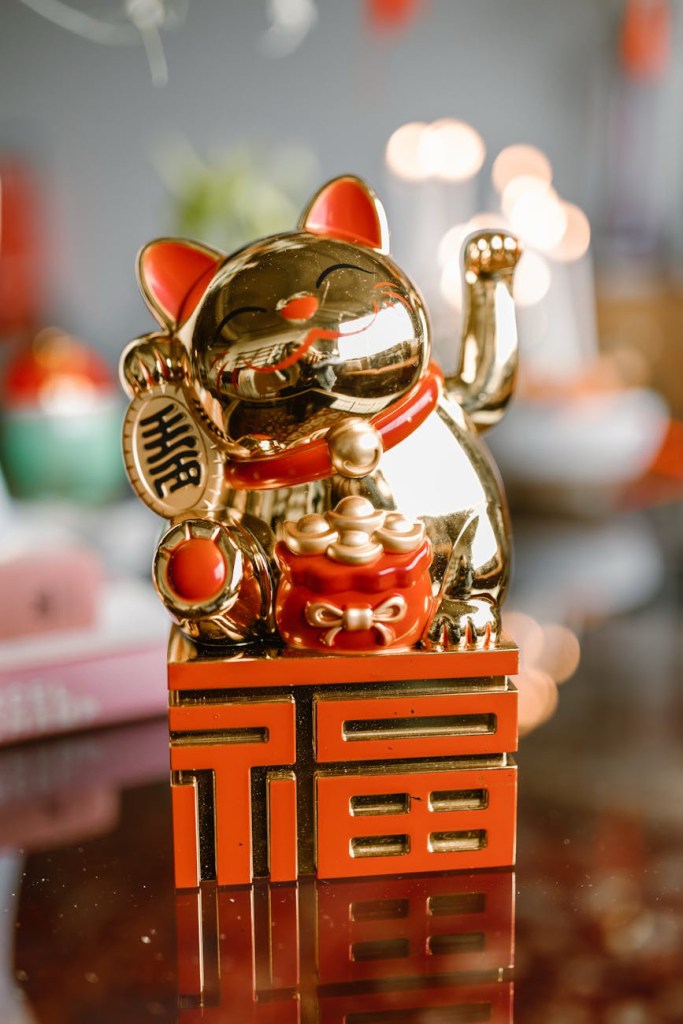
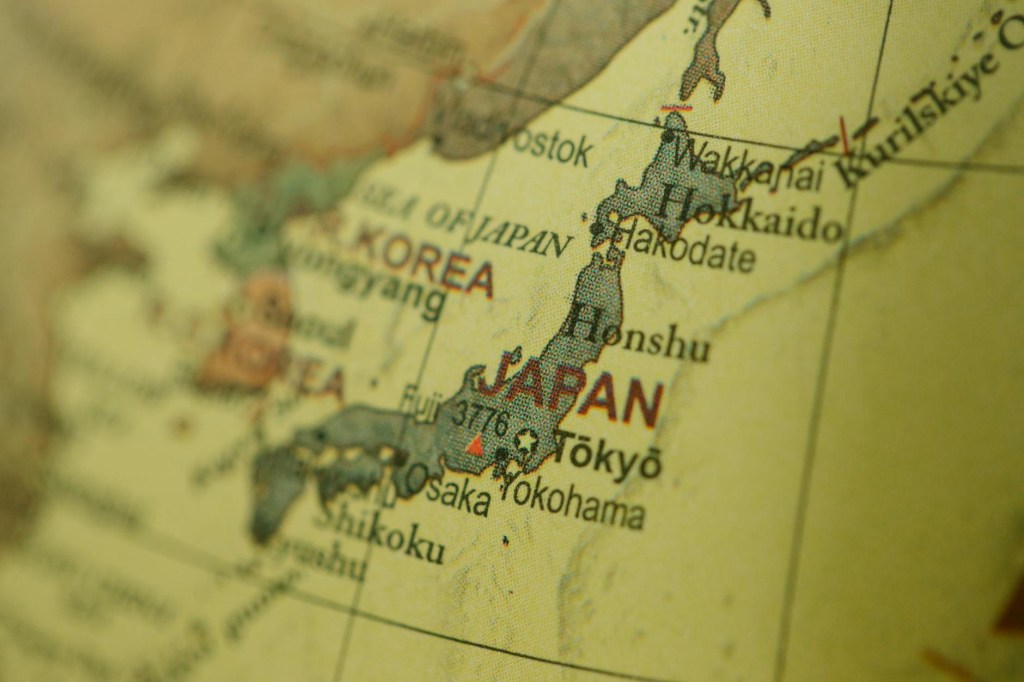
Those who want to enjoy Japan without overtourism
⭐️佐賀県 唐津 Saga-ken Karatu city
唐津市は、九州北西部の玄界灘に面し、日本3大松原の一つに数えられる「虹の松原」に代表される美しく豊かな自然に育まれた風光明媚(ふうこうめいび)なところです、一楽、二萩、三唐津と称される「唐津焼」が有名
Karatsu City faces the Sea of Genkai in the northwestern part of Kyushu, and is a scenic place nurtured by the beautiful and rich nature represented by “Niji-no-matsubara,” which is a national special scenic beauty and one of the three great pine groves in Japan.
https://www.calali-karatsu.com/%E8%A4%87%E8%A3%BD-rental
https://www.calali-karatsu.com/cafe
こんなカフェがNYTで紹介されていました
⭐️宮崎県 高千穂 Miyazaki-ken Takachiho city
The famous Takachiho Gorge
高千穂と言えば高千穂峡が有名
そして日本神話ゆかりの地
天岩戸、天安河原、くしふるの峰など神話の舞台と伝えられる地と神々を祀る神社が数多く存在し
また、古事記、日本書紀に描かれている物語は、高天原神話、出雲神話、日向神話の3つの物語で構成されており、高千穂は高天原神話・日向神話の舞台となっています。
Takachiho is a place associated with Japanese mythology.
There are many shrines enshrining deities and places that are said to be the setting of mythology, such as Ama-no-Iwato, Ama-no-Kawara, and Kushifuru-no-Mine.
The stories described in the Kojiki and Nihonshoki are composed of three myths: the Takamagahara myth, the Izumo myth, and the Hyuga myth.
https://www.japan-guide.com/e/e8052.html
⭐️福岡県 糸島 Fukuoka-ken Itosima city
福岡から糸島市までは電車で1時間弱 約人口10万人 半島西部の広々とした海岸、山、田んぼです。九州の素朴な食材がとてもおいしいです
It takes less than an hour by train from Fukuoka to Itoshima City.About 100,000 population. It is a spacious coast, mountains, and rice fields in the western part of the peninsula.The simple Kyushu food is very delicious!
https://www.fukuoka-now.com/en/itoshima-kakigoya-oyster-hut-guide/
英国の情報誌『MONOCLE』が2021年に発表した、住みやすい小さな街ランキング「Bright lights,small city」で世界3位に入りました!
Itoshima City, Fukuoka Prefecture, ranked third in the world in “Bright lights, small city,” a ranking of livable small cities published by the British information magazine “MONOCLE” in 2021.
オーバーツーリズムを避けて楽しむ
本日のSunsun kawaiijapanでした!ではまた次回!
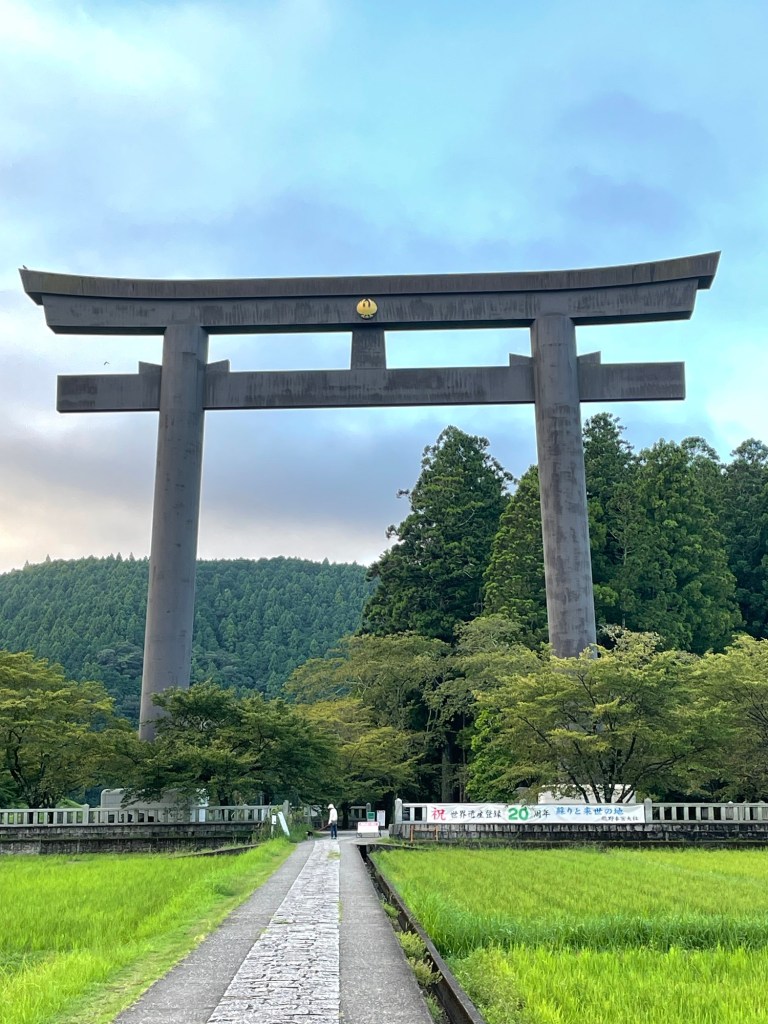
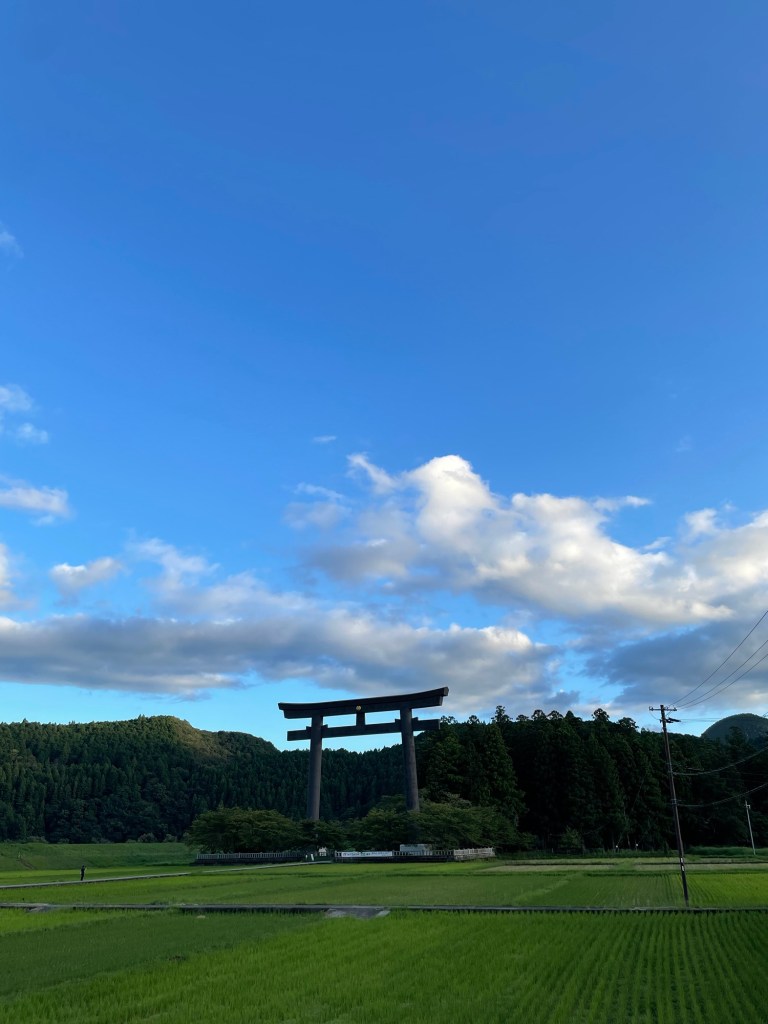
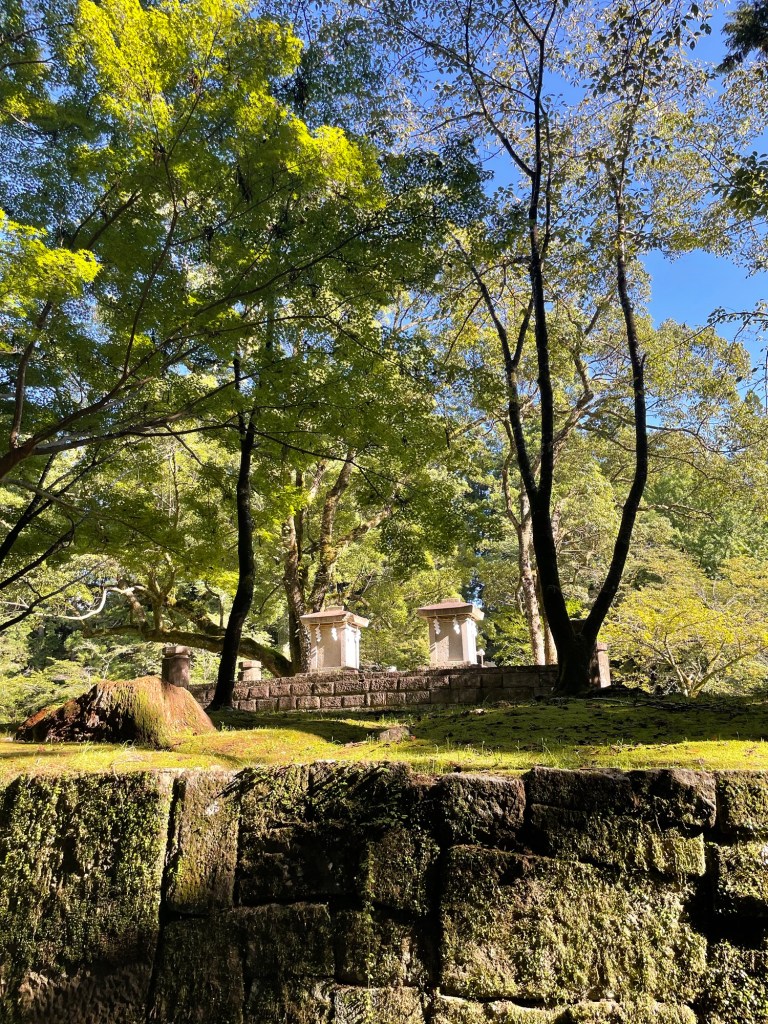
ここに行きたかった!Oyunohara is the former shrine site of Kumano Hongu Taisha in Tanabe City, Wakayama Prefecture, located at the confluence of the Kumano, Otonashi, and Iwata Rivers.
Founded in 33 B.C., ❗️
many of the shrine buildings were washed away in a flood in 1889 and moved to their current location.
Oyunohara is home to Japan’s tallest Otorii gate (34 meters high) and is also known as a cherry blossom viewing spot. Tourists can visit it from Kumano Hongu Taisha Shrine in about 10 minutes on foot
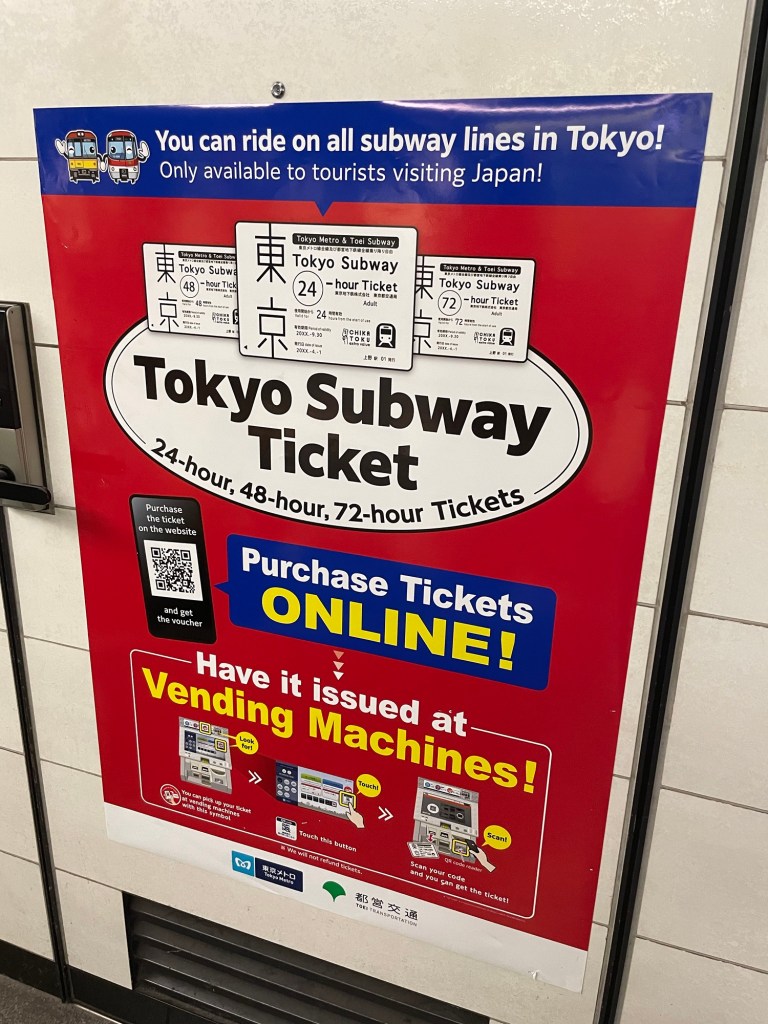
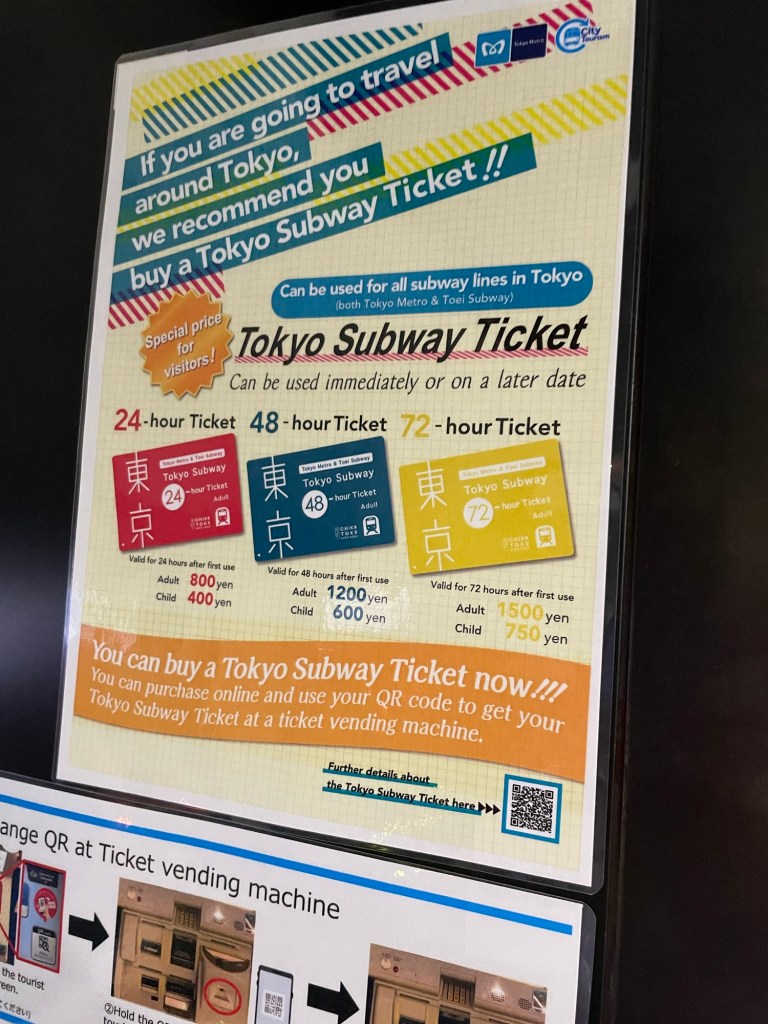
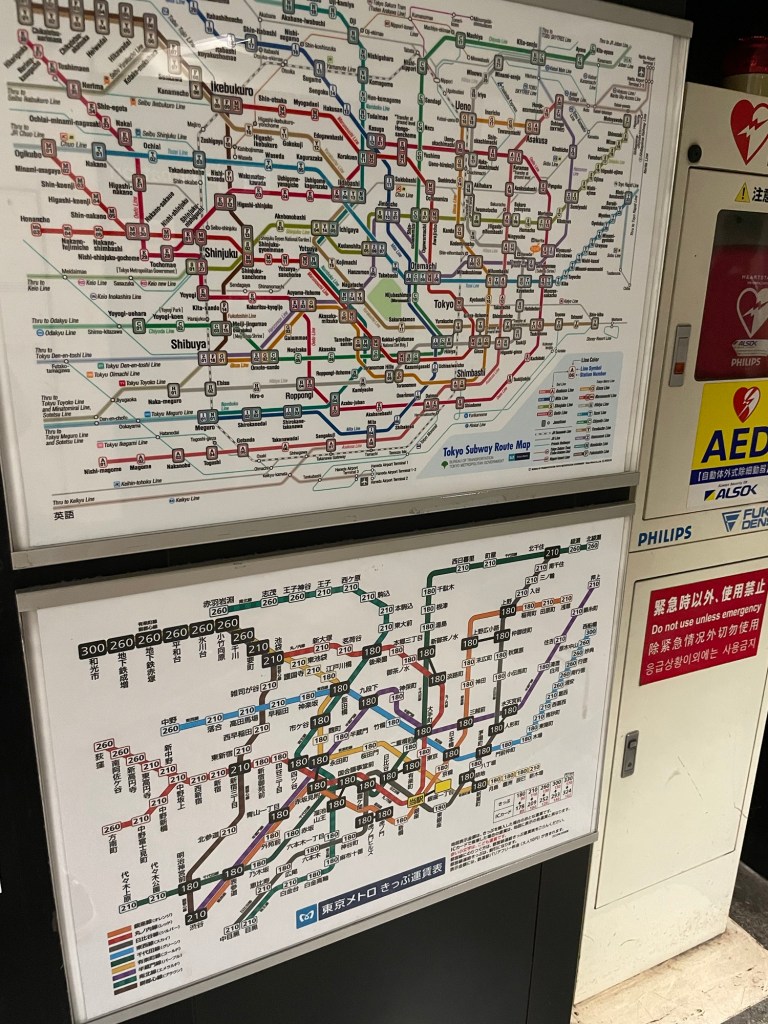
This is convenient for traveling around Tokyo!
But only subways can be used.
1-day, 2-day and 3-day tickets are available
It would be more convenient to buy in advance.
Try it!
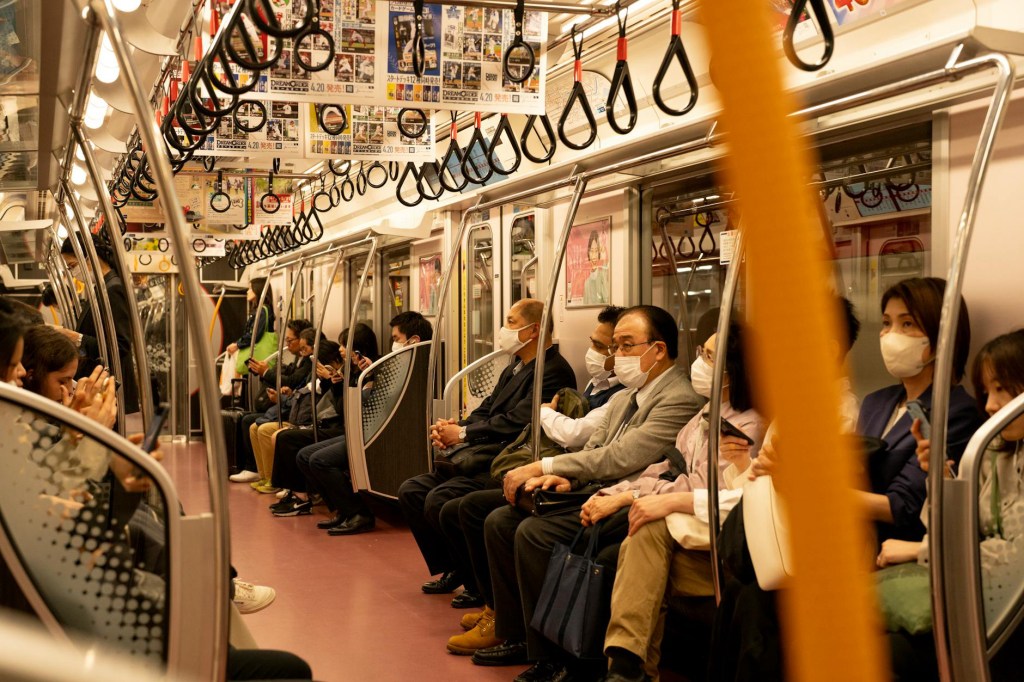
https://www.tokyometro.jp/tst/en/ticket-overseas-purchase.html
 SUNSUN kawaii Japon🇯🇵
You must be logged in to post a comment.