I am writing about how to spend New Year’s Eve on December 31st for those who have come from overseas.
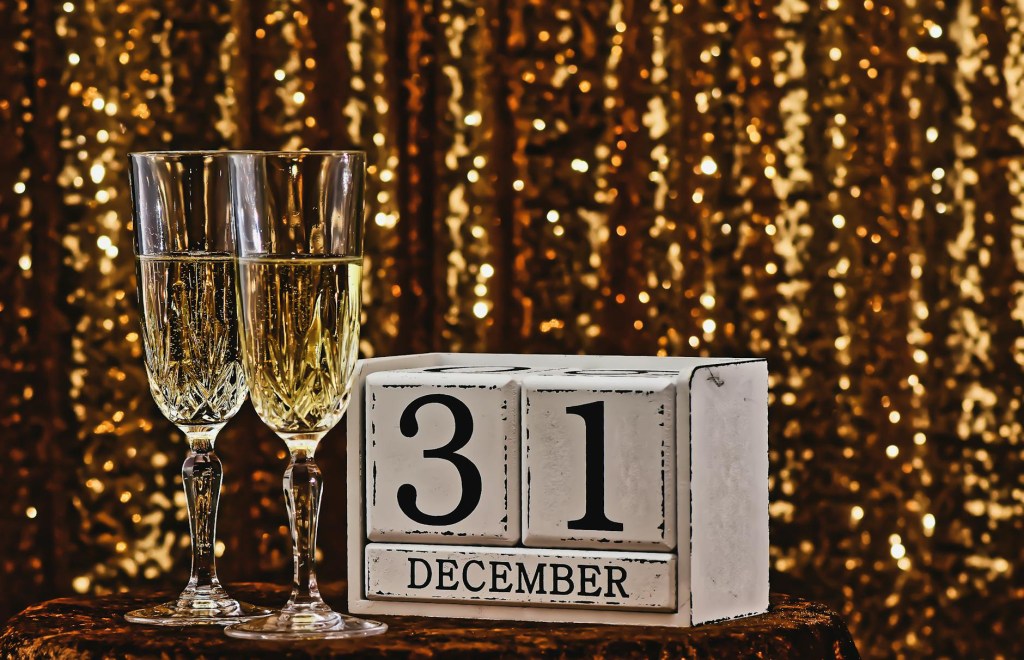
Meaning and Origin of New Year’s Eve.
New Year’s Eve has been a tradition since the 平安時代Heian period (794-1185), and began as a day of preparation for welcoming the 歳神様”Toshigami-sama,” or God of the Year.
It comes from “Misoka,” which means the last day of the month in the lunar calendar, and represents the end of the year.
Major New Year’s Eve Traditions
Japanese people hold the following traditional events on New Year’s Eve:
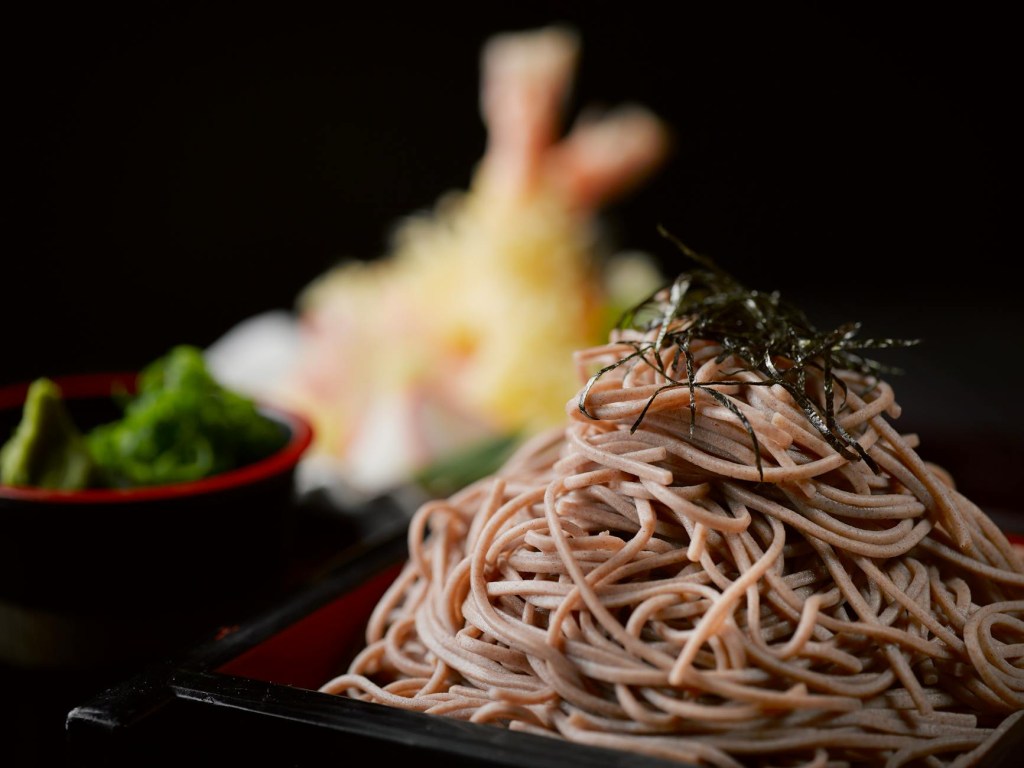
①年越し蕎麦 Soba
New Year’s Eve Soba: to break the hardships of the year and wish for a long life
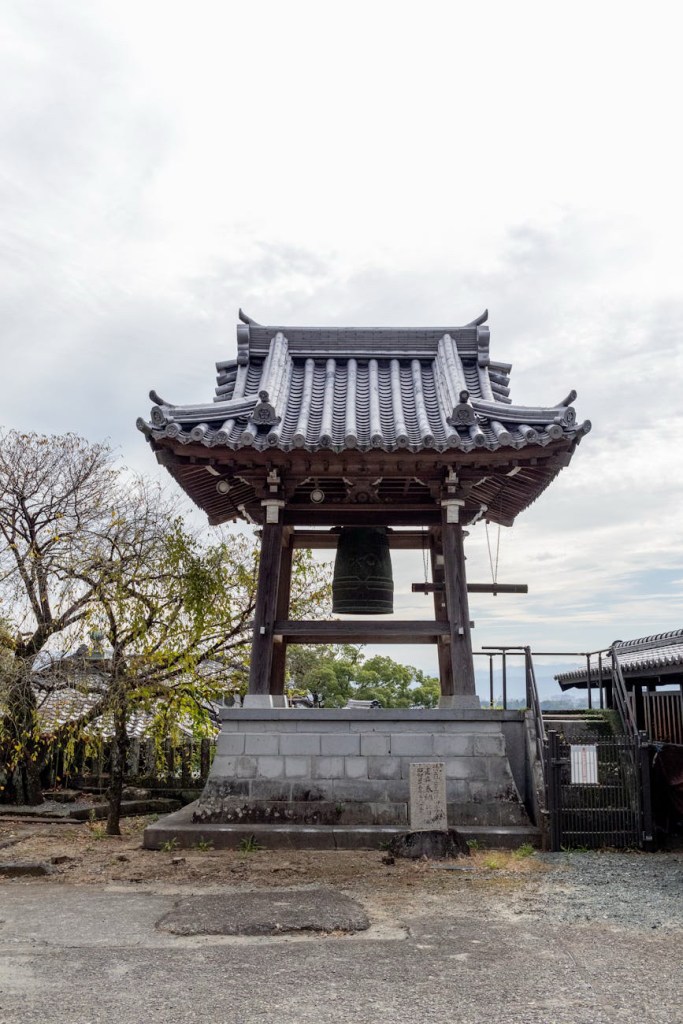
– Ringing of the temple bell: 108 bells are rung to remove all worldly desires.
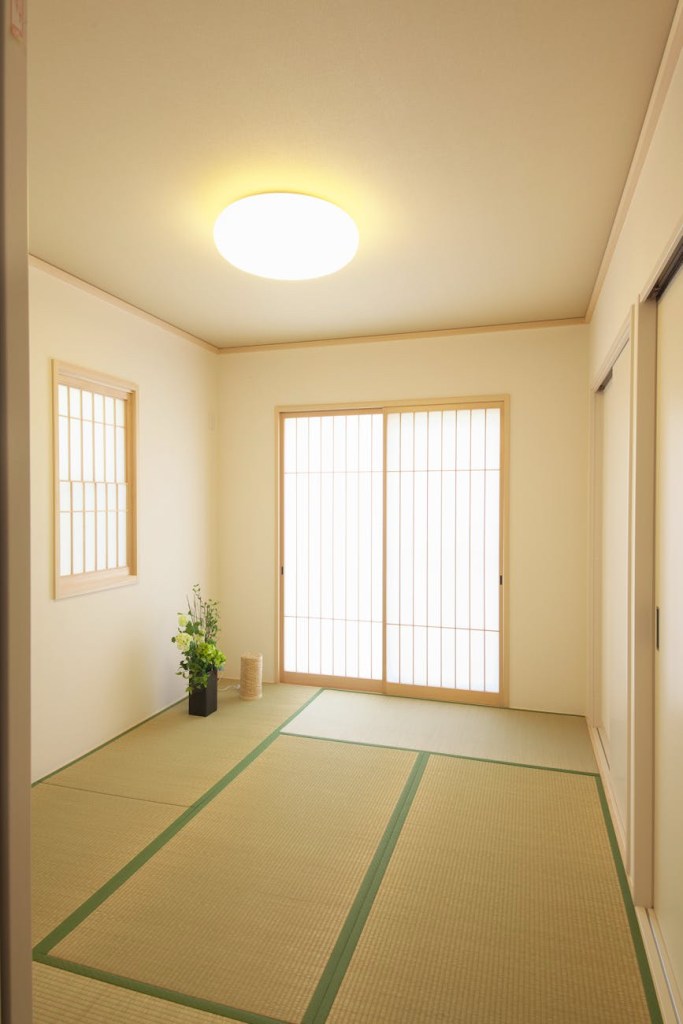
②Cleaning: Preparation for the New Year
③Watching NHK Kohaku Uta Gassen

New Year’s Eve is a special day for Japanese people to reflect on the year and welcome the new year with hope.
Japanese people spend their time in this way. Of course, there are people who work, and each person has various ways of spending their time.

 SUNSUN kawaii Japon🇯🇵
You must be logged in to post a comment.