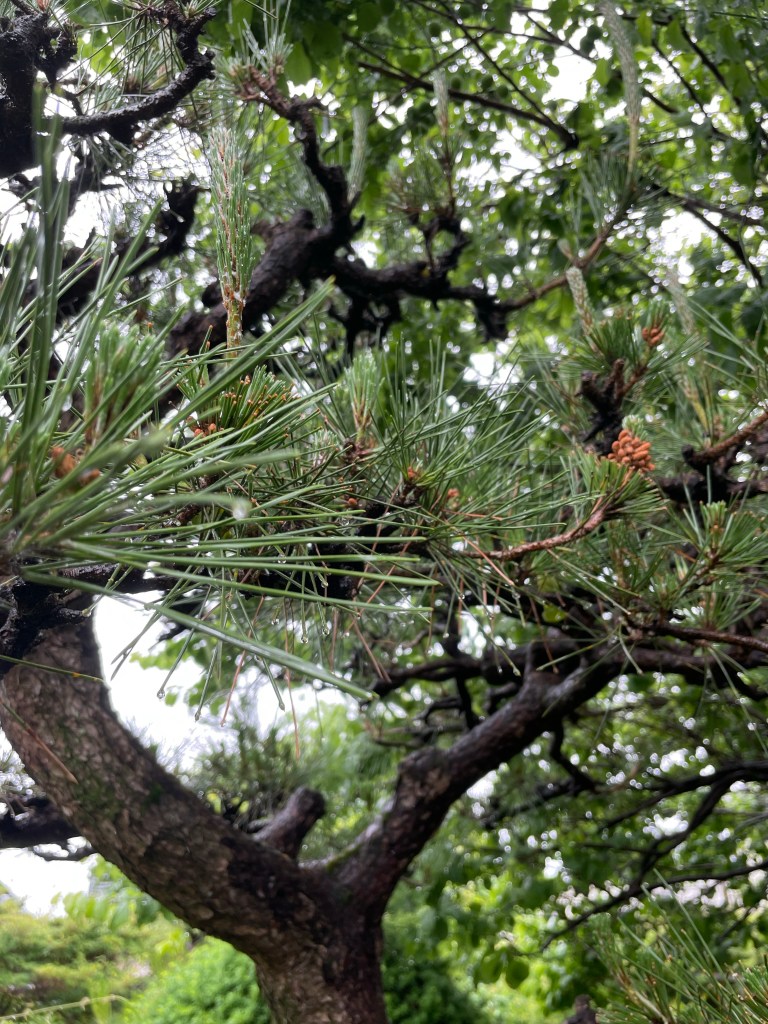
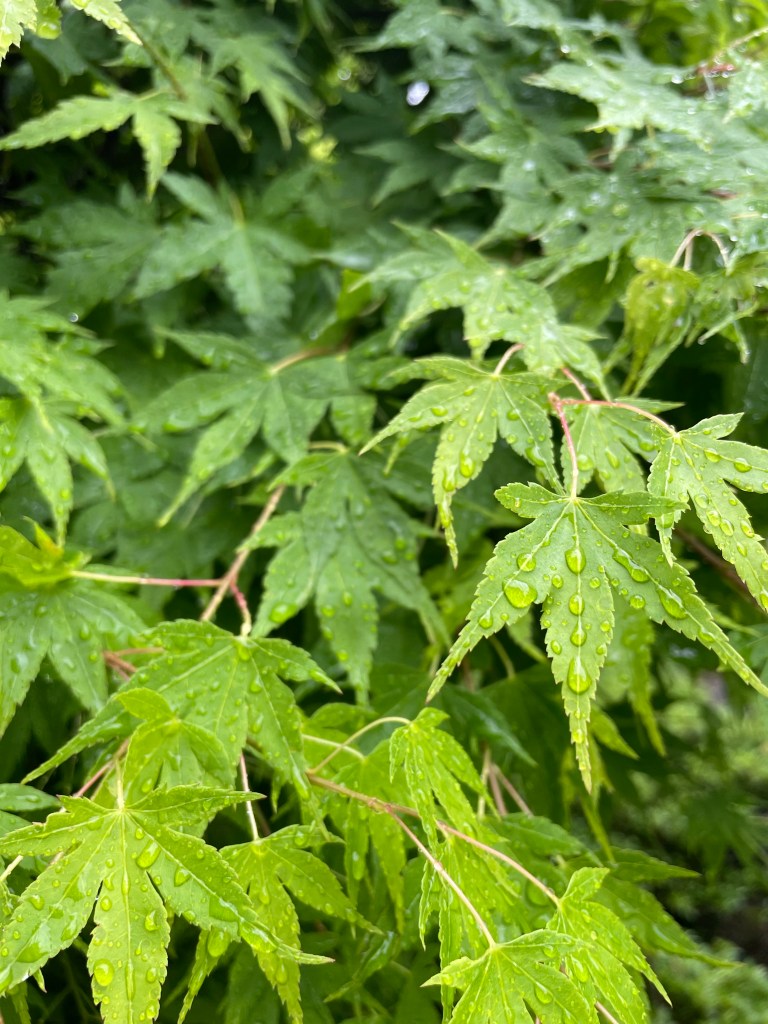
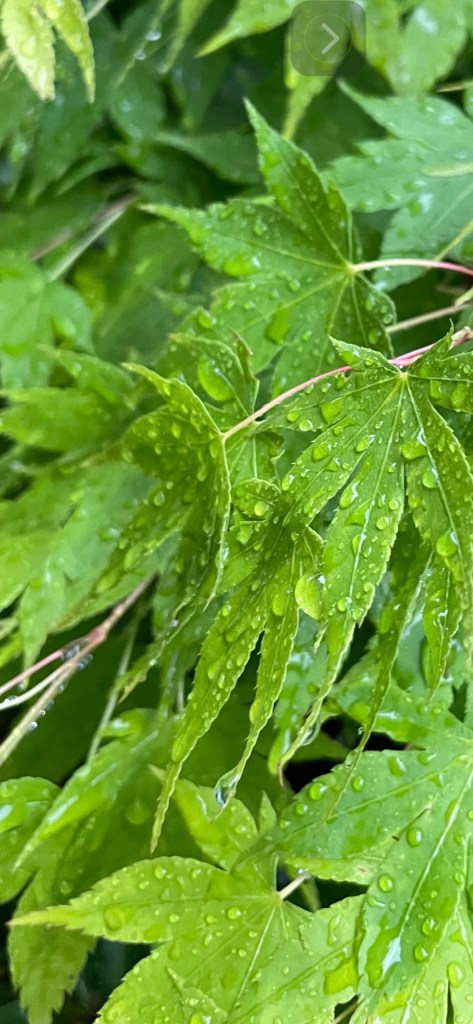
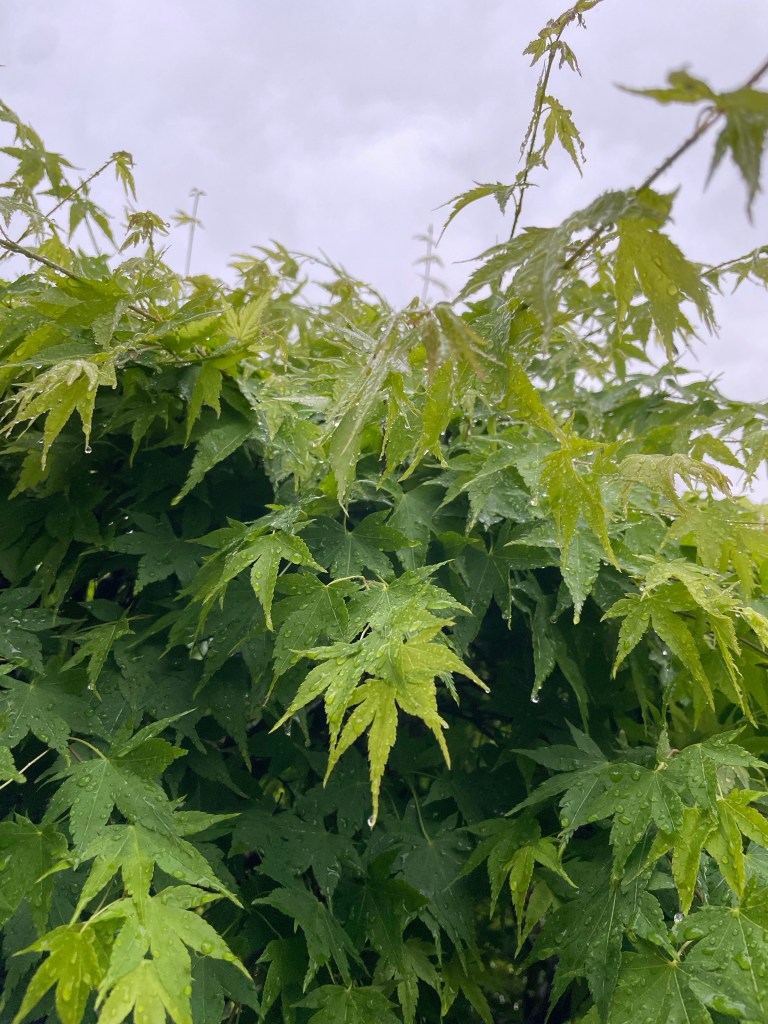
もう雨の季節かなぁ
Rainy season. Already⁇
雨音が心地よい
シトシト ピッちゃん
雨音を楽しもう
自然に 包まれた音の中で
ゆっくり過ごす
もう雨の季節かなぁ
Rainy season. Already⁇
雨音が心地よい
シトシト ピッちゃん
雨音を楽しもう
自然に 包まれた音の中で
ゆっくり過ごす
山吹の色って
きれい
黄色でもなく山吹色
万葉集 昔の人も
この花 愛でたんだ
素敵なつながり
昔も今も
ながれている
同じ心
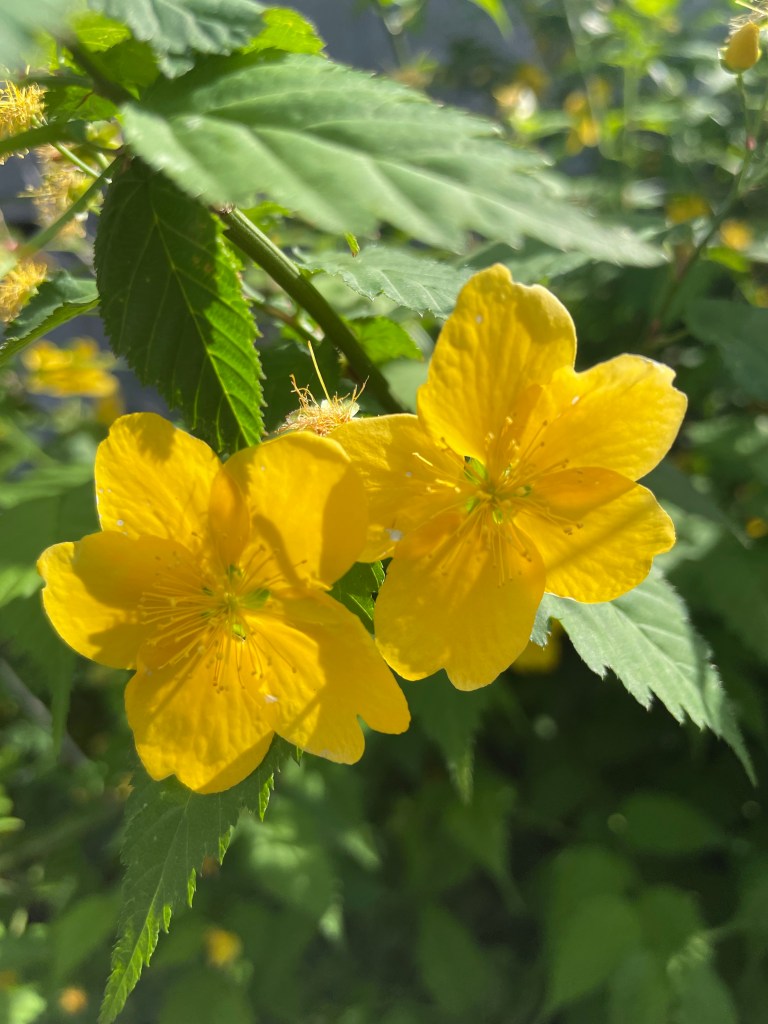
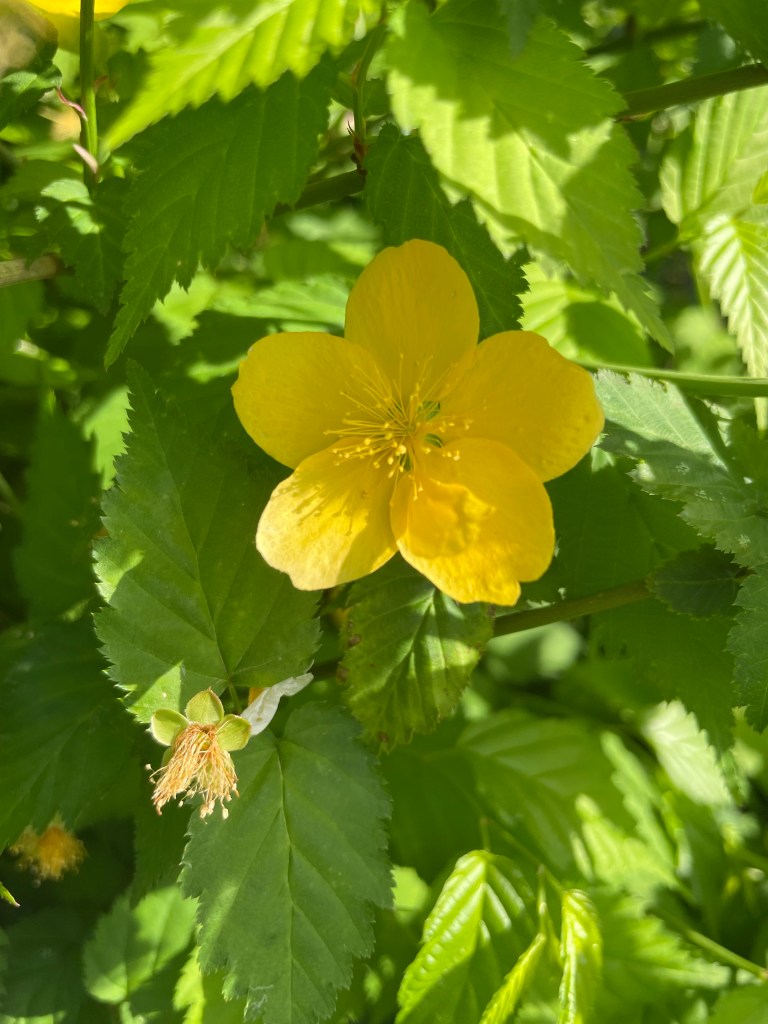
Yamabuki, with its bright yellow flowers, is the origin of the word “yama-buki” (meaning “mountain-buki color”). It is said to have been cultivated in Japan since the Manyoshu period. Legend has it that a gold coin dropped in a valley turned into yamabuki flowers around a stream.
花の後ろ
ジャジャーン
実が隠れてる
うーうん いい香り
りんご 白い花 柑橘系さわやかさも
自然ってすごいな〜
ひっそりと 行われる
地球はまわっている
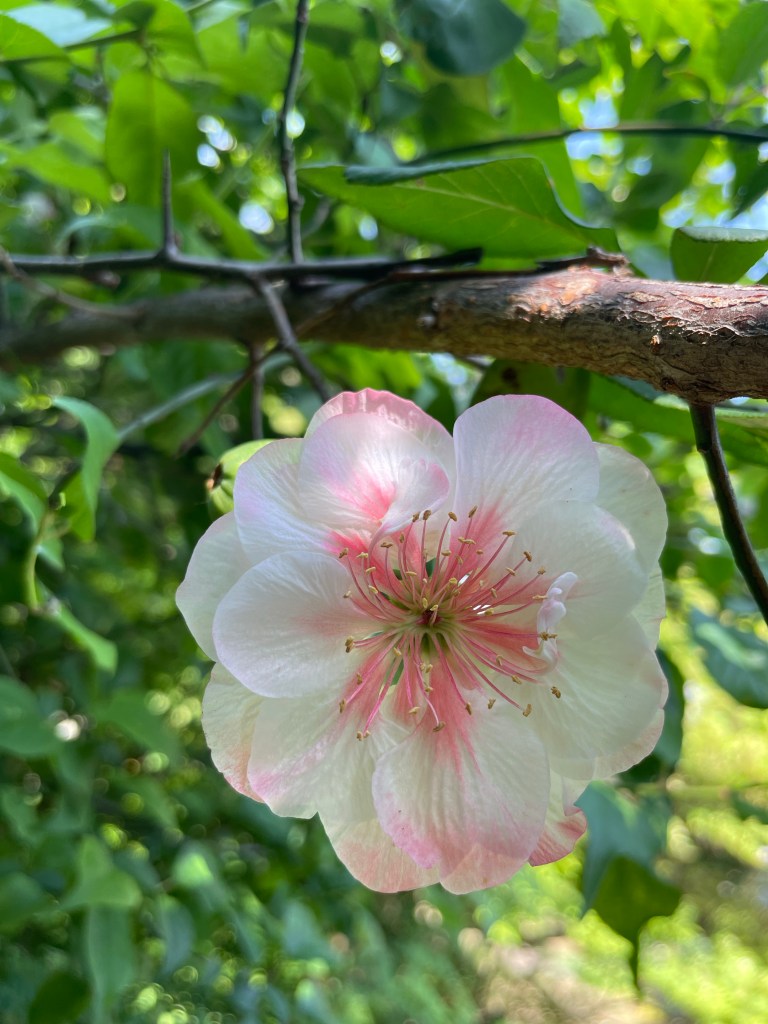
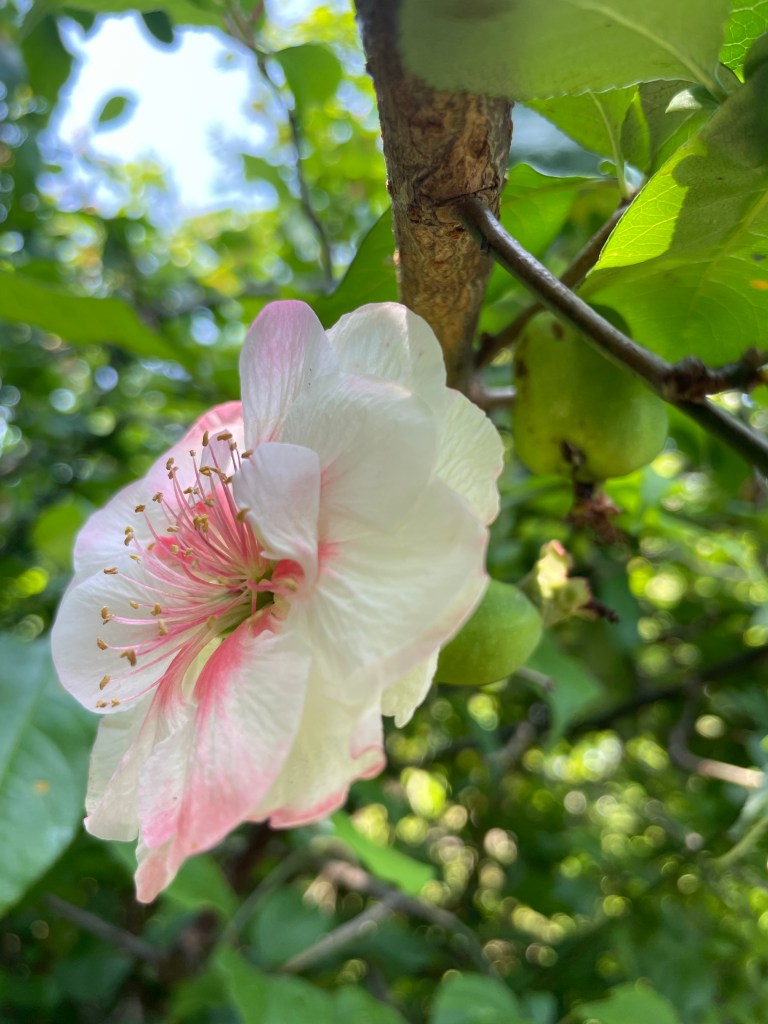
Chaenomeles japonica
Fruits behind the flowers.
smells so good!
Grandpa says they’re not edible.
It smells of apple, pear and citrus.
成田山新勝寺
成田空港からすぐ
乗継時間があったら 寄ってみて
パワースポットです
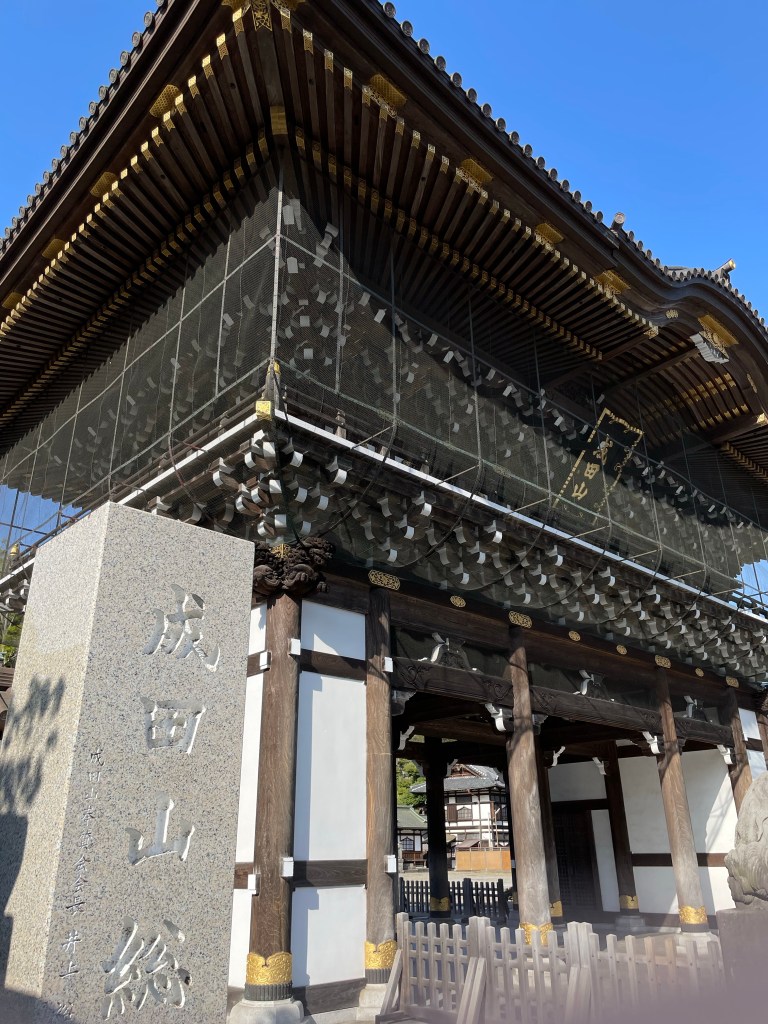
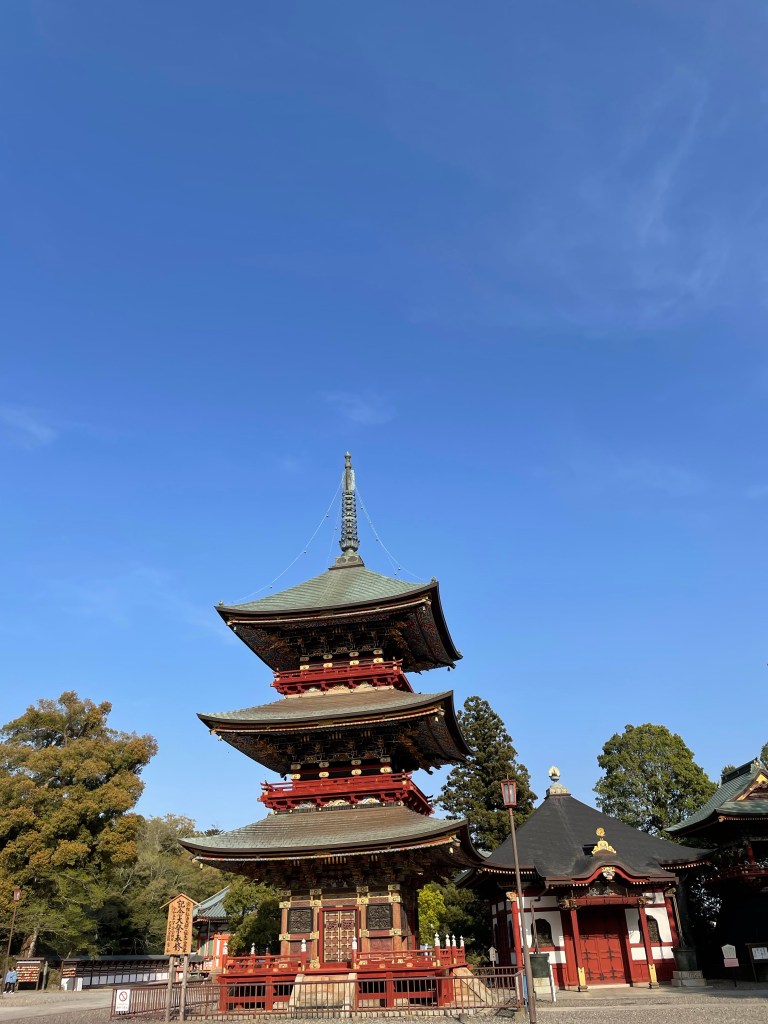
Naritasan Shinsho-ji Temple has a history of more than 1,080 years, and is one of the leading temples in the country where more than 10 million visitors visit annually.
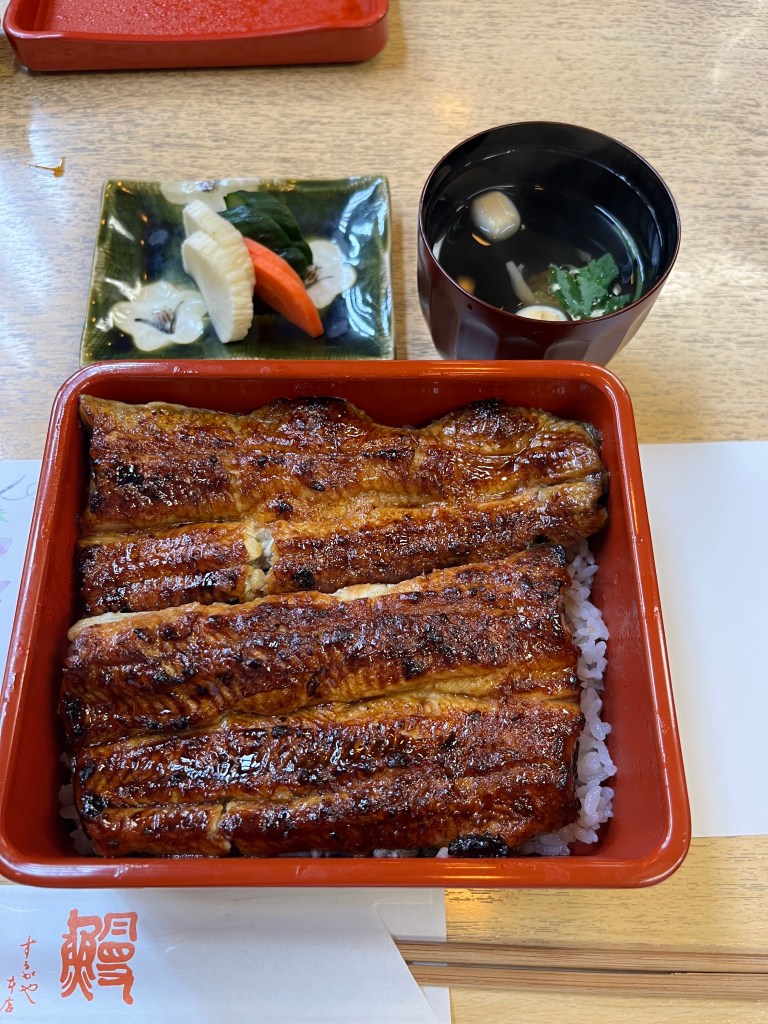
Why is Naritasan an eel?
うなぎがとっても有名
ランチを成田空港で食べるなら
ここまでくるのもオススメ
美味しい鰻 食べて
海外へ それか
帰ってきた時
やっぱり美味しい
贅沢なひととき
https://www.surugaya-unagi.net/food
Narita, where the Tone River and Inbanuma are located, is rich in water resources, and river fish have been eaten well for a long time. The eel caught in Inbanuma is one of them. In the Edo period, Narita pilgrimage and Kabuki appreciation to visit Naritasan Shinsho-ji Temple spread as a vacation, and eel dishes came to be served to entertain worshippers.

 SUNSUN kawaii Japon🇯🇵
You must be logged in to post a comment.