いつ行っても京都って
どこを撮っても絵になる
歴史を思い浮かべながら
風を感じながら
河原町を歩く
鴨川
橋を渡る 美しい景色
人が行き交う
旅
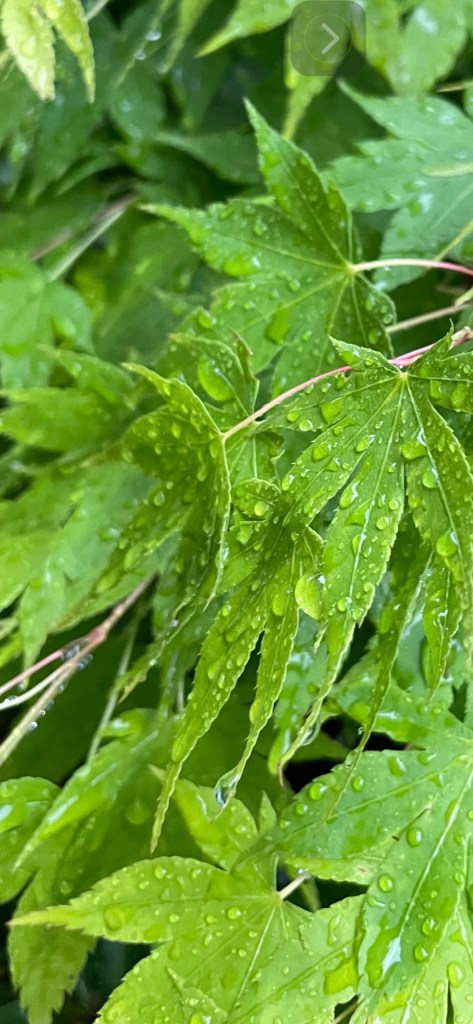
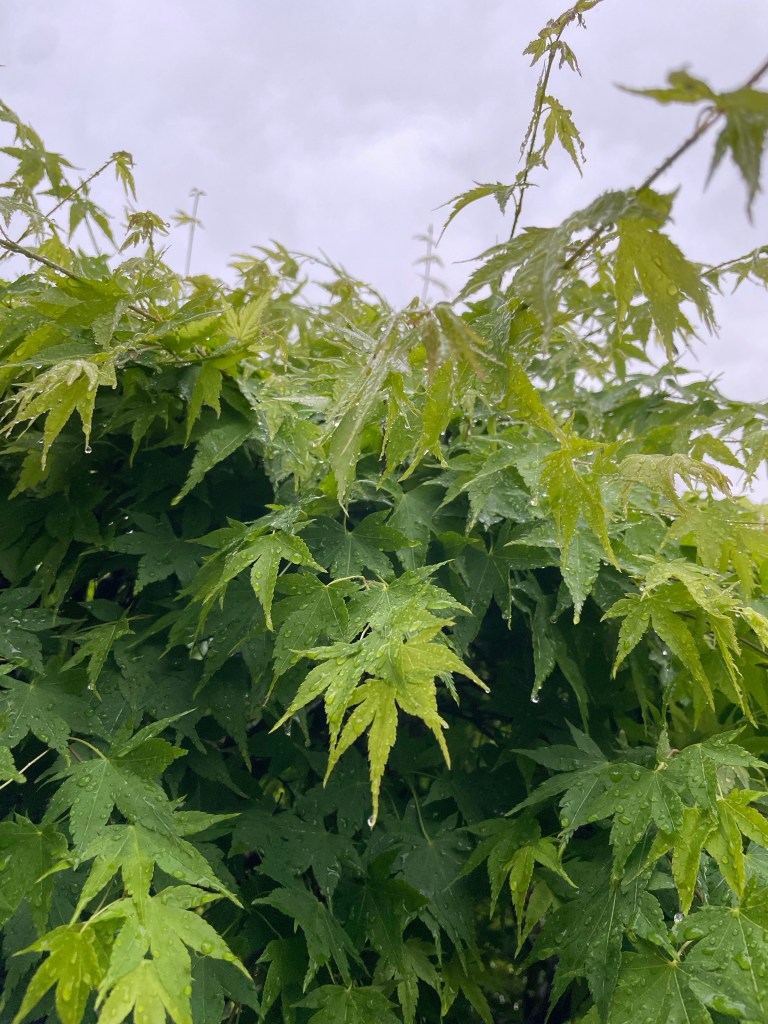
もう雨の季節かなぁ
Rainy season. Already⁇
雨音が心地よい
シトシト ピッちゃん
雨音を楽しもう
自然に 包まれた音の中で
ゆっくり過ごす
山吹の色って
きれい
黄色でもなく山吹色
万葉集 昔の人も
この花 愛でたんだ
素敵なつながり
昔も今も
ながれている
同じ心
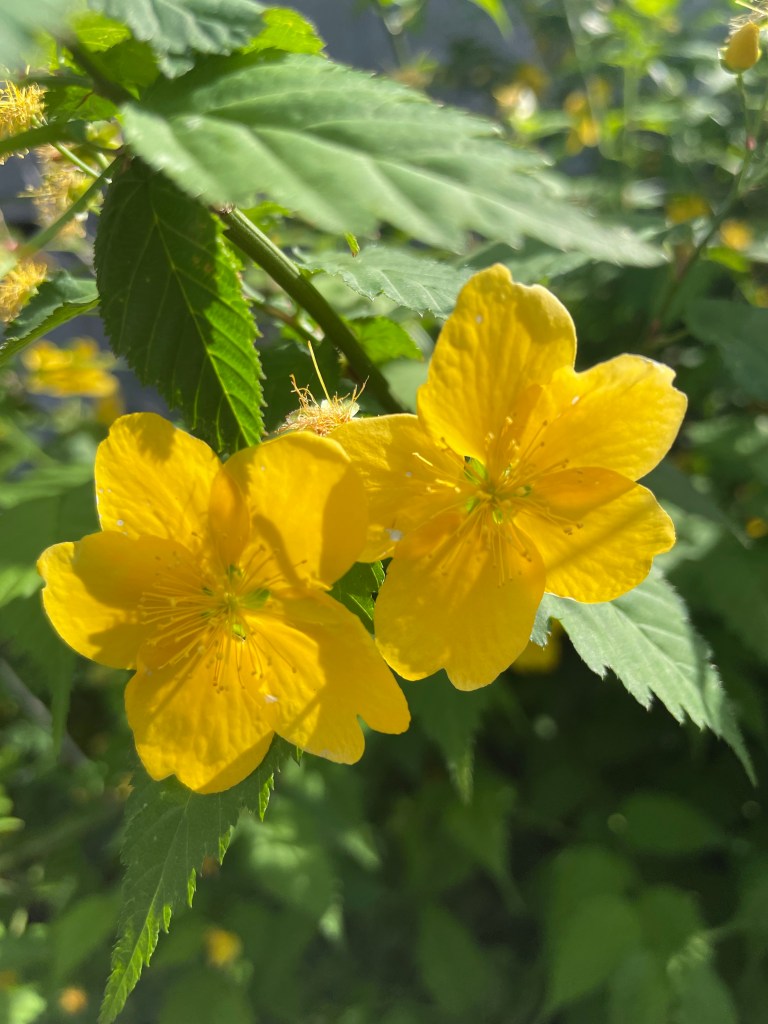
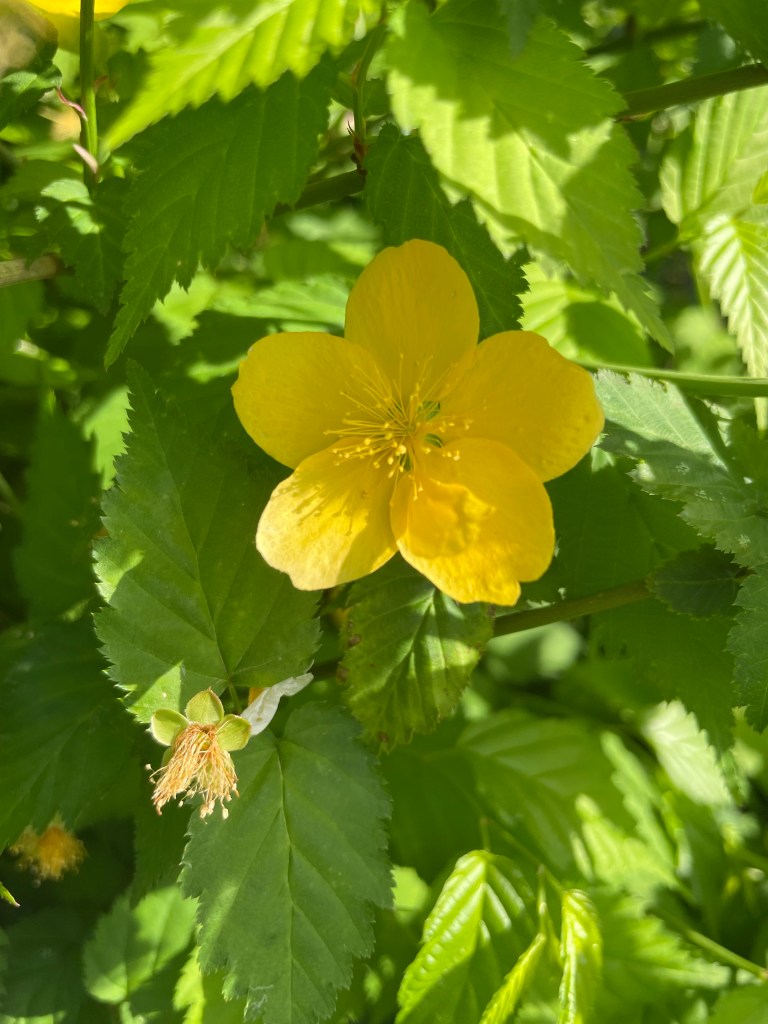
Yamabuki, with its bright yellow flowers, is the origin of the word “yama-buki” (meaning “mountain-buki color”). It is said to have been cultivated in Japan since the Manyoshu period. Legend has it that a gold coin dropped in a valley turned into yamabuki flowers around a stream.
買い物の帰り みつけた
赤と白がかわいい花
小さくて かわいい
公園に咲いてた
花言葉
長生き 知恵
なんだって
Salvia microphylla
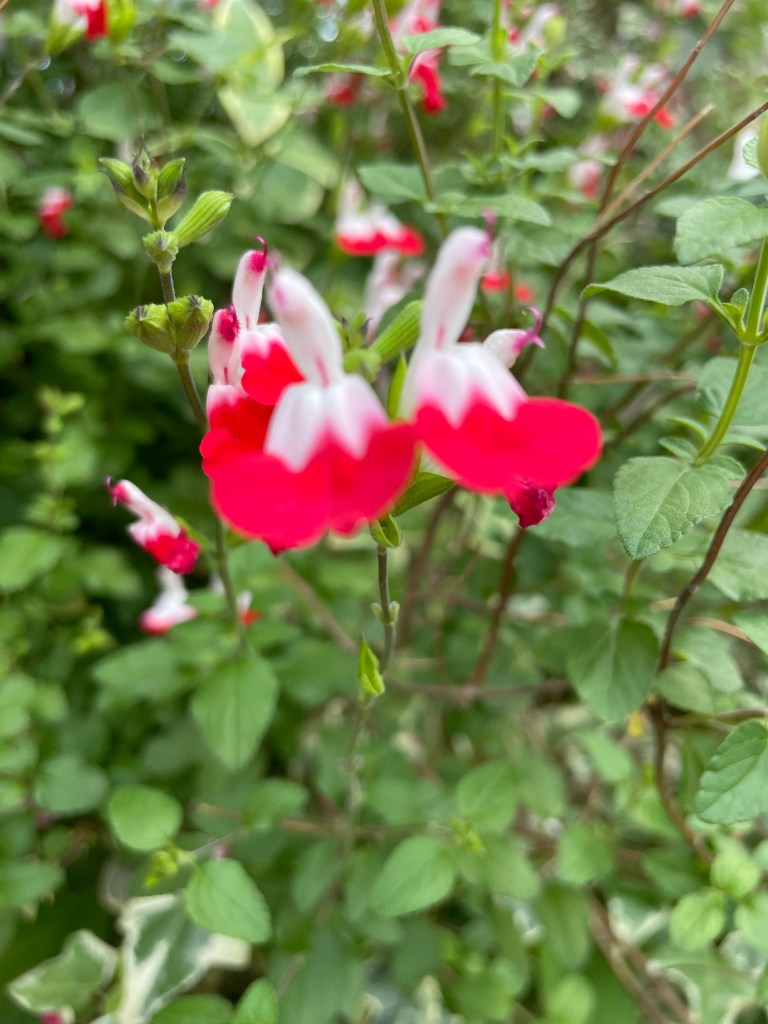
Origin of the name
The name comes from the sweet, cherry-like aroma of the leaves when they are rubbed. Salvia, the genus name, is also derived from the Latin words “salvare” (cure) and “salveo” (health), referring to the fact that it is a member of the sage family, which is popular as a medicinal herb. The scientific name microphylla means “of small leaves.
flower symbolism
Immortality, long life, wisdom
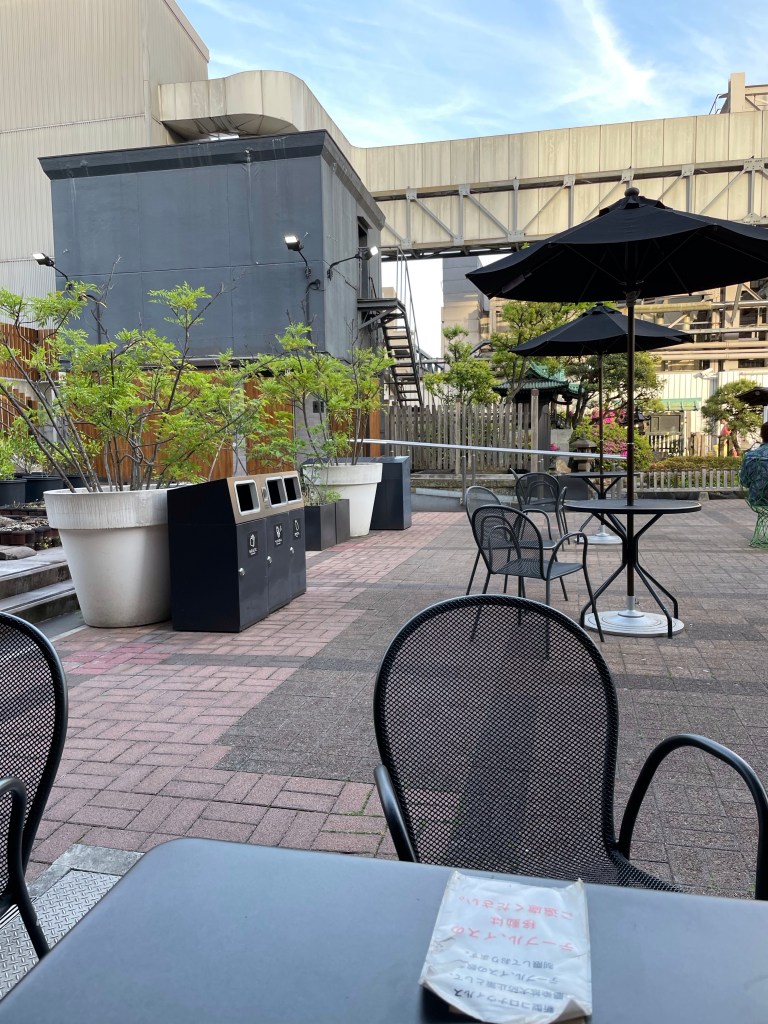
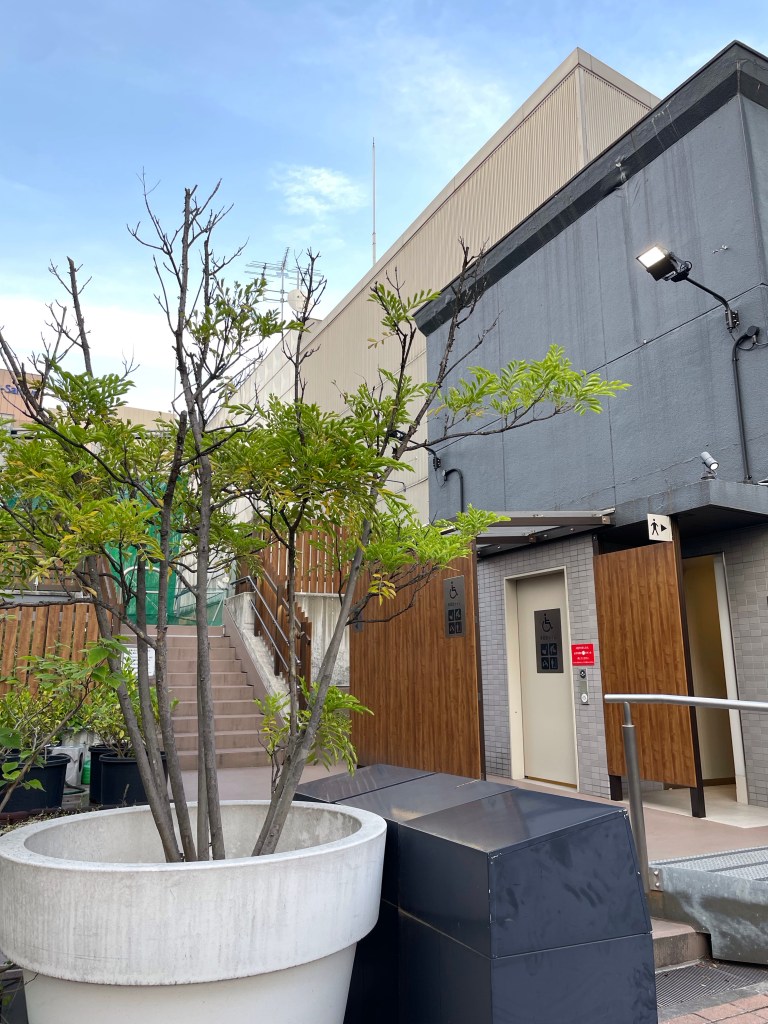
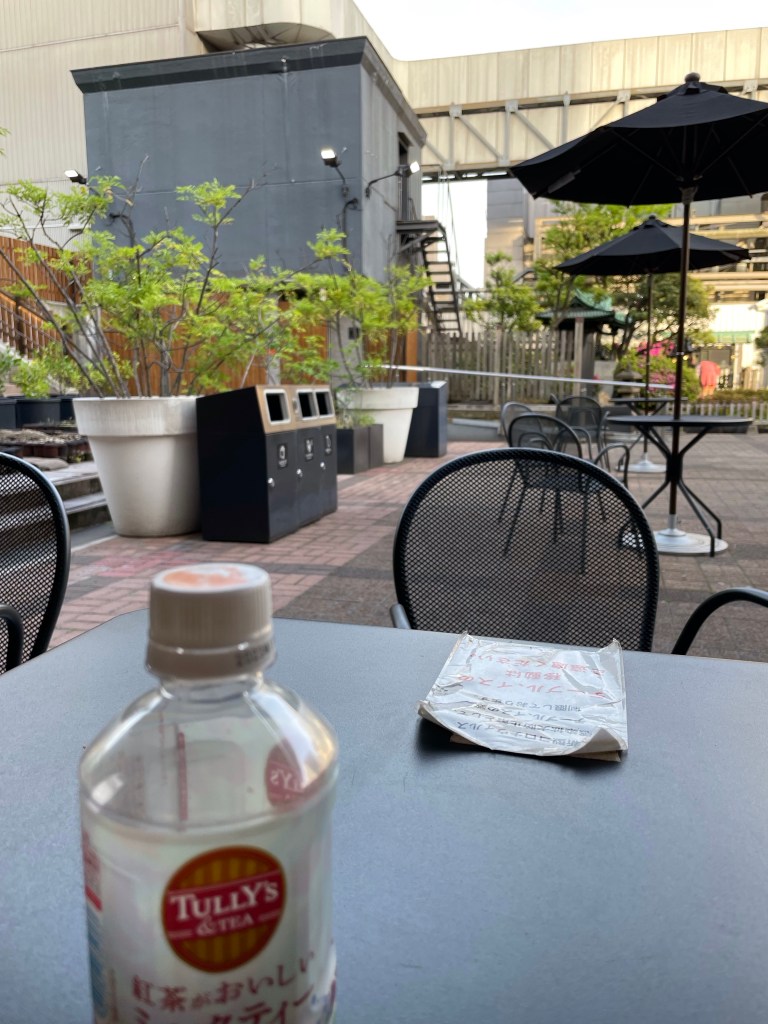
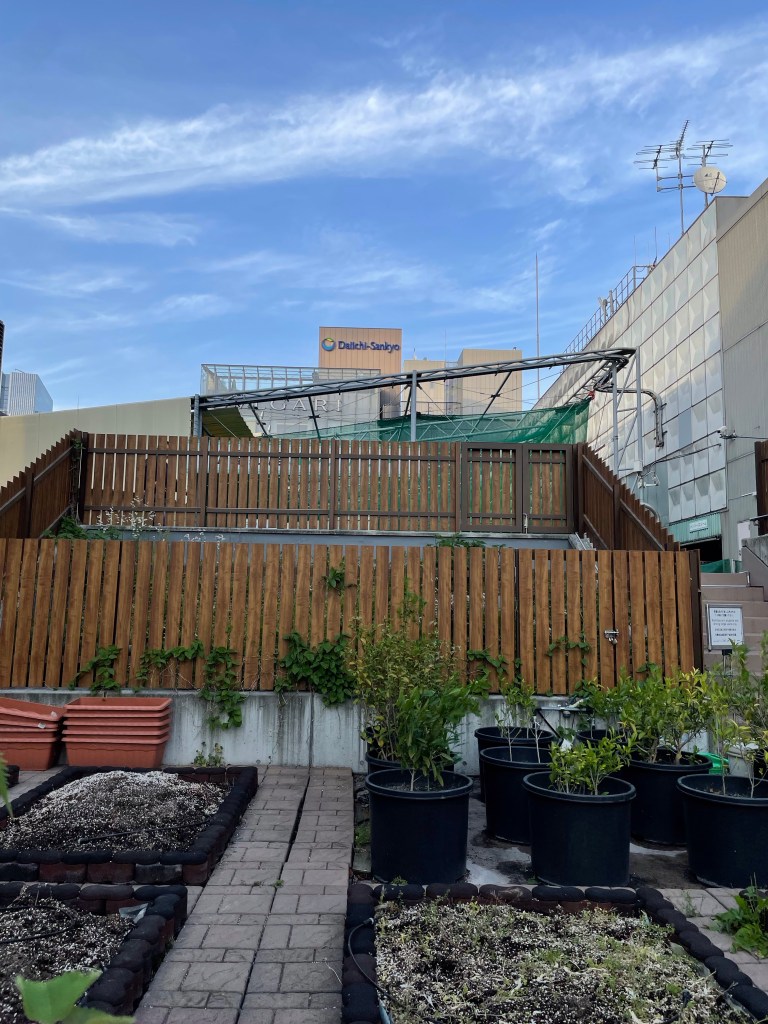
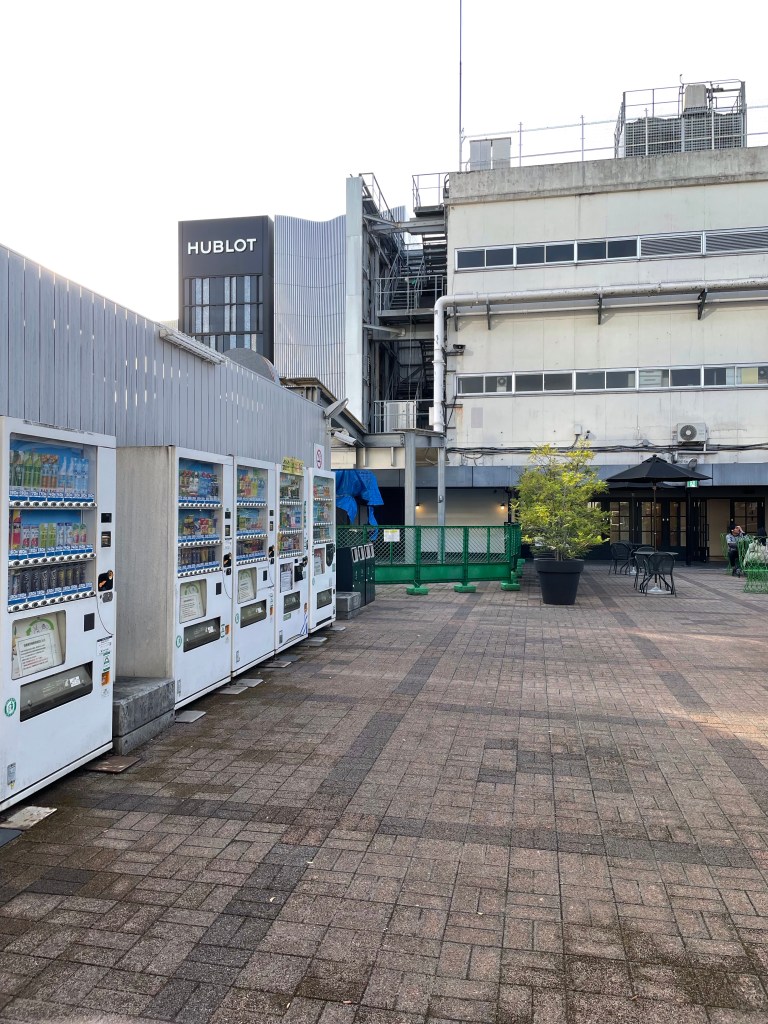
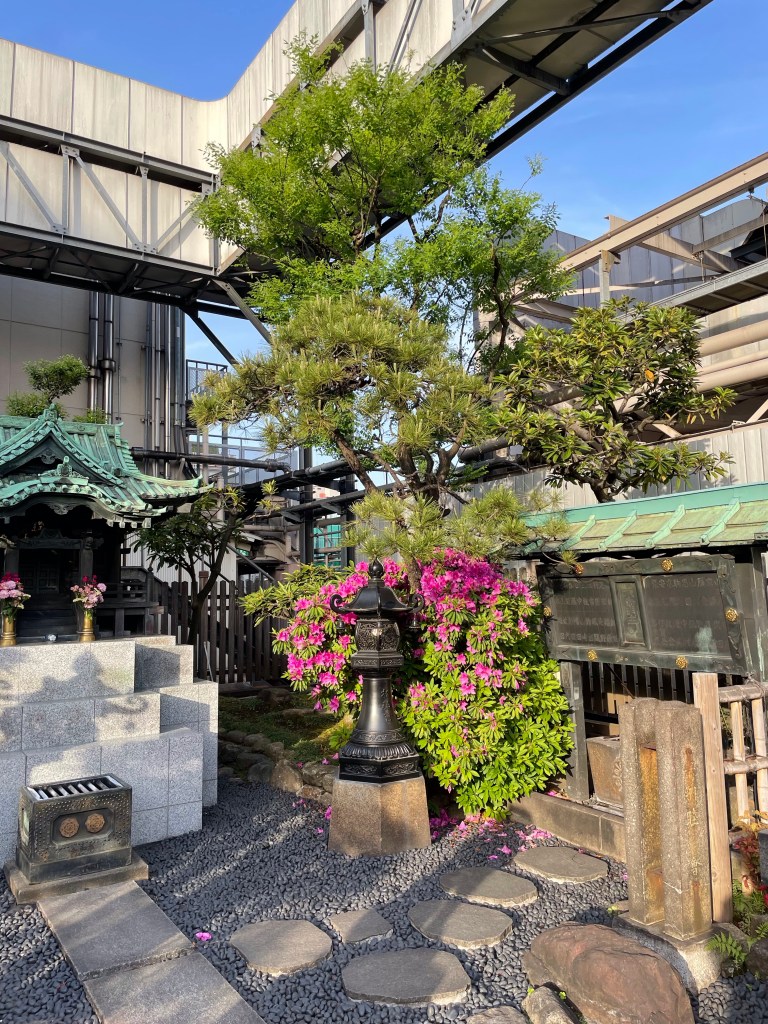
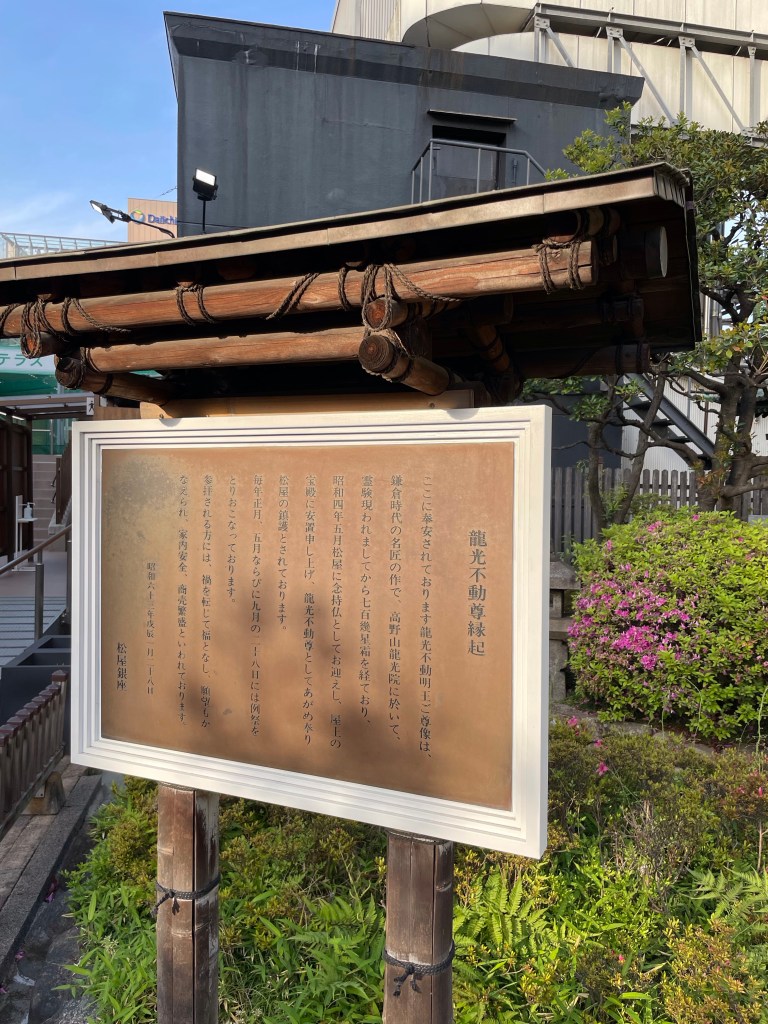
もしも 銀座で歩き疲れたら
ココで休憩 ブレイク
ホット一息
自動販売機もベンチもあります
デパ地下のお弁当食べるのも
ここならゆっくり
召しあがれ
花の後ろ
ジャジャーン
実が隠れてる
うーうん いい香り
りんご 白い花 柑橘系さわやかさも
自然ってすごいな〜
ひっそりと 行われる
地球はまわっている
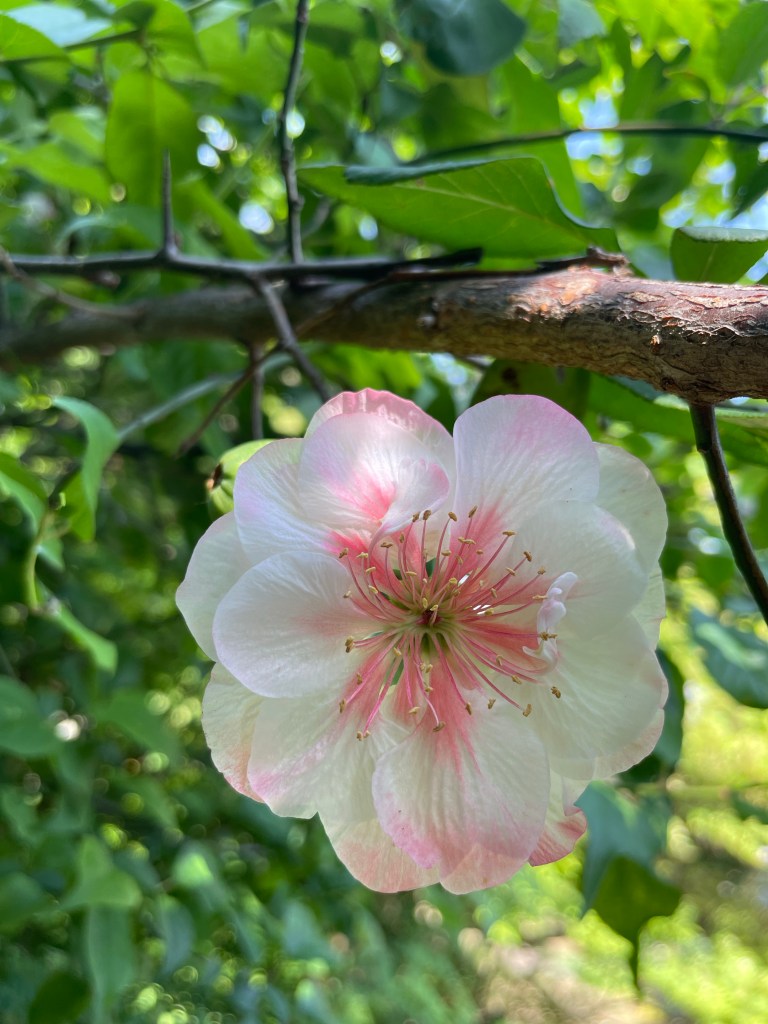
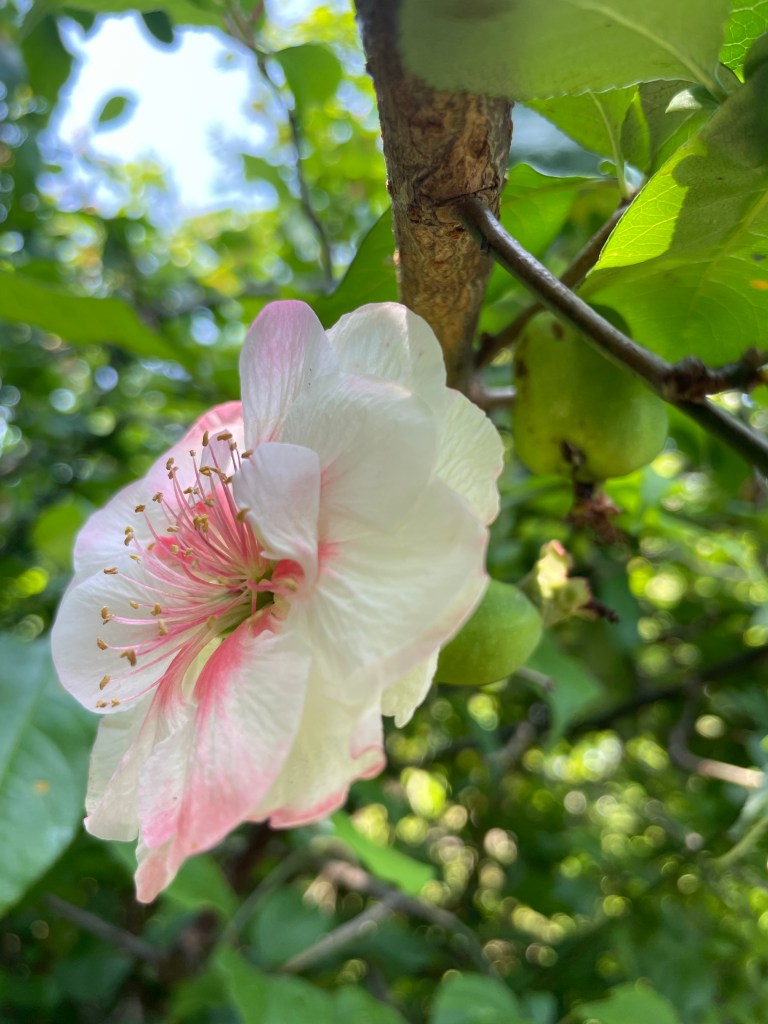
Chaenomeles japonica
Fruits behind the flowers.
smells so good!
Grandpa says they’re not edible.
It smells of apple, pear and citrus.
ケープマーガレット
小さな花集まってがやがや
楽しそう 笑い声が聞こえそう
みみをすませば
公園でのひととき
どなたか植えてくれた方
ありがとう
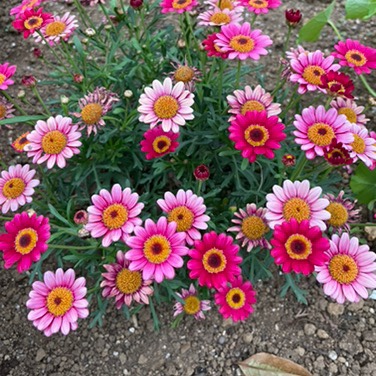
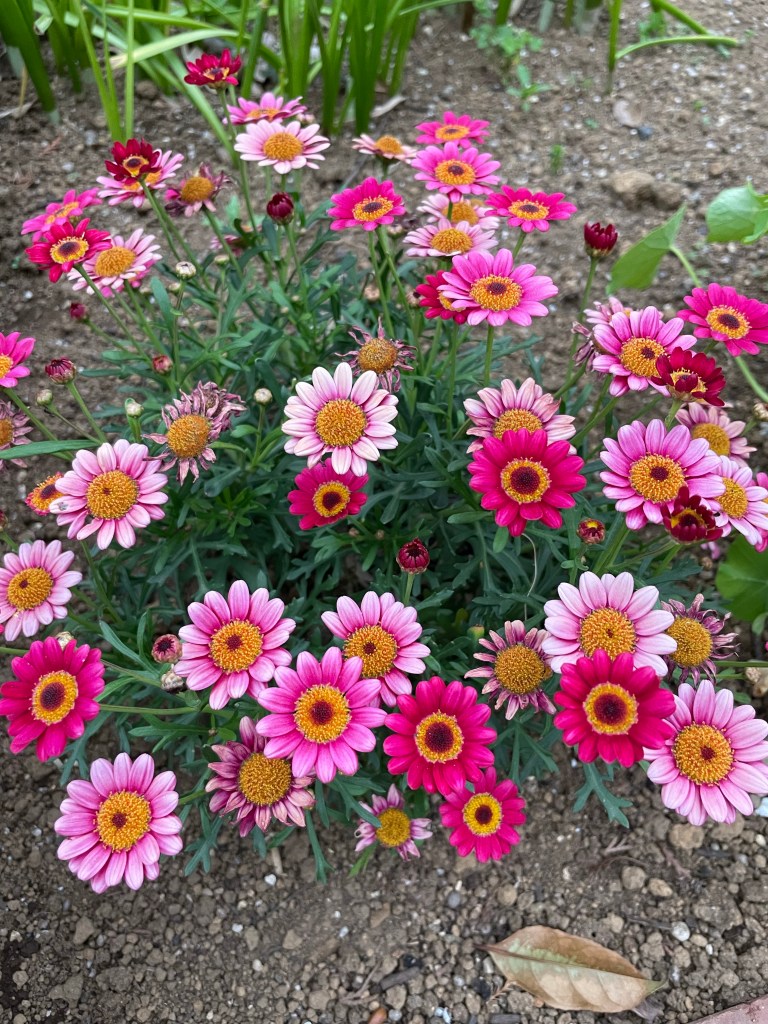
Osteospermum is a genus of flowering plants belonging to Calenequae, one of the smaller tribes of the sunflower/daisy family Asteraceae. They are known as Daisybush or African Daisy.
成田山新勝寺
成田空港からすぐ
乗継時間があったら 寄ってみて
パワースポットです
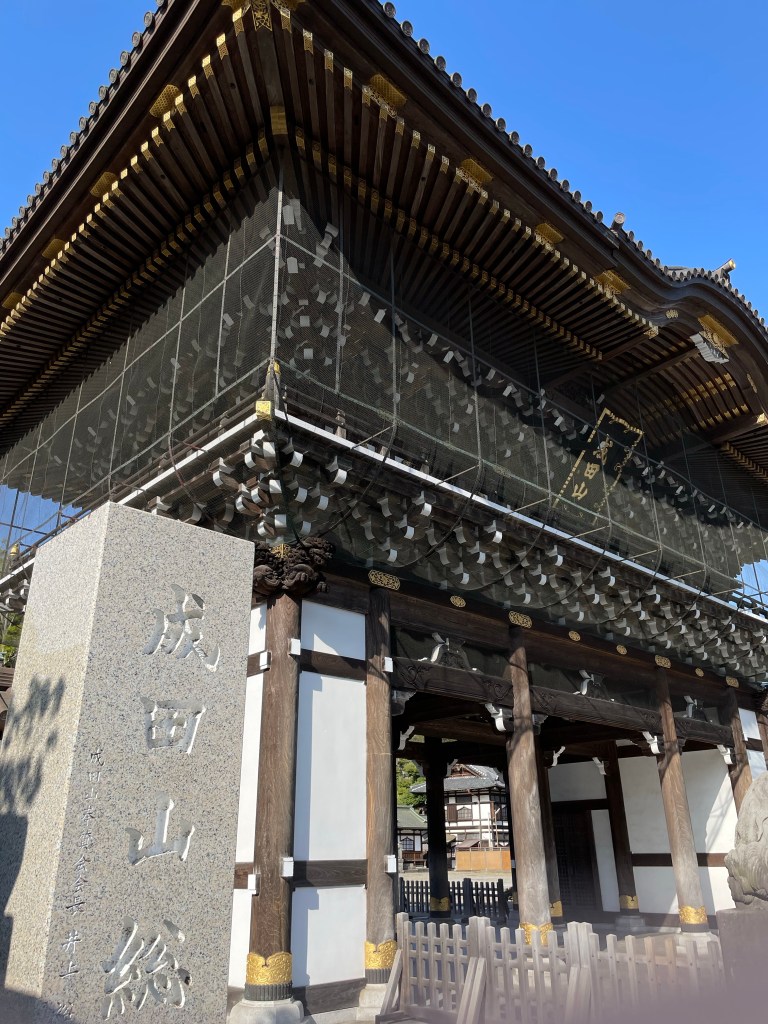
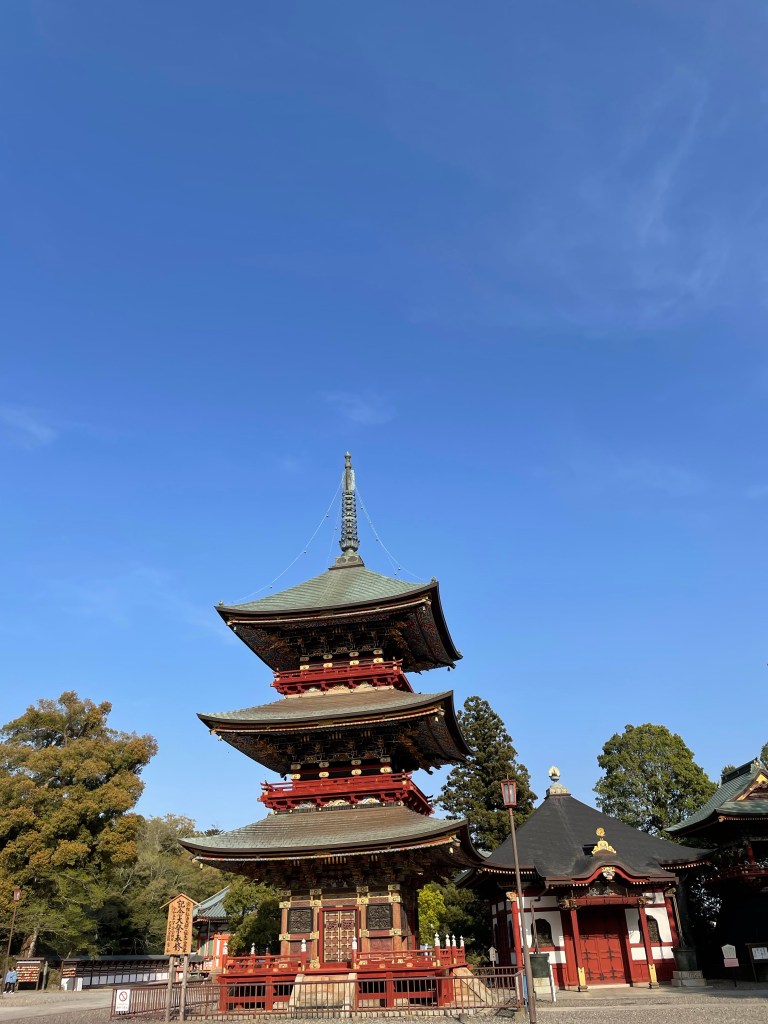
Naritasan Shinsho-ji Temple has a history of more than 1,080 years, and is one of the leading temples in the country where more than 10 million visitors visit annually.
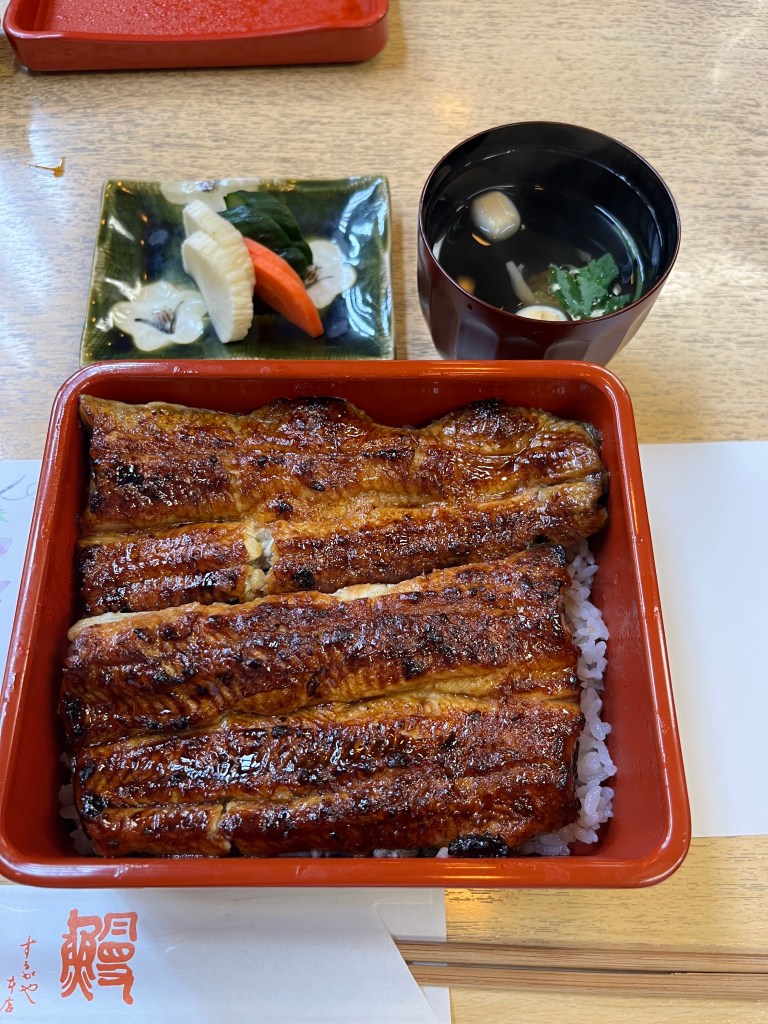
Why is Naritasan an eel?
うなぎがとっても有名
ランチを成田空港で食べるなら
ここまでくるのもオススメ
美味しい鰻 食べて
海外へ それか
帰ってきた時
やっぱり美味しい
贅沢なひととき
https://www.surugaya-unagi.net/food
Narita, where the Tone River and Inbanuma are located, is rich in water resources, and river fish have been eaten well for a long time. The eel caught in Inbanuma is one of them. In the Edo period, Narita pilgrimage and Kabuki appreciation to visit Naritasan Shinsho-ji Temple spread as a vacation, and eel dishes came to be served to entertain worshippers.
松の木
ニョキニョキ 新芽が
元気いっぱい
うれしい
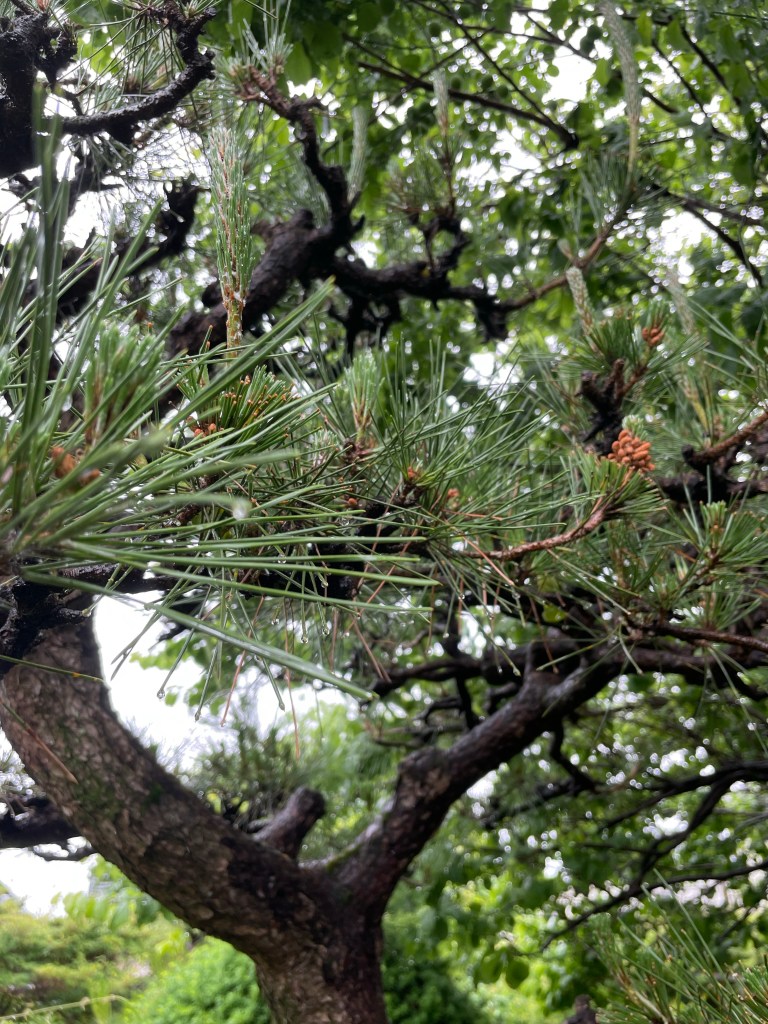
みどり摘みとは、まだ開いていない新芽を摘み取ることです
一般的にはクロマツ、アカマツ、ゴヨウマツで早春に行います
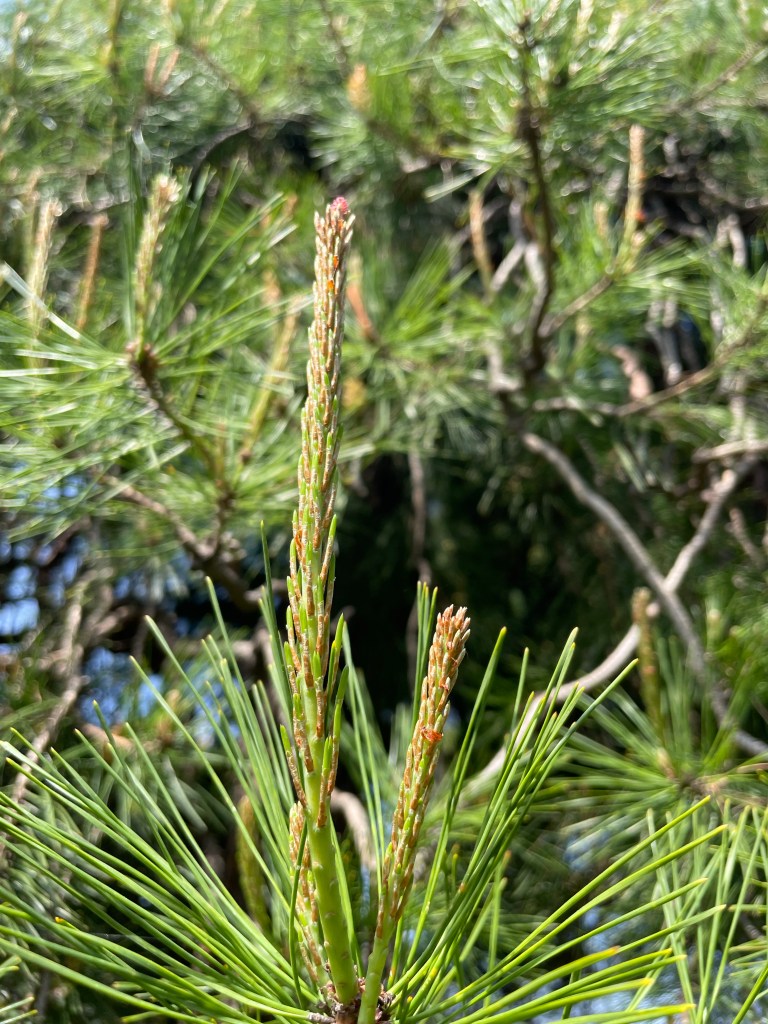
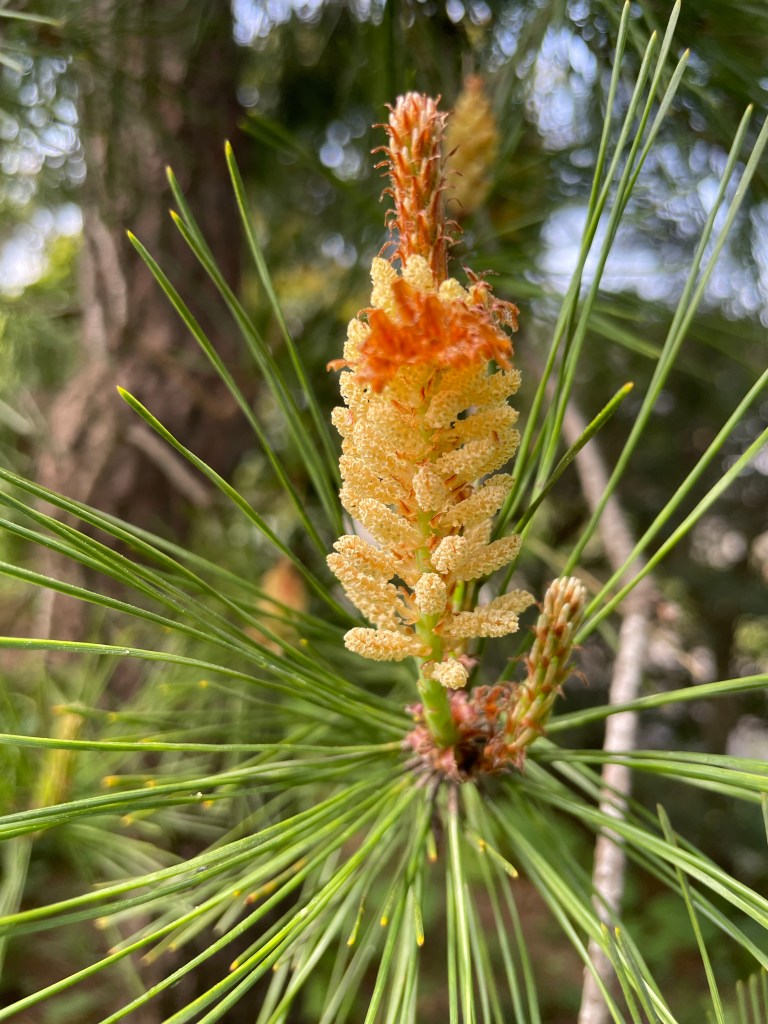
みどり摘み Midori -tsumi is the process of plucking new shoots that have not yet opened, and is generally done in early spring on black spruce, red spruce, and goyo spruce. These pines produce one to several shoots (midori) at the ends of branches every year, depending on the vigor of the tree, and if they are left as they are, not only do the branches grow, but they also form car branches (one of the “baneful branches”, i.e., multiple radiating branches from one place). Therefore, we need to adjust the number of branches and the growth of branches by plucking off unnecessary shoots to balance the vigor of the tree.
⭐︎Recommended Place an Oasis in the middle of Tokyo
東京で緑に囲まれて見たくなったら
自然教育園がおすすめ
近い駅は 白金台
https://ins.kahaku.go.jp/ 日本語案内
https://ins.kahaku.go.jp/english/about/summary/index.html English
This ancient pine tree is one of the vestiges of the villa of the Edo-era nobleman, Matsudaira Sanukinokami. Along with the nearby Hyotan Pond, it is believed to have formed part of a pleasure garden.
https://ins.kahaku.go.jp/english/download/leaflet.pdf
Closest station ⭐︎Shirokanedai Sta.https://ins.kahaku.go.jp/english/userguide/access/index.html


 SUNSUN kawaii Japon🇯🇵
You must be logged in to post a comment.