Recommended cawaii shopping in Japanガチャガチャ⭐️Capsule toys

One of the reasons to come to Japan is for the gacha-gacha, which is a very cawaii cultural exchange.
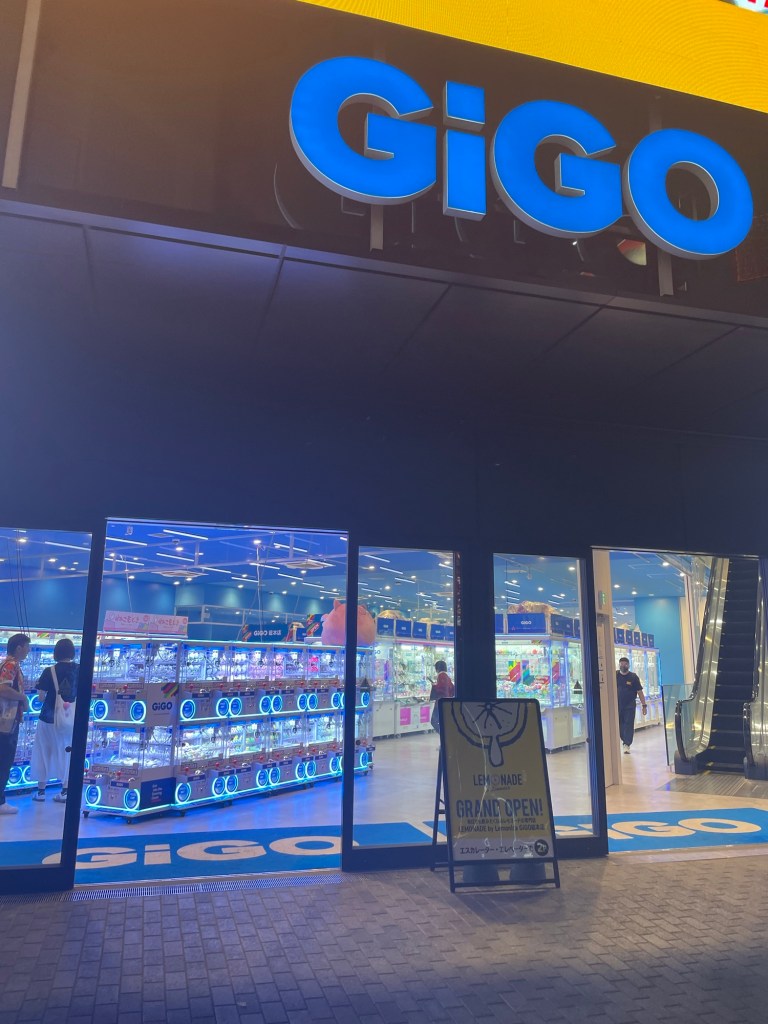
Ikebukuro Tokyo

GACHA®” (capsule toys) were imported from the U.S. in 1965 by Penii Shokai (now Penii).

Penii was the first company in Japan to install Gacha machines.

ガチャは最初アメリカから輸入されて日本へ

葛飾区のペニーという会社が初めて

こんなに人気になるなんて!思わなかったんじゃないかな

As the first company to install Gacha machines in Japan, PENII designated February 17, the anniversary of the company’s founding, as “Gacha Day.

The company has established the “Gacha Day.

Gacha Day” is celebrated in the hope that Gacha will be loved by a wide range of people, from children to adults, and that more people will become aware of its appeal.

The capsule toy brand is popularly known by the trademark “GACHA®.Currently, the company launches approximately 40 to 60 types of toys every month, 600 types per year

The company has launched more than 1,000 new products, which are enjoyed by people of all ages and genders.

The year 2024 mark the 59th anniversary of GACHA® in Japan, and the two companies will look back on the history of GACHA® and compile photos and materials from that time in anticipation of its 60th anniversary next year.

February 17 今年ガチャ59歳の誕生日

ガチャ還暦!

See you in next Cawaii Japan!
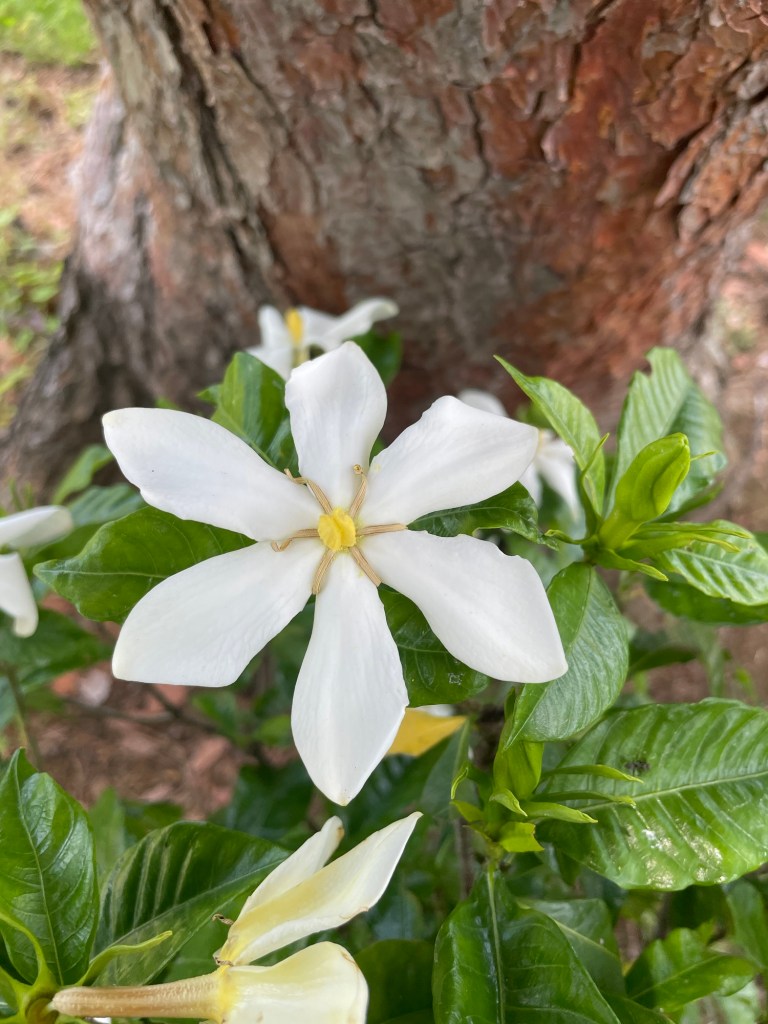
recommended My garden flowers ⭐️Gardenia is one of the flowering plants that have been cultivated in Japan since ancient times. beautiful flowers with a sweet fragrance in early summer and during the rainy season.

https://pin.it/ox71FYsjq

Gardenia (Gardenia jasminoides) is an evergreen shrub in the family Gardeniaceae.

Native to East Asia, including Japan and China, it produces white flowers from June to July.

The tree is 1 to 2 meters tall.

クチナシ

There are various theories as to the origin of its name, but one well-known theory is that it came to be called “gardenia” because its fruit does not split open when ripe and its mouth does not open.

The fragrance of the gardenia is one of its main attractions. I love it!

6月の大好きな花の紹介でした

June’s Favorite Flowers

See you next time!

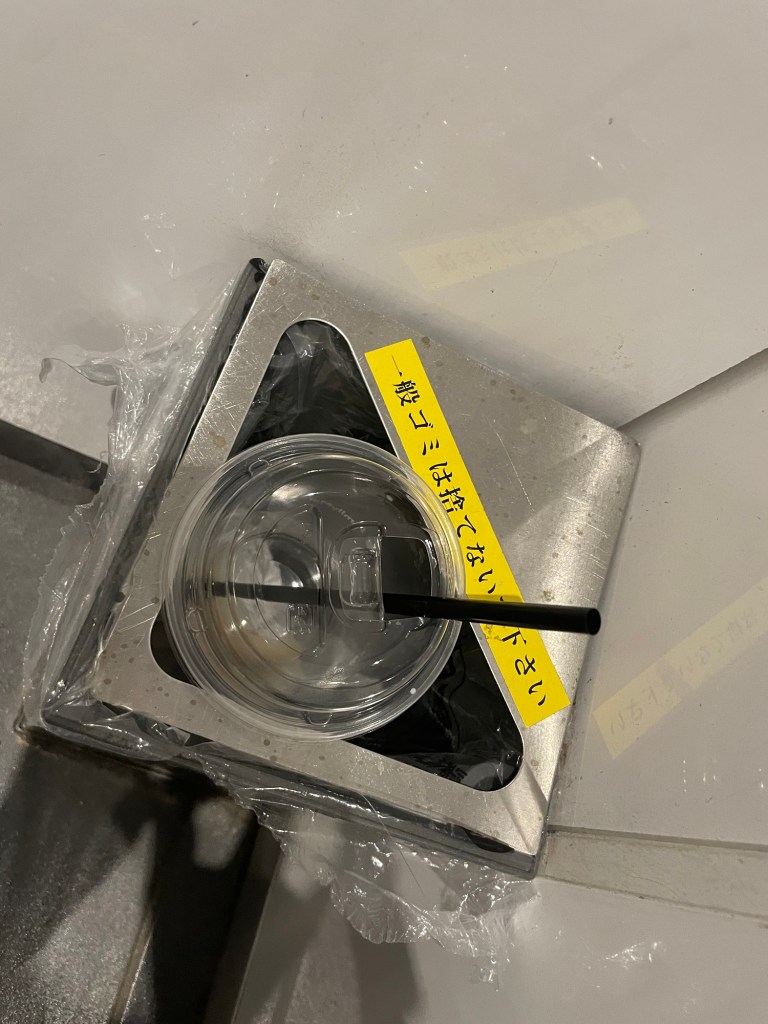
「YourWonders ⁇of Japan 」What is general garbage? trash?⭐️一般ゴミ

In Japan, trash cans are not provided and people are encouraged to take their trash home (or to the hotel where you are staying).

It is surprising, isn’t it?

This is culture shock!

日本ではゴミ箱が設置されず、家に持って帰る(或いは滞在先ホテル)ことが推奨される文化です。驚きですよね。これぞカルチャーショック!

たまに見かける

“一般ゴミ”って何かしら?

一般ゴミGeneral waste refers to small combustibles generated by households in the course of daily life. This includes kitchen garbage, paper, cloth, and small plastic products, as well as small combustibles such as shoes, bags, and video tapes.

In Japan, it is customary to take garbage home with you.

Wonders of Japan 新コーナー 次回また!

See you next time!

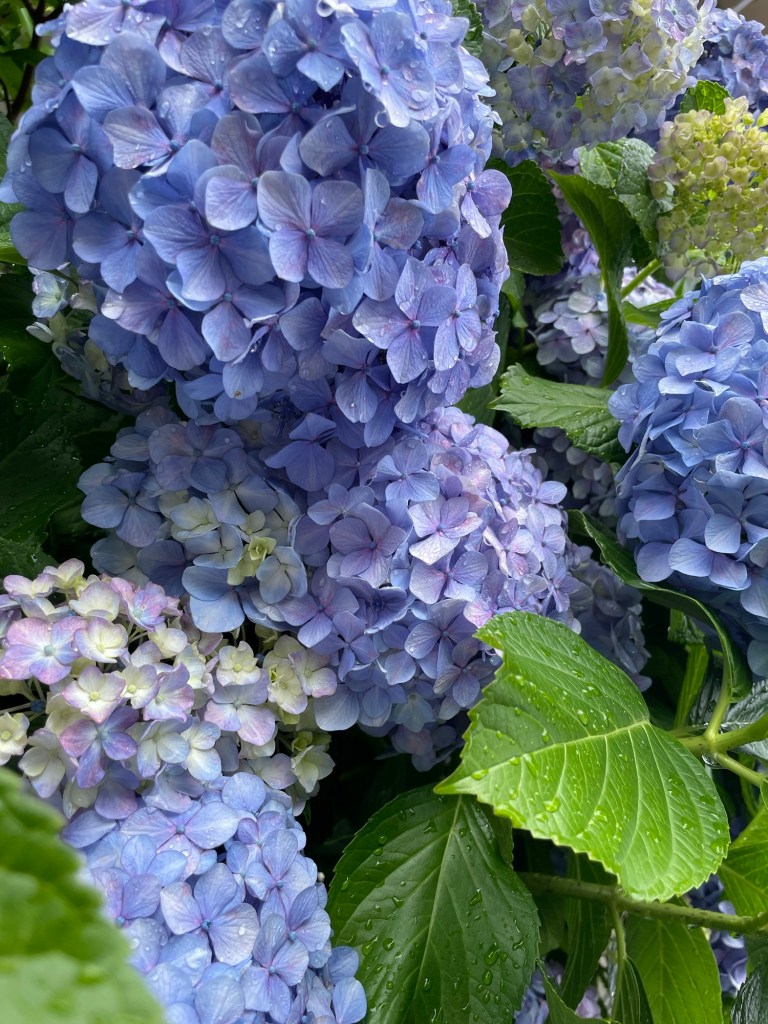
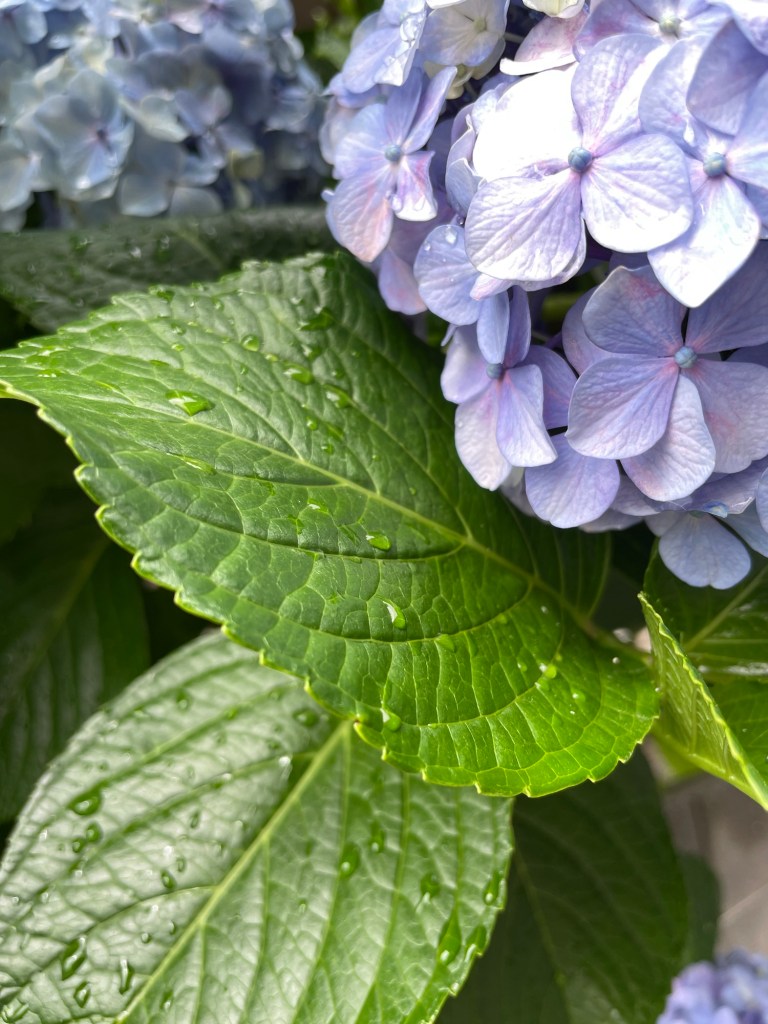
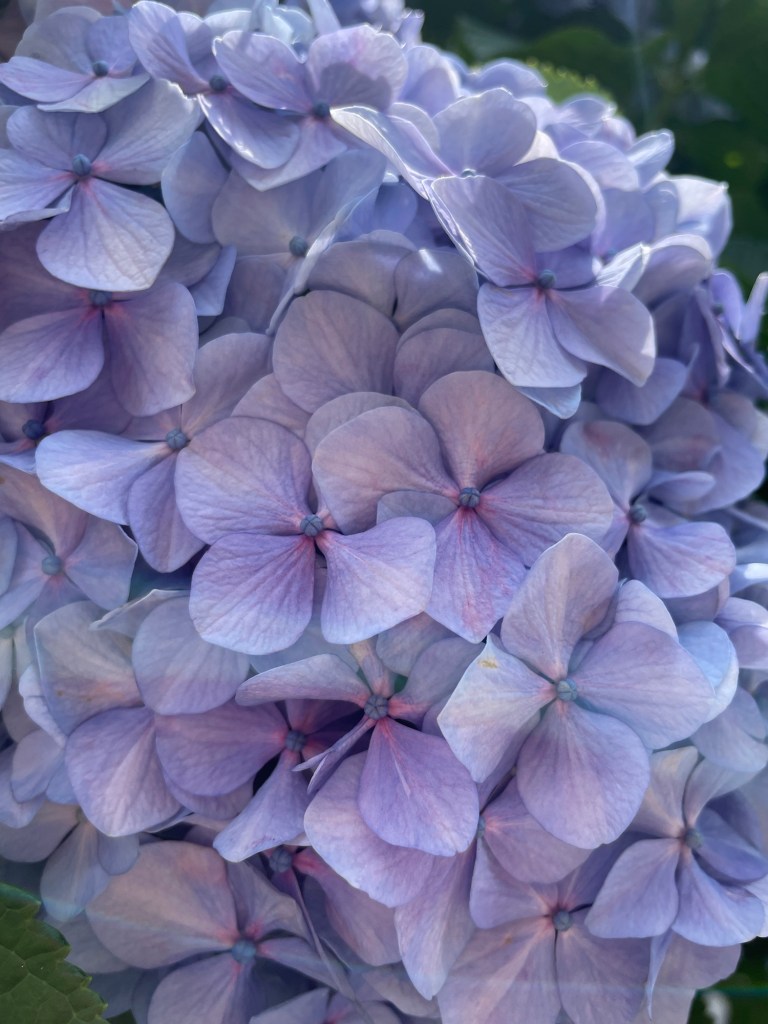
recommended My garden flowers⭐️Hydrangea in June

https://pin.it/2T6QP3aK2

June is a rainy month

It’s so muggy today.
But I love this season of blooming flowers
because it is

hydrangea 紫陽花

I also like kanji 紫陽花

The Chinese name “紫陽花” comes from a Chinese poem by Tang Dynasty poet Bai Juyi.


after the rain
It’s great in the rain

so beautiful‼︎

It is a flower native to Japan, and is mentioned in the 万葉集Manyoshu, the oldest anthology of Japanese poetry, 古事記in poems such as “Ajisai”

「味狭藍」「安治佐為」

Blue has the language of “patient love”.

Hydrangeas have become the flower of choice for June Bride wedding bouquets.

See you next time❣️again from my garden!

recommended My Japan season ⭐️立夏 Rikka Lovely season

Rikka is one of the 24 Sekki (24 seasonal divisions).

Nijushisekki divides the spring, summer, fall, and winter seasons into six segments each, and the year is divided into 24 segments, each with a name that serves as a guide to the season.

For example, the first Sekki before Rikka is “Kokuu,” which means rain moistens grains, and the next Sekki after Rikka is “Shoman,” which means all things are full in heaven and earth.

Rikka may refer to the day on which summer begins, or it may refer to the 15 days from Rikka to the day before the next Sekki, Shomitsu.

Rikka(立夏) in 2024: …..May 5 or May 5 – May 19

See you next time❗️

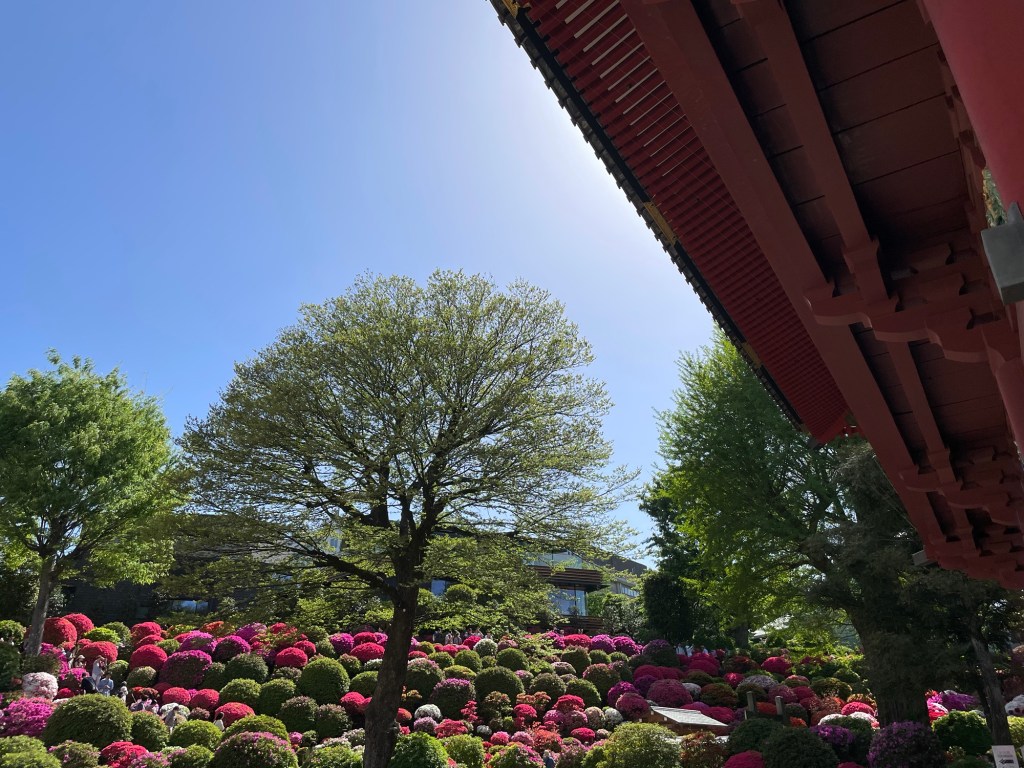
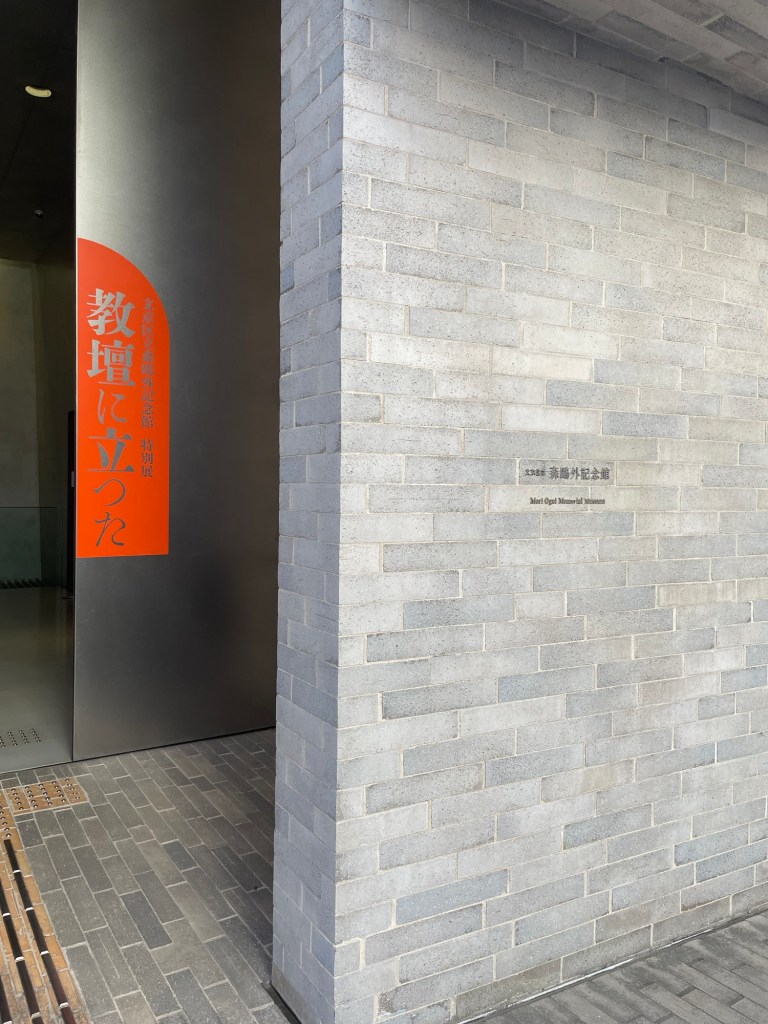
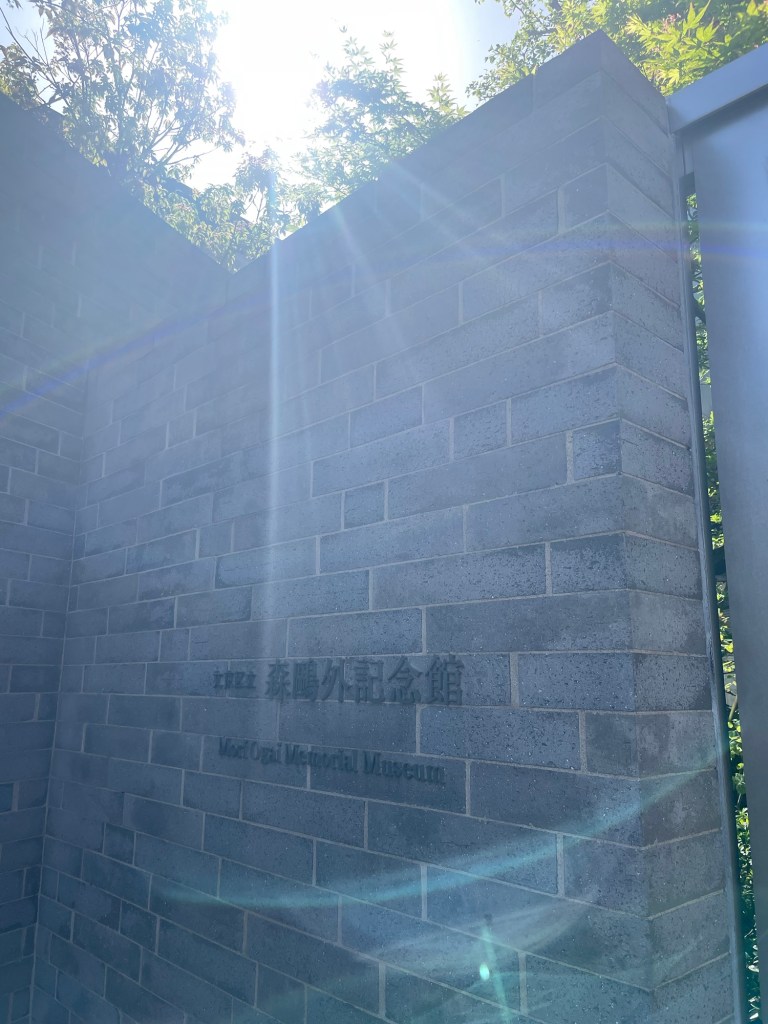
Recommended MyFavorite Places in Japan April in Tokyo つつじRhododendron Festival at ⭐️Nezu Shrine ⭐️Ogai Memorial Museum

https://pin.it/5oViWEtn4

Recommended.

https://nedujinja.or.jp/

After seeing colorful azaleas, take a 30-minute walk from Nezu to the Ogai Memorial Museum in Sendagi.

https://moriogai-kinenkan.jp/modules/contents/index.php?content_id=38

It is said that Ogai of old days took a walk
While walking in the quiet residential area of today
You will notice that there are many hills.

That’s why it’s called Dangozaka.団子坂

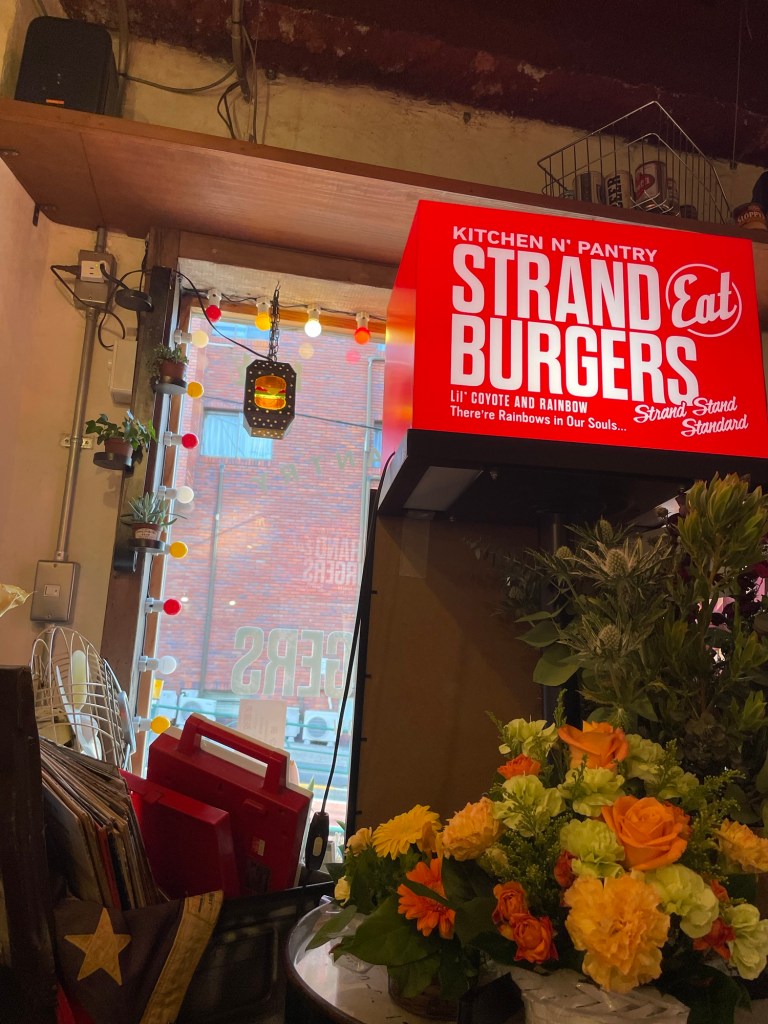
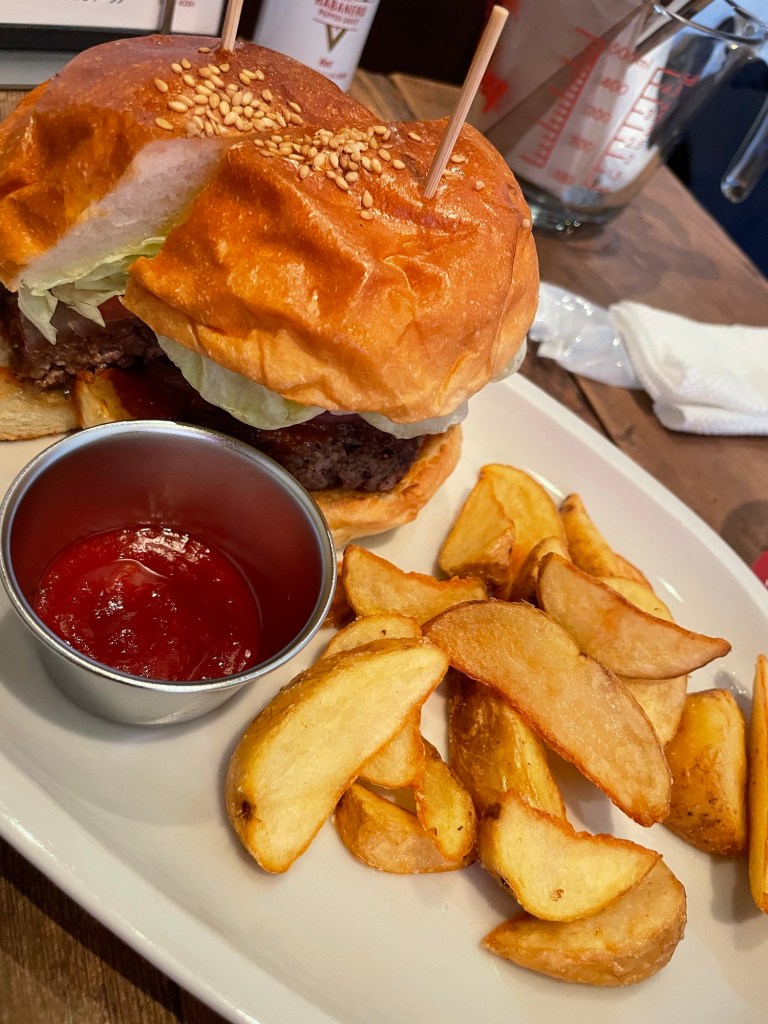
Finally, I found a cawaii hamburger shop that just opened near the station!
The burgers were delicious, as was the homemade ketchup!

What should I do for the rest of the day in Tokyo?
I recommend this “Tokyo Small Town Tour”

The azalea festival is in April.
Nezu Shrine is always a good place for photos!
And there is a relaxed atmosphere

See you soon!

I’ll be back to introduce you to

Sunsun Cawaii Japan tour!

🤩Ideas for additions🤩
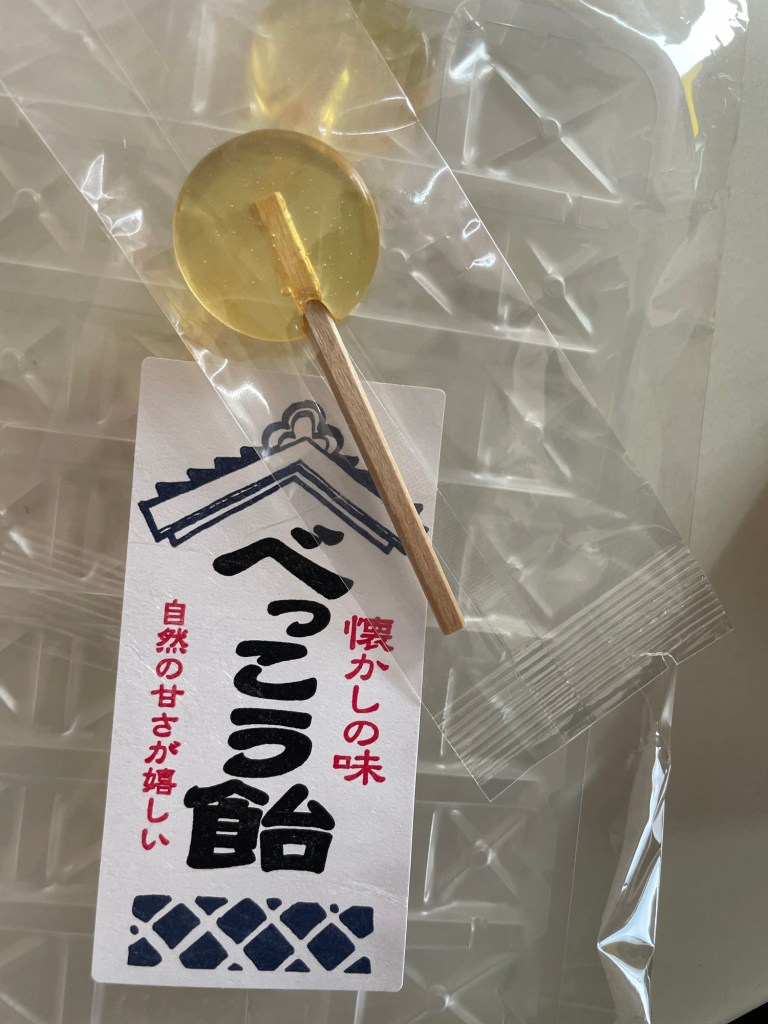
There is a very tasty candy shop near Nezu Shrine!

https://g.co/kgs/a8pmzwg

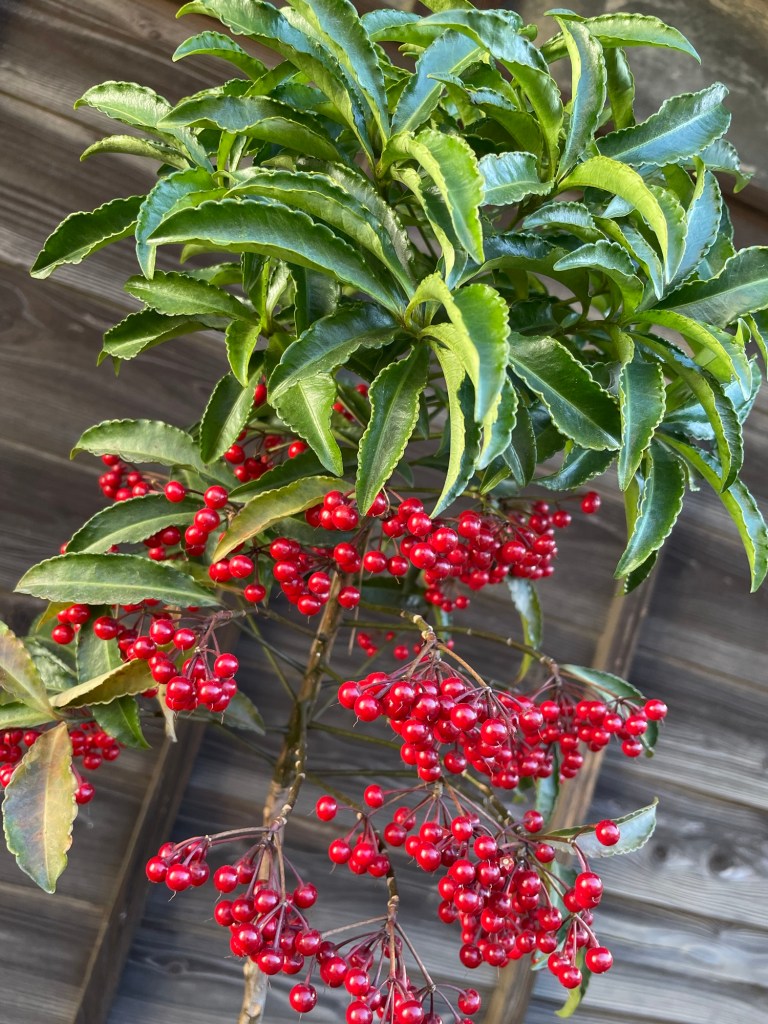
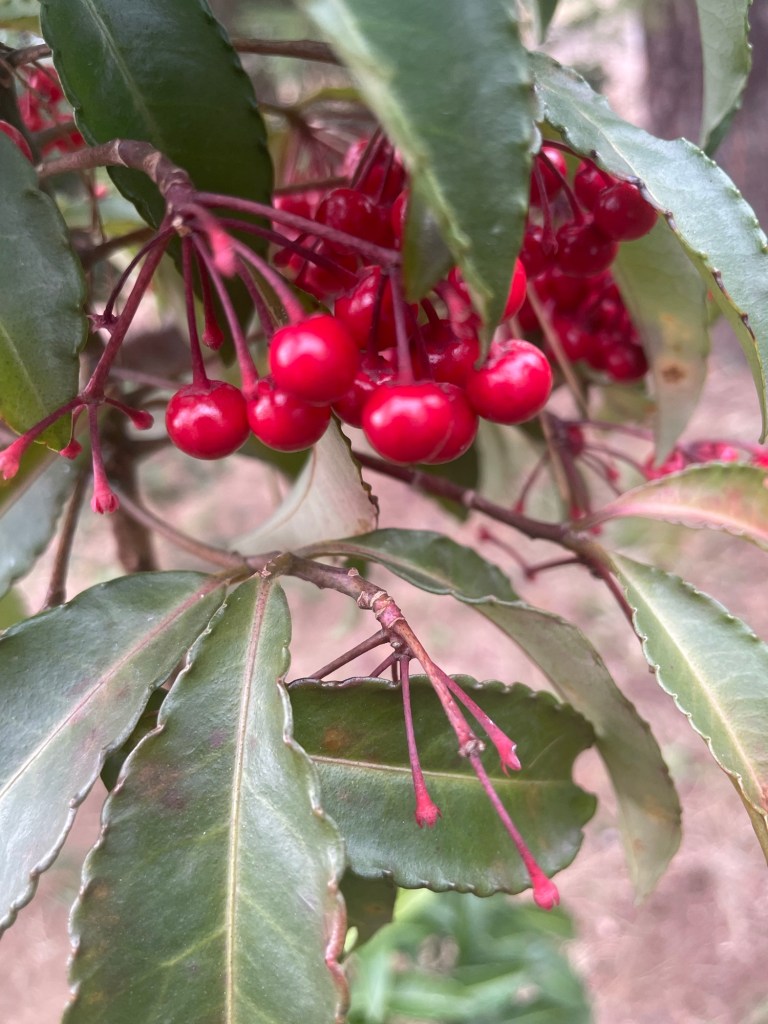
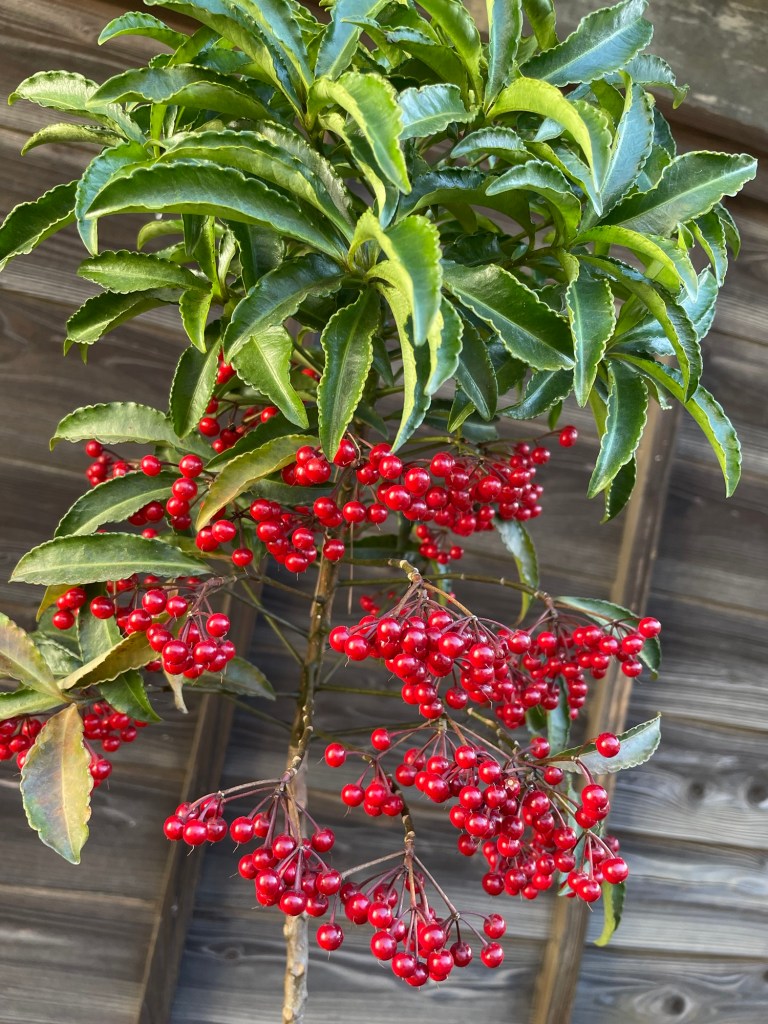
recommended My garden flowers⭐️Ardisia crenata万両

お正月の縁起物 赤い実 万両

千両より大きく赤い実をつけることから万

万両と名付けられました

https://pin.it/1ZmMLi3

New Year’s lucky charm: red berries, mangyo

The red berries are larger than “Senryo” and are called “Manyo” in Japanese.

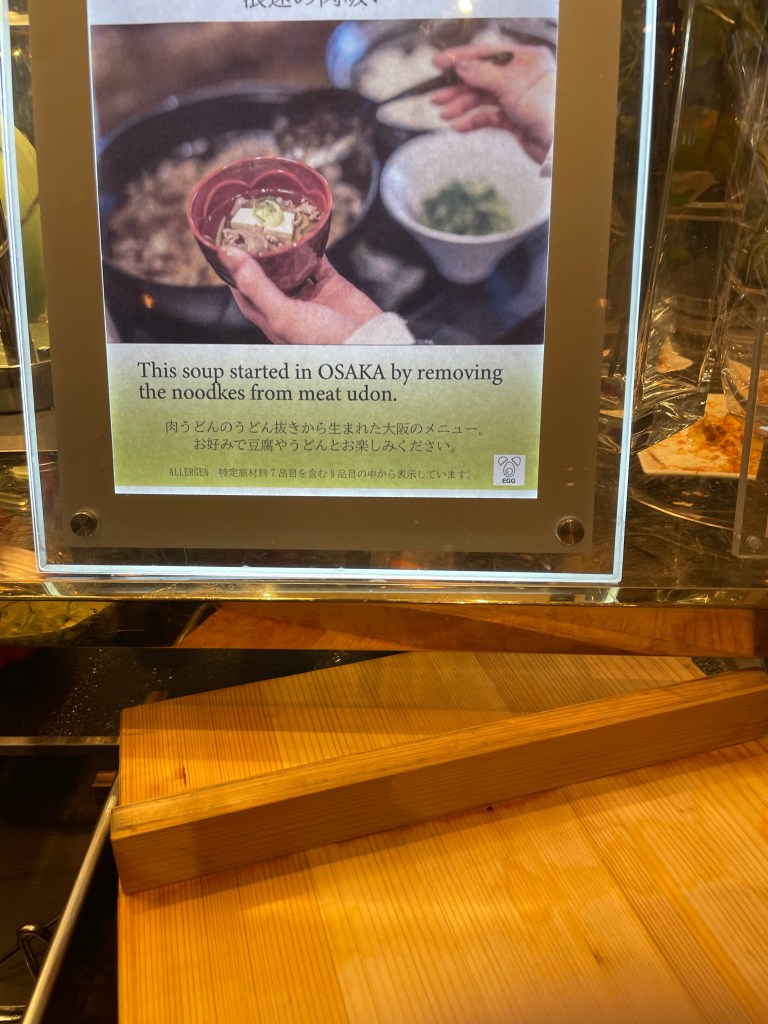
Recommended Delicious Japanese⭐️Osaka’s soul food “Niku Sui“

大阪だし文化のソールフード「肉吸い」

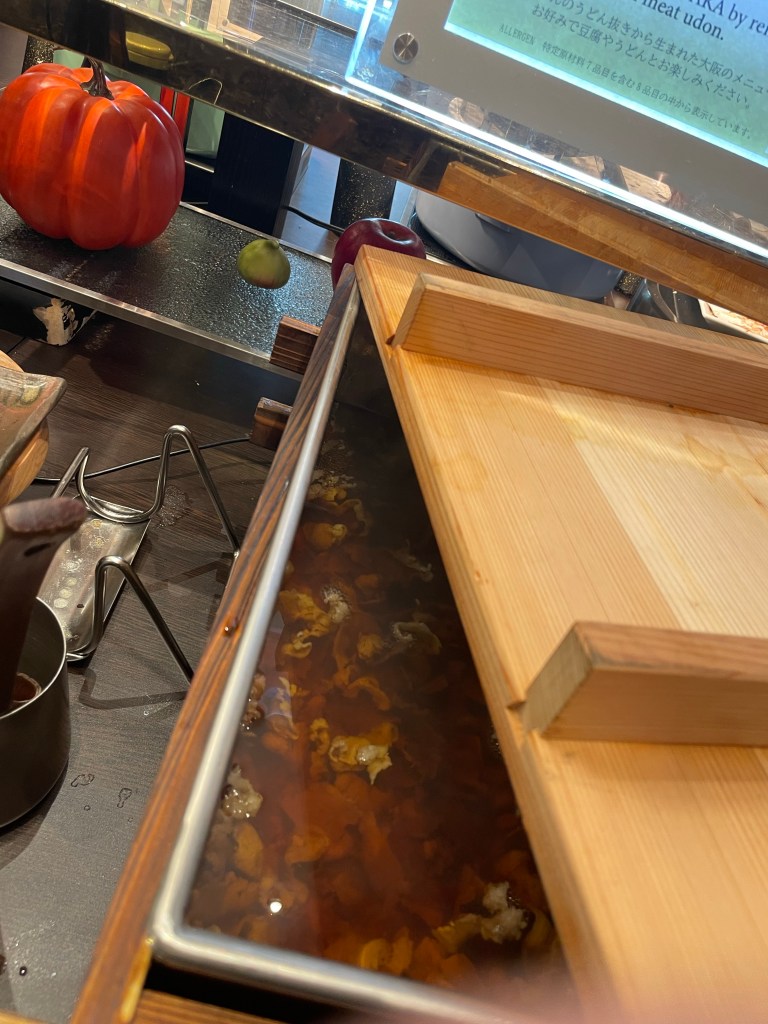
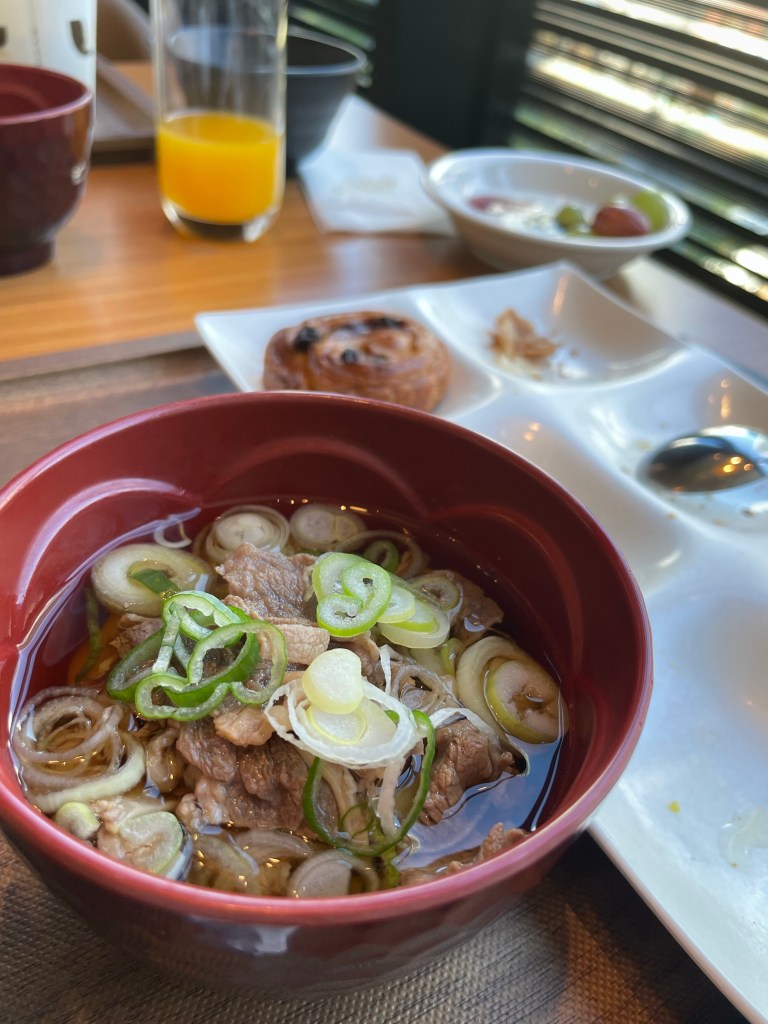
Nikusui is a dish found in some restaurants in Osaka. It is simply udon noodles without the udon noodles. It is made with thinly sliced beef and a half-cooked egg in Kansai-style udon sauce made with dried bonito flakes and kelp. It is also available without egg or with tofu.

肉吸いとは、簡単に言うと、「肉うどんのうどんを抜いたもの」です。

肉吸いが誕生したのは1980年代。

吉本新喜劇の役者がうどん屋『千とせ』を訪れた折に、二日酔いで食欲がなかったために「肉うどん。うどん抜きで」と注文し、実際に提供されたところからこの料理は始まりました。

https://www.chitose-nikusui.com/

ソウルフードはおいしい

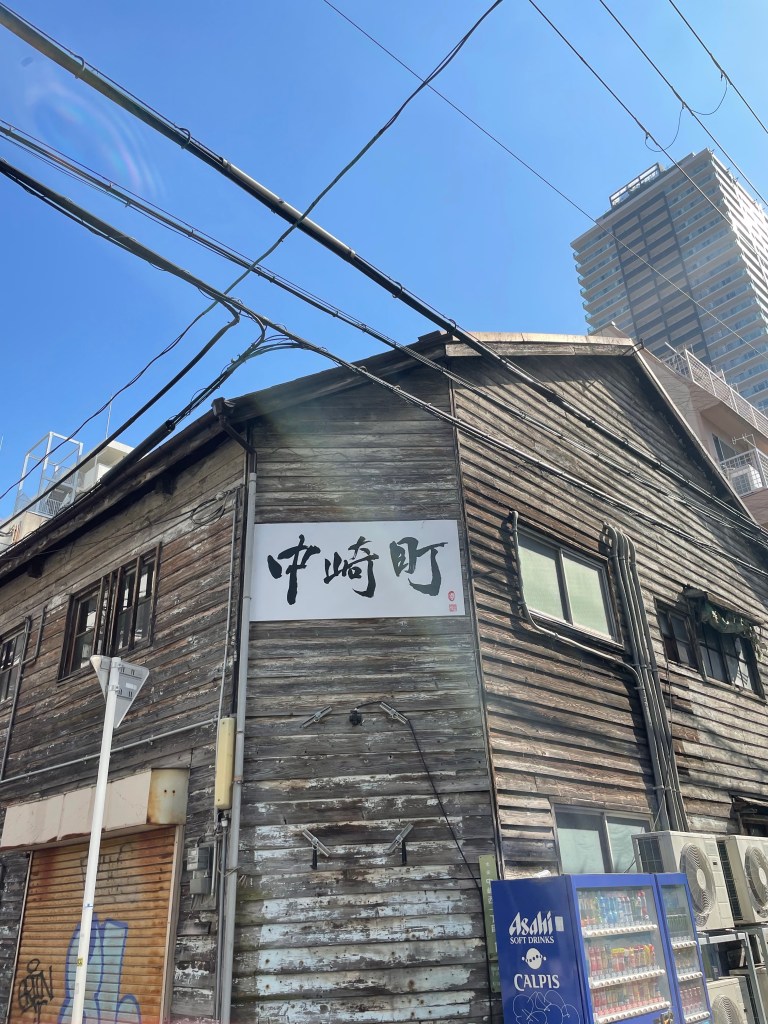
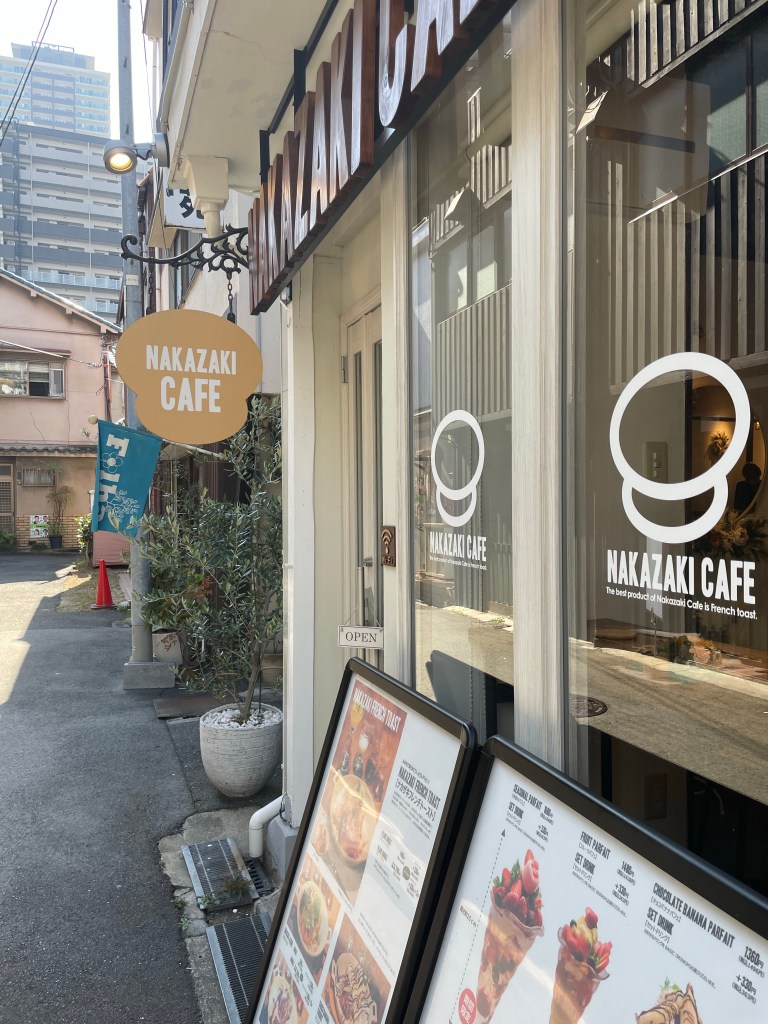
Recommended MyFavorite Places in Japan Osaka Umeda, ⭐️Nakazaki-cho

梅田から徒歩圏内

中崎町は、戦争の空襲被害を奇跡的に免れ 昭和の面影が残るエリア。

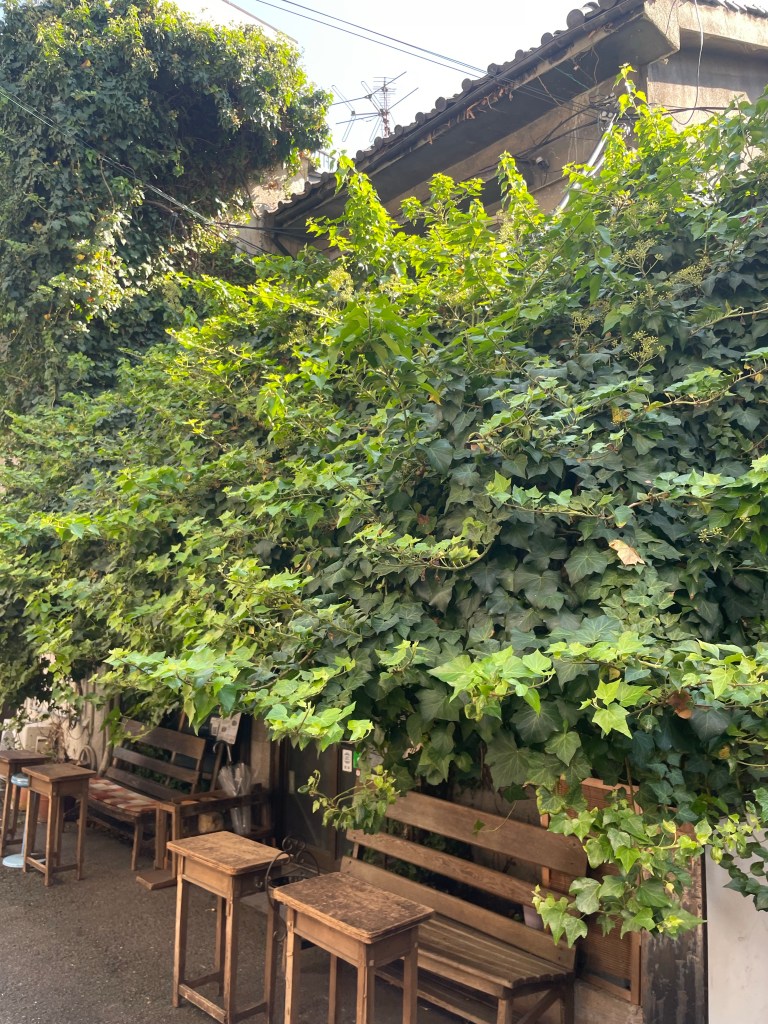
昭和レトロな不思議な街。

https://pin.it/11iUuRe

Located within walking distance from Umeda, Nakazaki-cho miraculously escaped air raids during the War and still retains the atmosphere of the 昭和Showa period.

It is a mysterious town with a mixture of places to live, work, and eat, variety of people, young and old, men and women, and tourists, come and go.