Recommended Events 大晦日の日 31st of December

I am writing about how to spend New Year’s Eve on December 31st for those who have come from overseas.
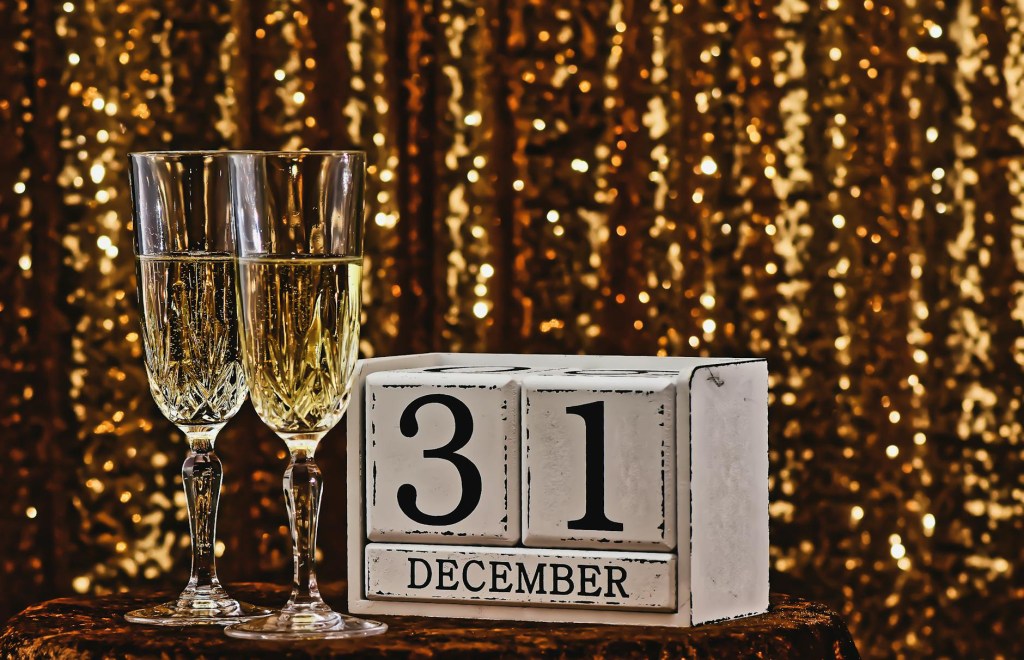
大晦日 OHーMISOKA

Meaning and Origin of New Year’s Eve.


New Year’s Eve has been a tradition since the 平安時代Heian period (794-1185), and began as a day of preparation for welcoming the 歳神様”Toshigami-sama,” or God of the Year.

It comes from “Misoka,” which means the last day of the month in the lunar calendar, and represents the end of the year.

Major New Year’s Eve Traditions
Japanese people hold the following traditional events on New Year’s Eve:

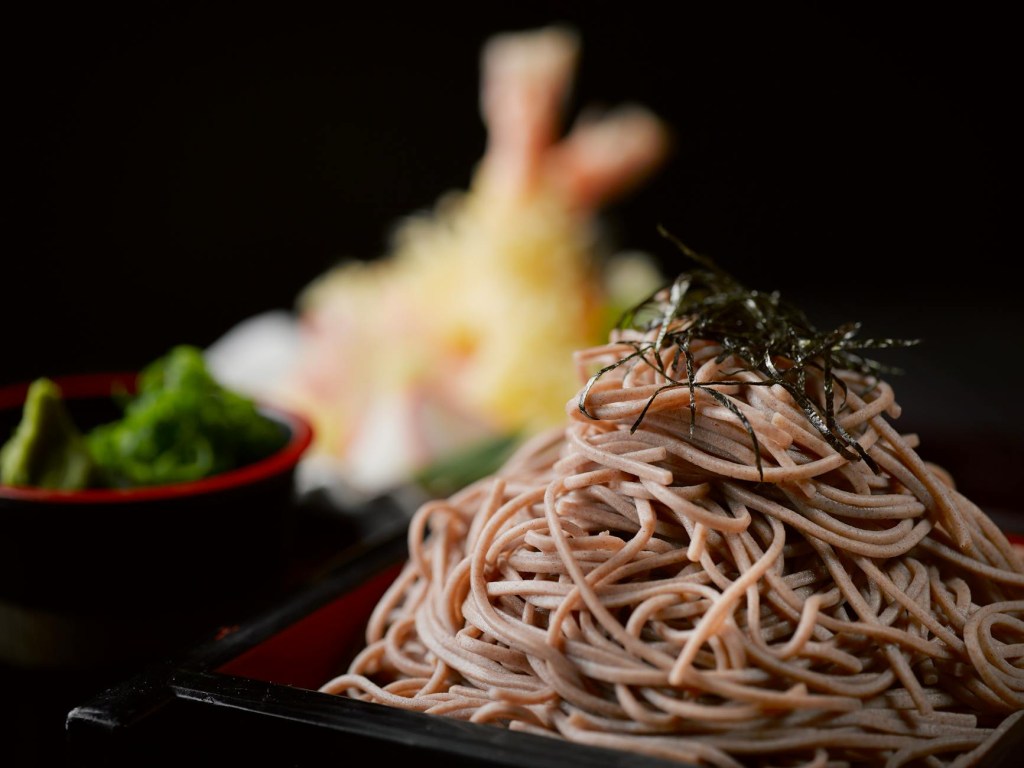
①年越し蕎麦 Soba

New Year’s Eve Soba: to break the hardships of the year and wish for a long life

– Ringing of the temple bell: 108 bells are rung to remove all worldly desires.
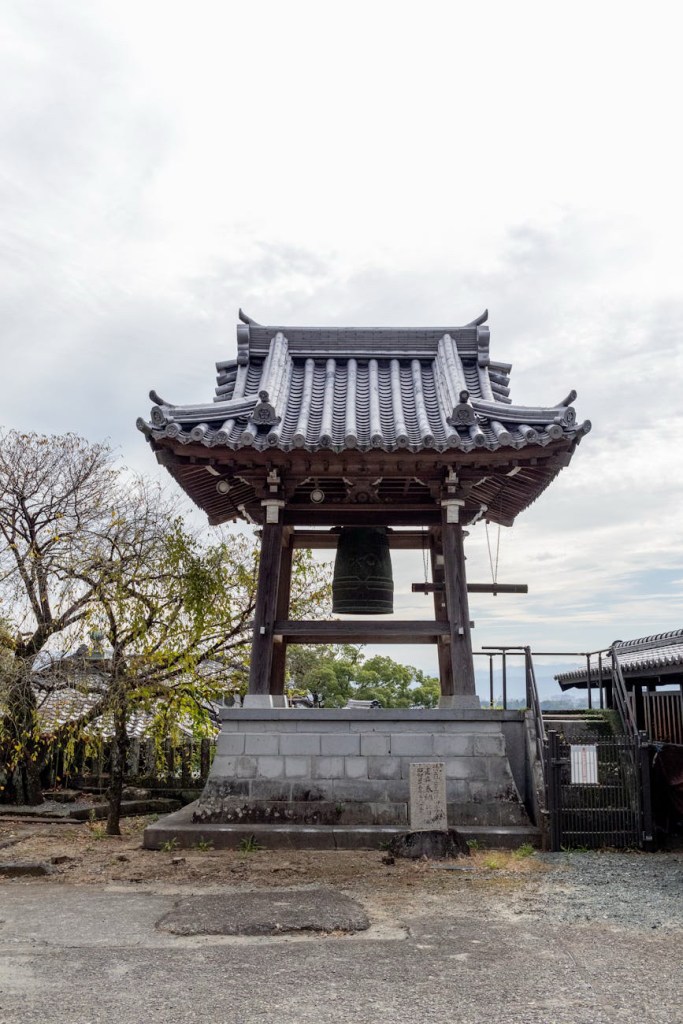
除夜の鐘


②Cleaning: Preparation for the New Year
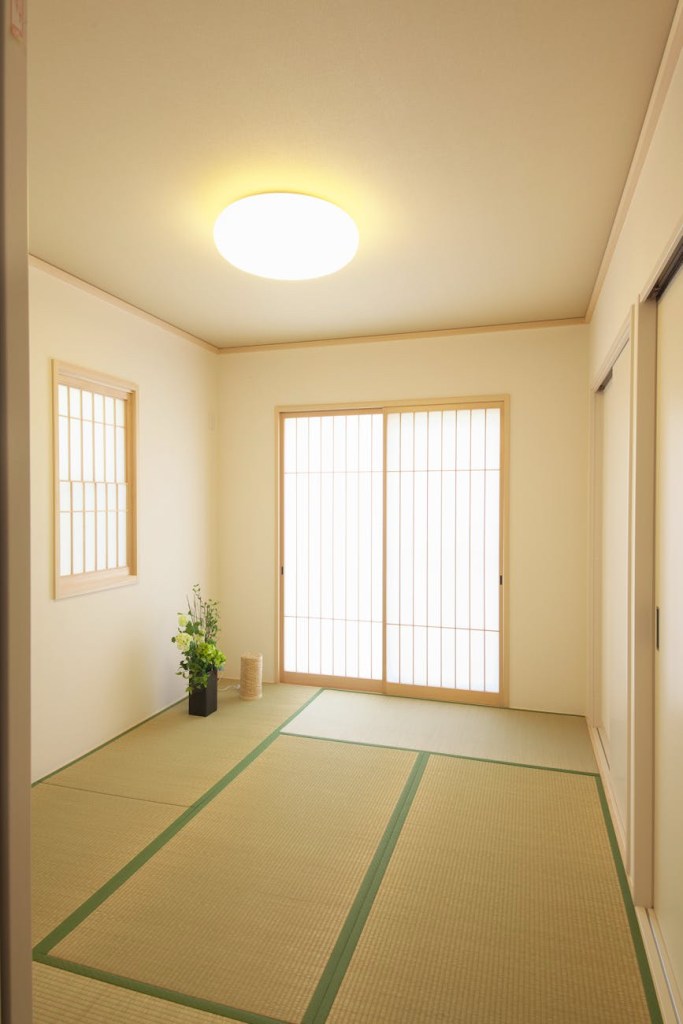
大掃除

③Watching NHK Kohaku Uta Gassen

NHK紅白歌合戦を観る

New Year’s Eve is a special day for Japanese people to reflect on the year and welcome the new year with hope.

Japanese people spend their time in this way. Of course, there are people who work, and each person has various ways of spending their time.

Recommended MyFavorite Places in Japan⭐️Kyoto – A picturesque city any time of the year

いつ行っても京都って

どこを撮っても絵になる

歴史を思い浮かべながら

風を感じながら

河原町を歩く

鴨川

橋を渡る 美しい景色

人が行き交う

https://pin.it/3zDDClb

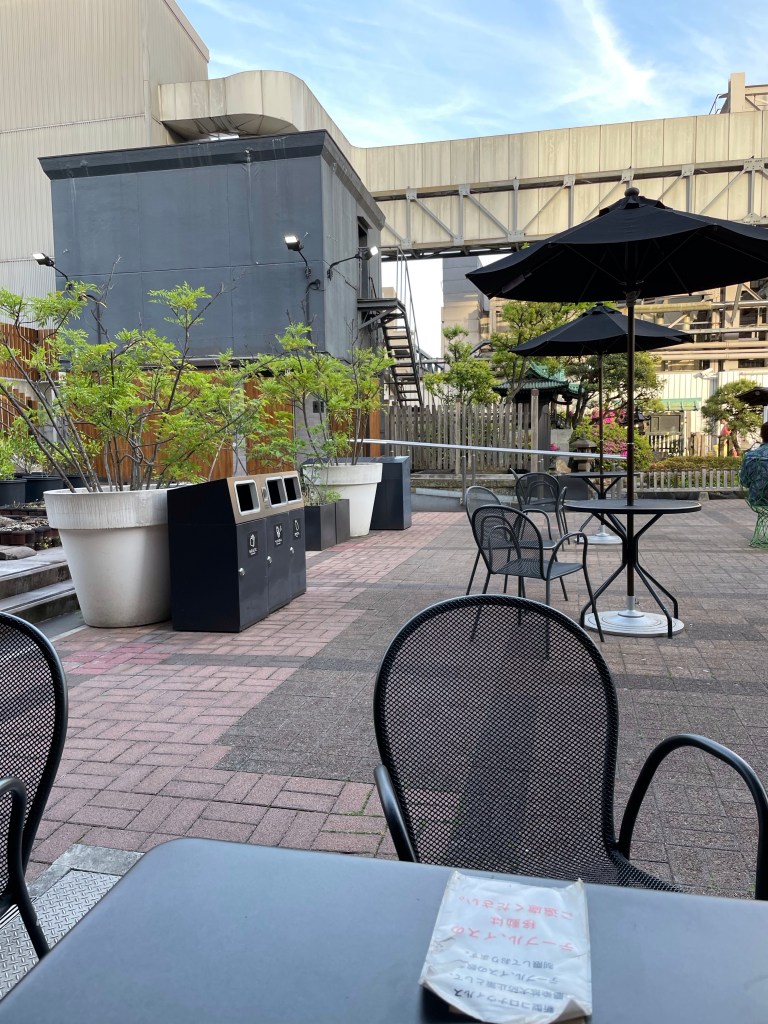
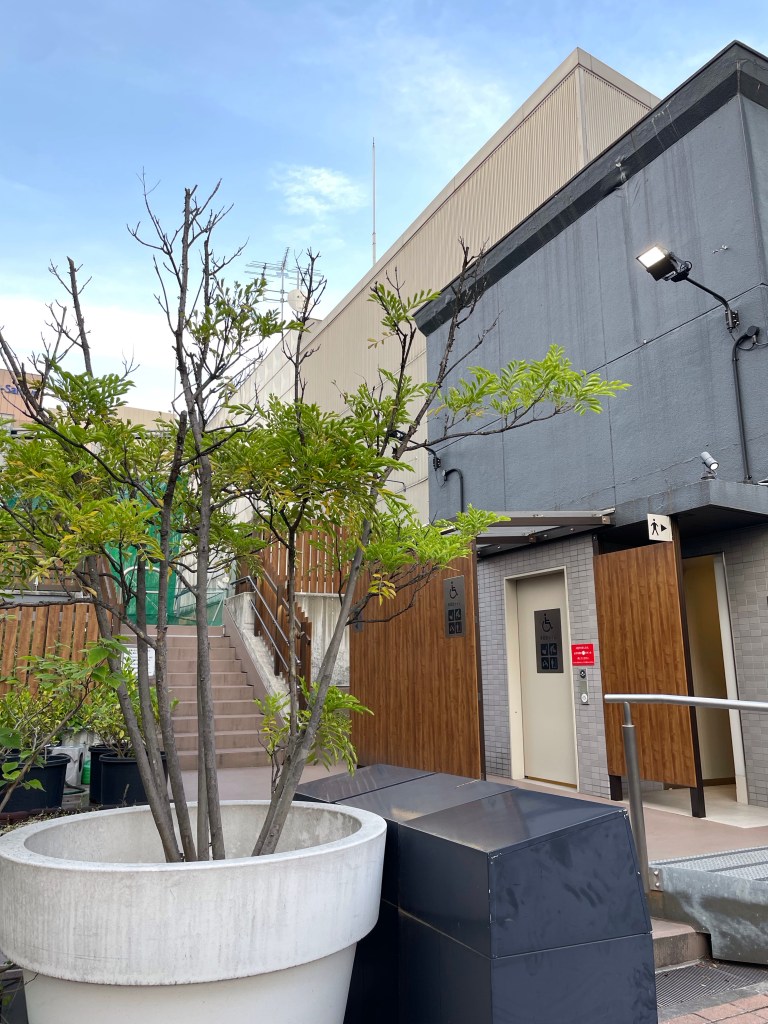
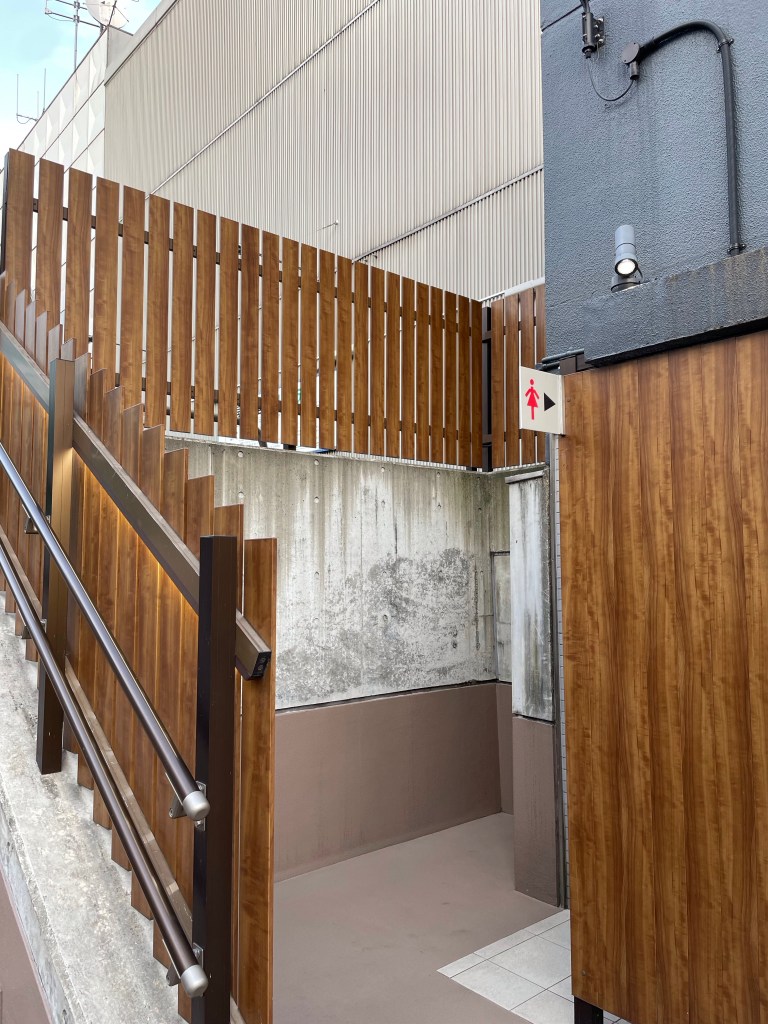
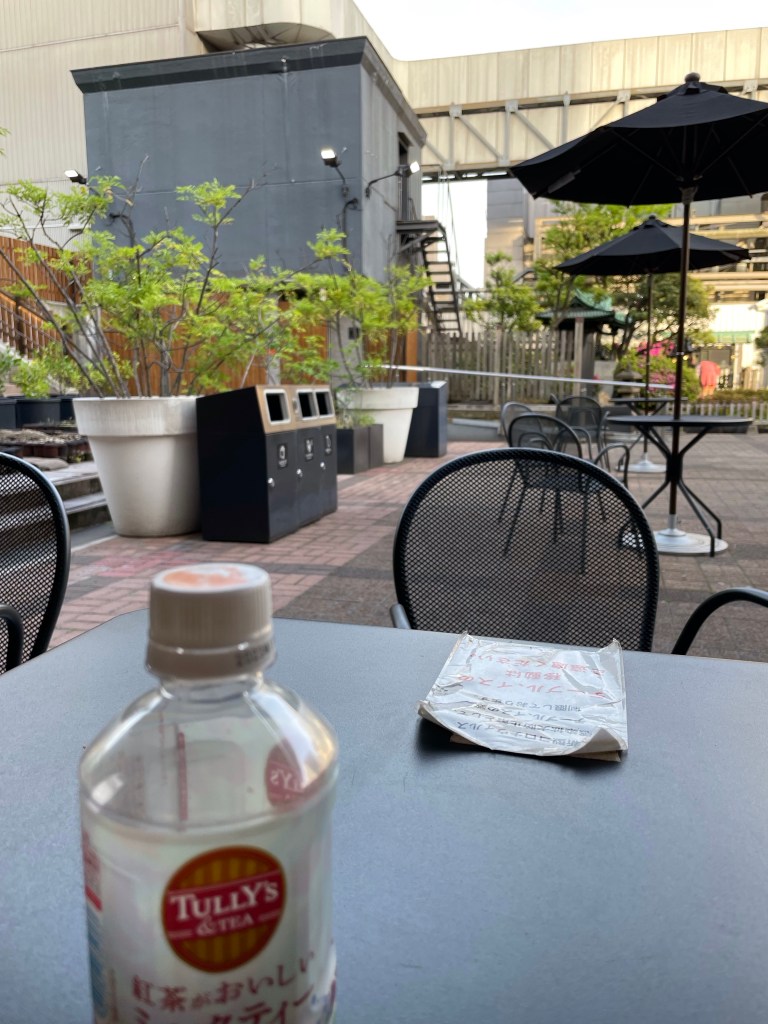
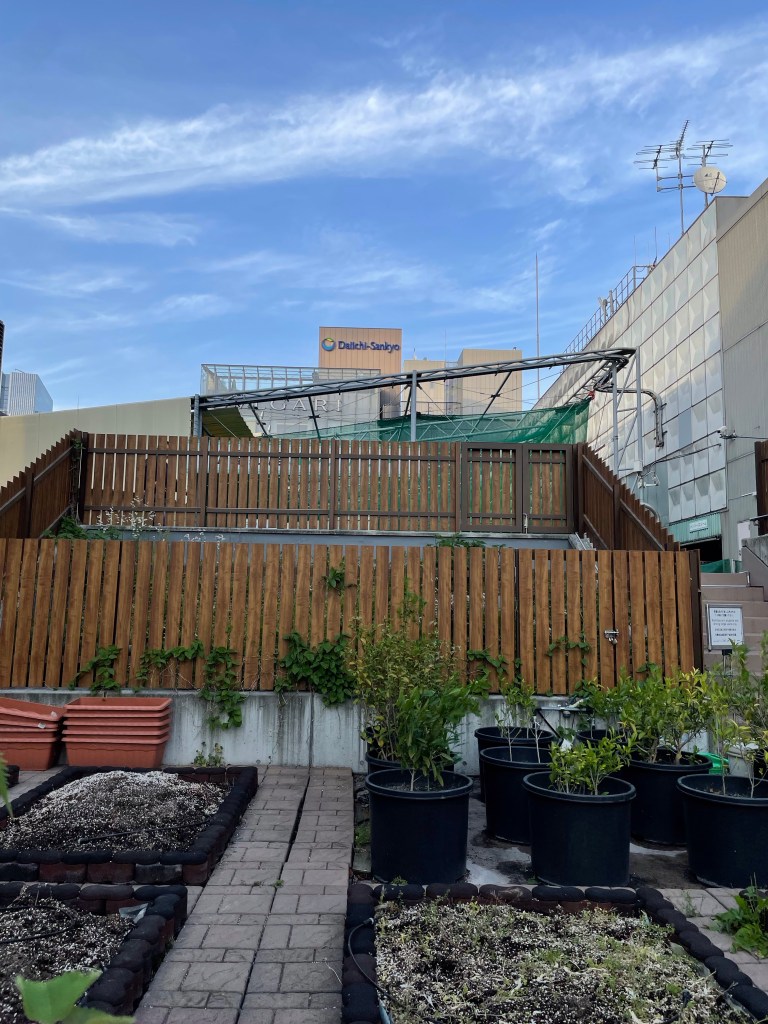
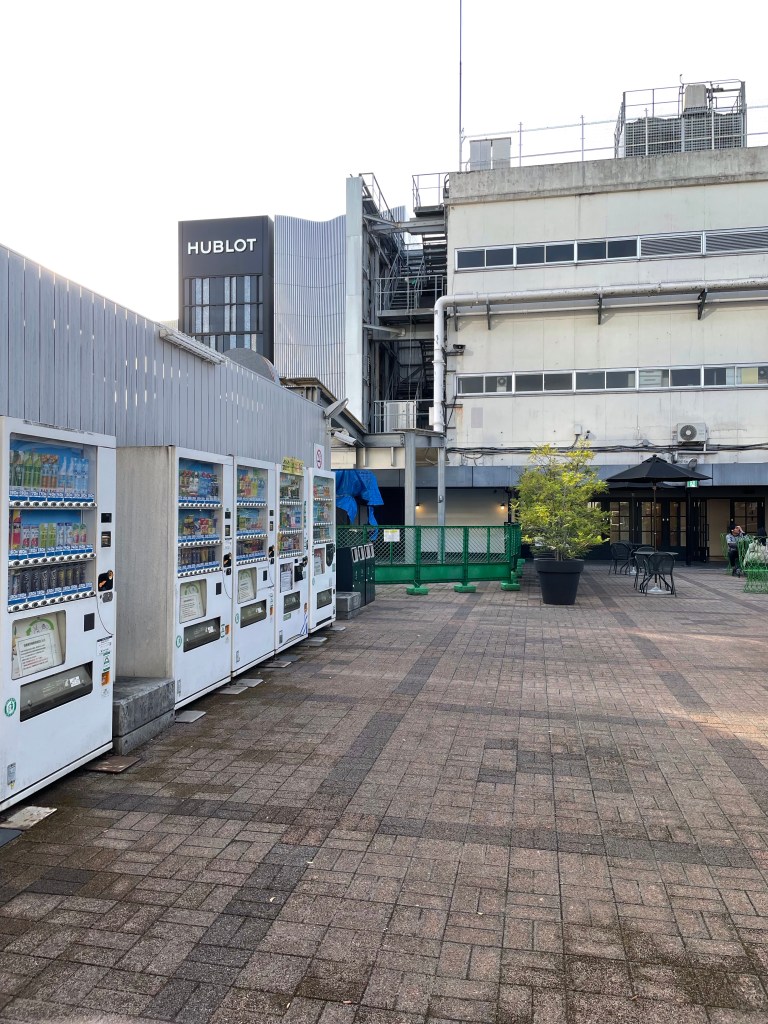
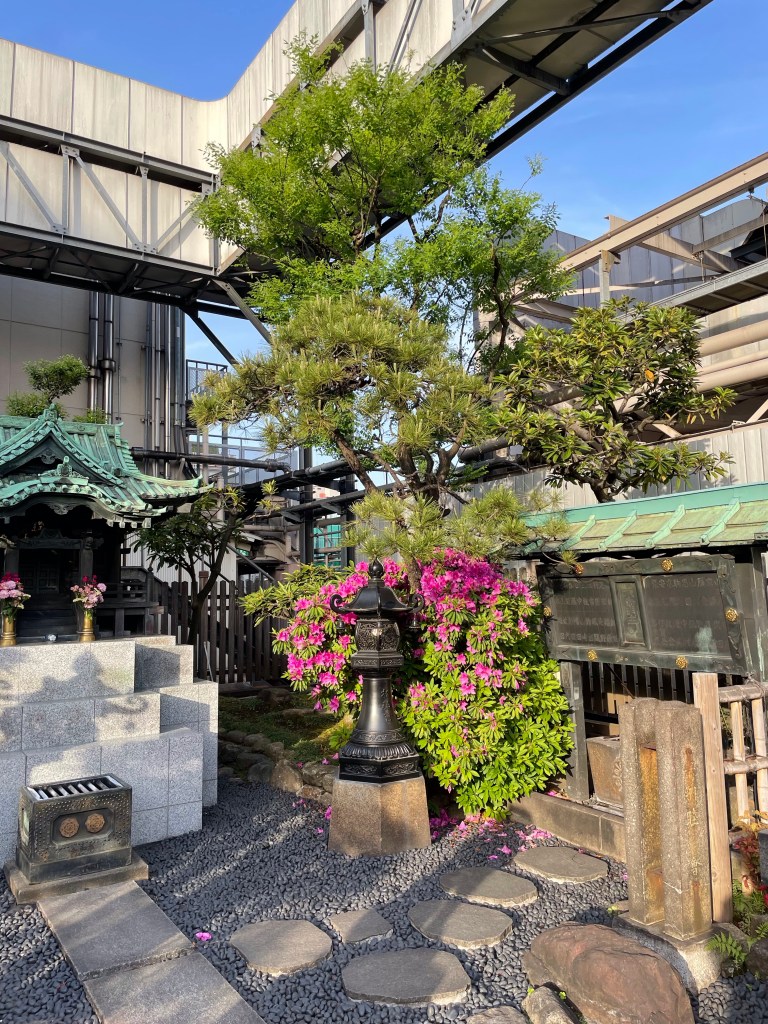
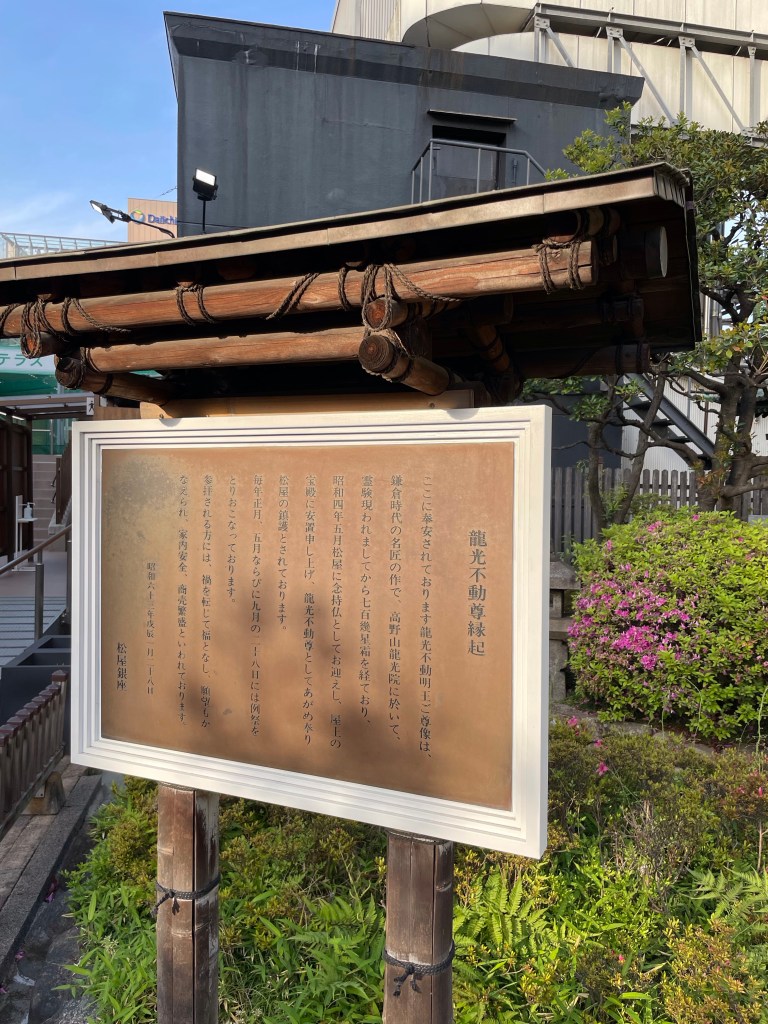
Sightseeing in Ginza? There’s a good place to take a break. It’s on the rooftop of Matsuya Ginza. It’s quiet, there are restrooms, vending machines, and a place to pray.

もしも 銀座で歩き疲れたら

ココで休憩 ブレイク

ホット一息

自動販売機もベンチもあります

デパ地下のお弁当食べるのも

ここならゆっくり

召しあがれ

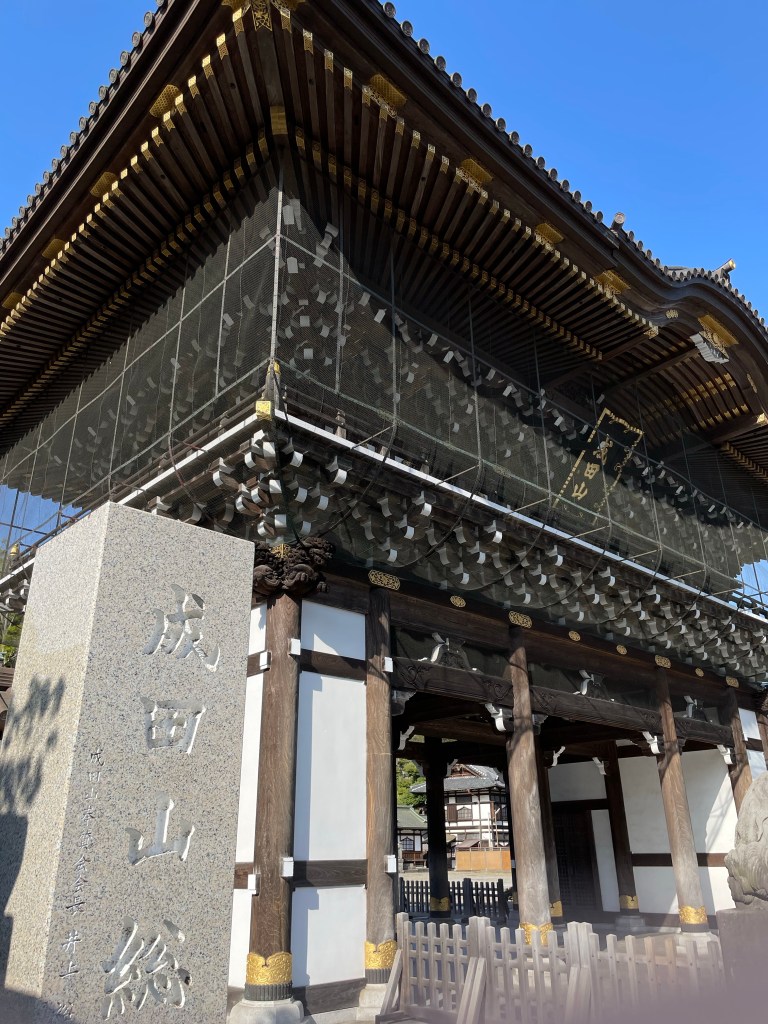
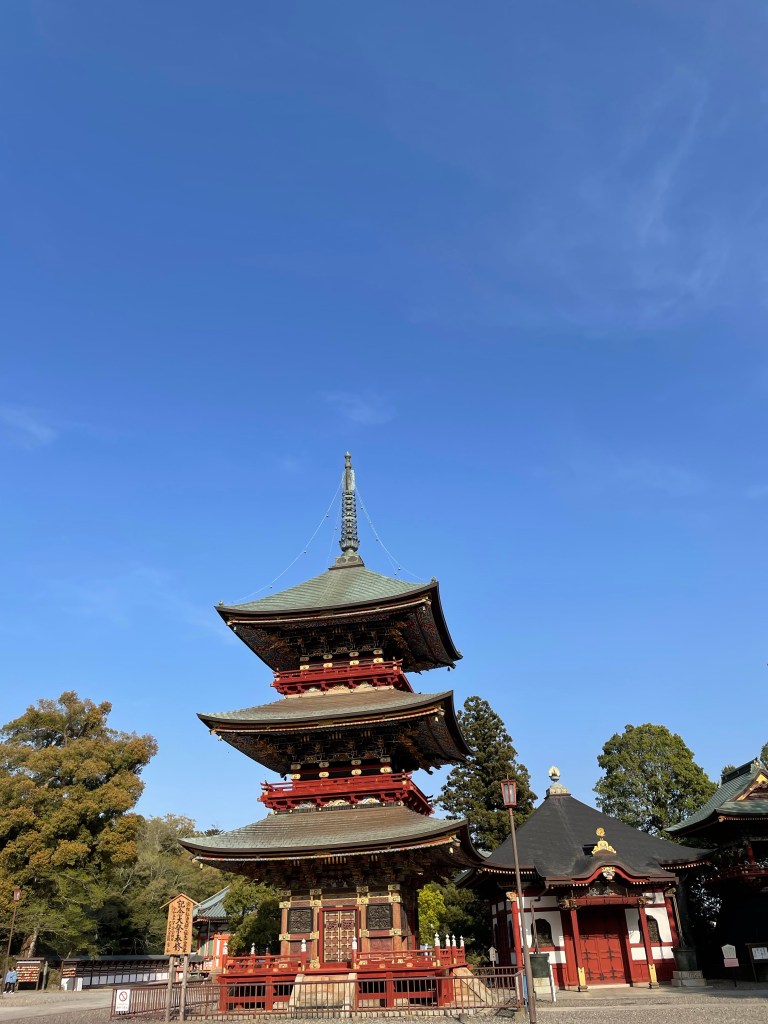
Naritasan Shinsho-ji Temple Power spot 30 minutes from Narita Airport

成田山新勝寺

成田空港からすぐ

乗継時間があったら 寄ってみて

パワースポットです

https://pin.it/JyS2QIj

Naritasan Shinsho-ji Temple has a history of more than 1,080 years, and is one of the leading temples in the country where more than 10 million visitors visit annually.

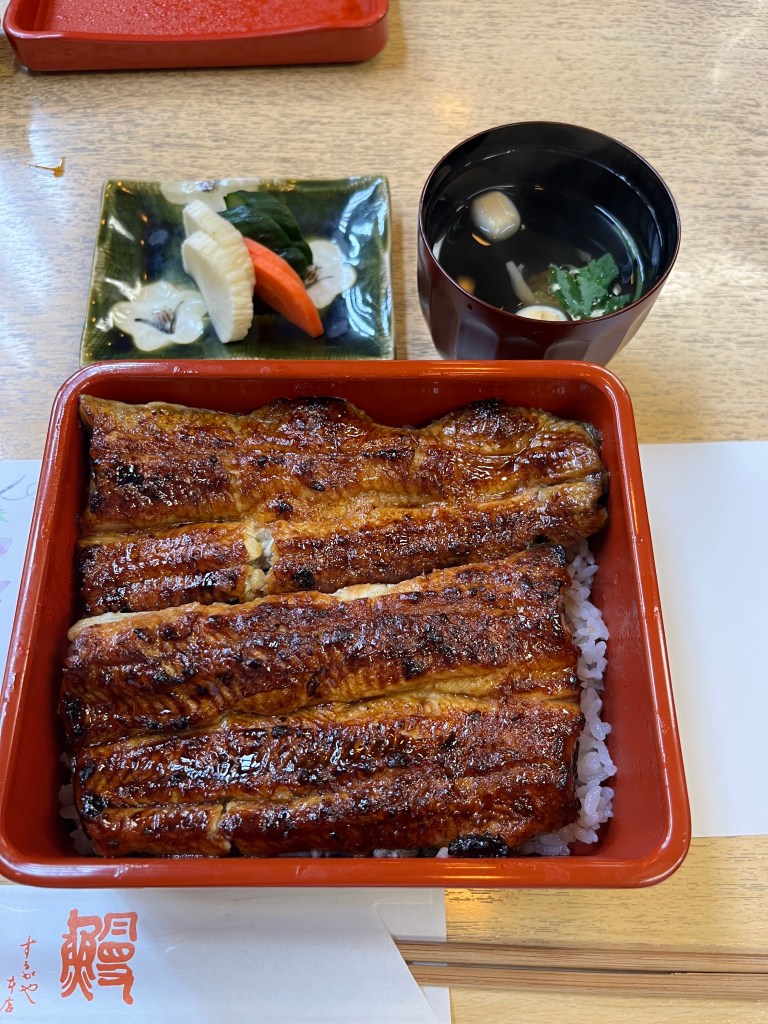
Why is Naritasan an eel?

うなぎがとっても有名

ランチを成田空港で食べるなら

ここまでくるのもオススメ

美味しい鰻 食べて

海外へ それか

帰ってきた時

やっぱり美味しい

贅沢なひととき

https://www.surugaya-unagi.net/food

Narita, where the Tone River and Inbanuma are located, is rich in water resources, and river fish have been eaten well for a long time. The eel caught in Inbanuma is one of them. In the Edo period, Narita pilgrimage and Kabuki appreciation to visit Naritasan Shinsho-ji Temple spread as a vacation, and eel dishes came to be served to entertain worshippers.