Recommended new year shopping ⭐️福袋 great value package in Japon

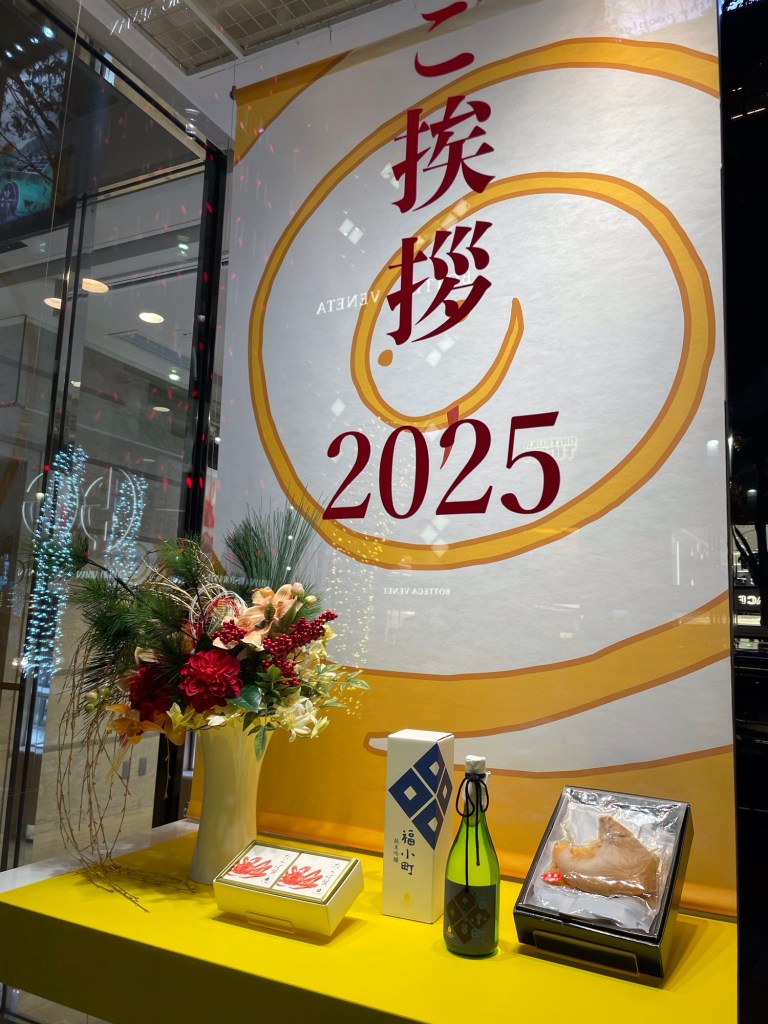
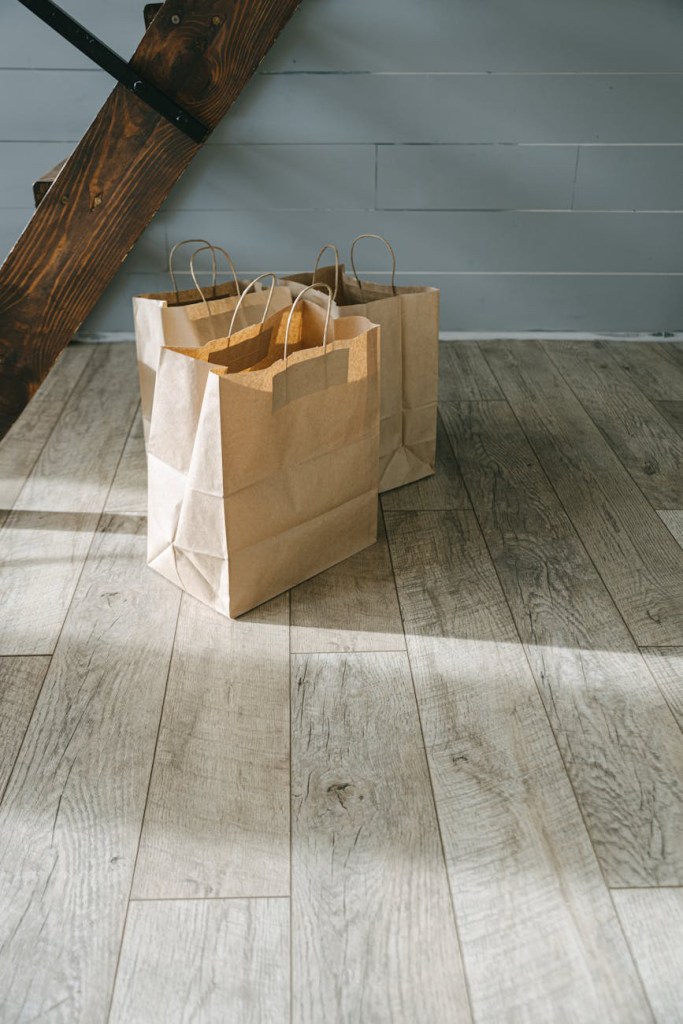
“Fukubukuro” is a Japanese New Year’s tradition where various products are packed into a great value package.

The fukubukuro for 2025 includes a variety of genres such as food, goods, and fashion, with sales from department stores and popular brands attracting attention.

Recently, there has been an increase in fukubukuro where the contents are visible and collaboration products, making it easier for consumers to choose. It is customary for long lines to form at the first sale, and popular items can sell out in a matter of minutes.

The history of the fukubukuro dates back to the Edo period.

The original “Ebisu-bukuro” was sold by Echigoya (now Mitsukoshi), a kimono store in Nihonbashi, which filled bags with leftover winter fabrics.

Daimaru kimono stores also sold bags filled with scraps of fabric in the same way.
In the Meiji period (1868-1912), with the development of department store culture, the fukubukuro became firmly established and became a symbol of the first sales of the New Year.

The name means “to stuff with good fortune.福袋🛍️

Modernization and the development of commerce were behind the popularization of fukubukuro during the Meiji period (1868-1912).As the department store culture spread, Tsuruya Drapery Store (today’s Matsuya) and Ito Drapery Store (today’s Matsuzakaya) began selling fukubukuro, which were widely advertised through newspaper ads.Fukubukuro also attracted attention as a sales strategy combining inventory clearance and good deals for consumers, and became established as a good luck charm for the New Year.

The fukubukuro boom of the Showa period began around 1966, when department stores aggressively introduced fukubukuro as part of their New Year’s first sales.With the high economic growth period in the background, consumer confidence increased, and fukubukuro were introduced in diverse genres such as fashion and home electronics, becoming an established tradition for the New Year’s holiday.
Recommended Events 大晦日の日 31st of December

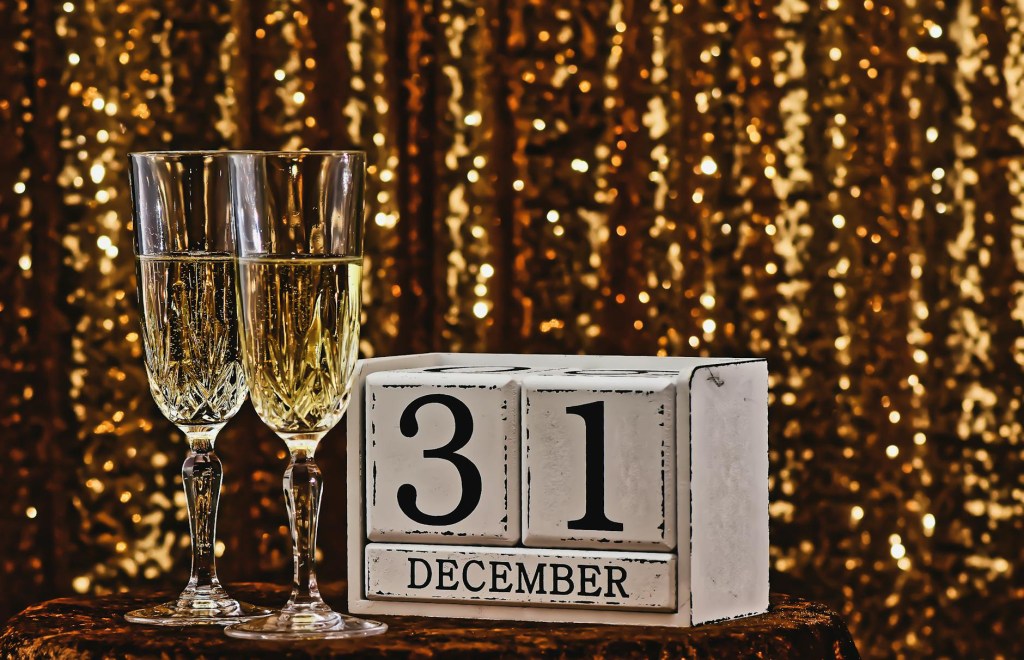
I am writing about how to spend New Year’s Eve on December 31st for those who have come from overseas.

大晦日 OHーMISOKA

Meaning and Origin of New Year’s Eve.


New Year’s Eve has been a tradition since the 平安時代Heian period (794-1185), and began as a day of preparation for welcoming the 歳神様”Toshigami-sama,” or God of the Year.

It comes from “Misoka,” which means the last day of the month in the lunar calendar, and represents the end of the year.

Major New Year’s Eve Traditions
Japanese people hold the following traditional events on New Year’s Eve:

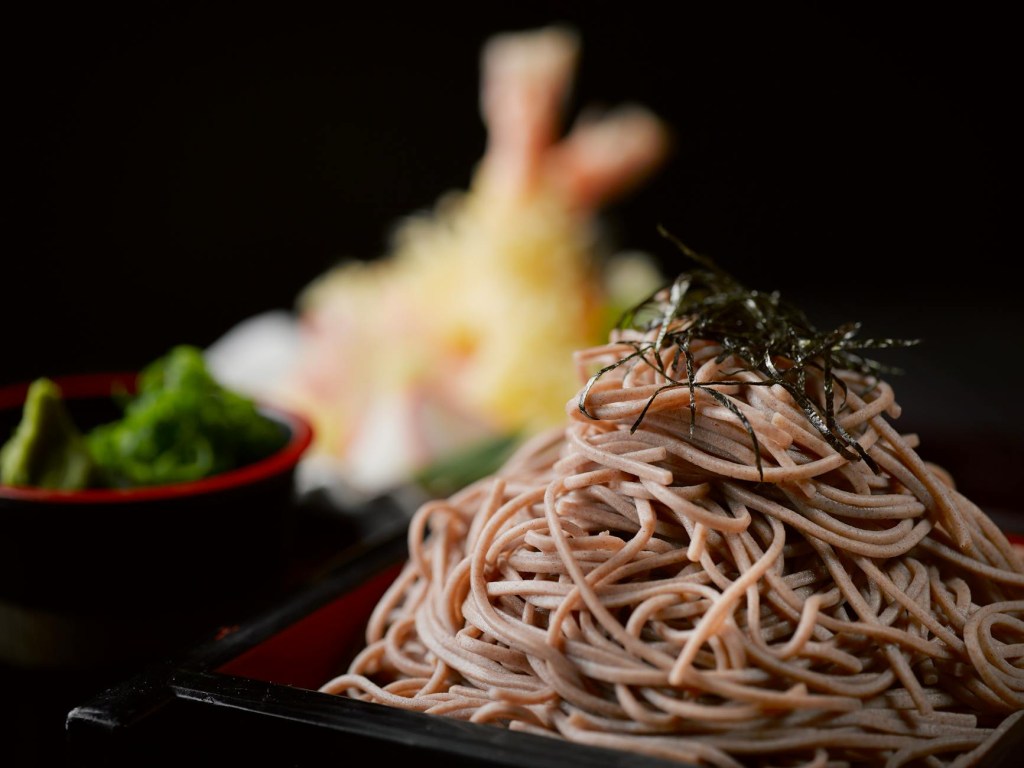
①年越し蕎麦 Soba

New Year’s Eve Soba: to break the hardships of the year and wish for a long life


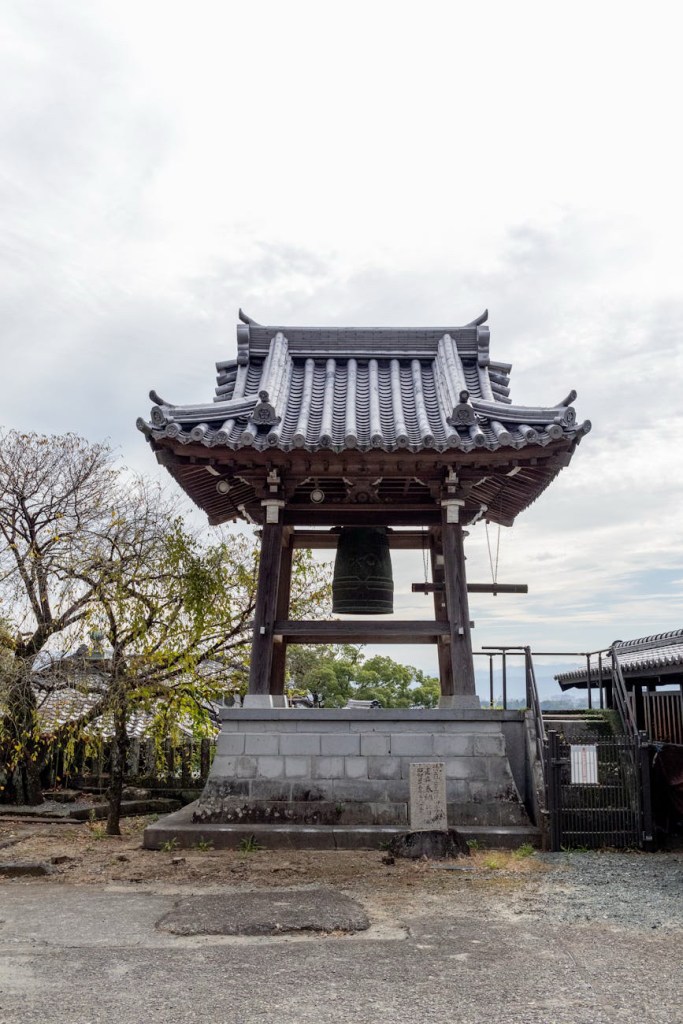
– Ringing of the temple bell: 108 bells are rung to remove all worldly desires.

除夜の鐘


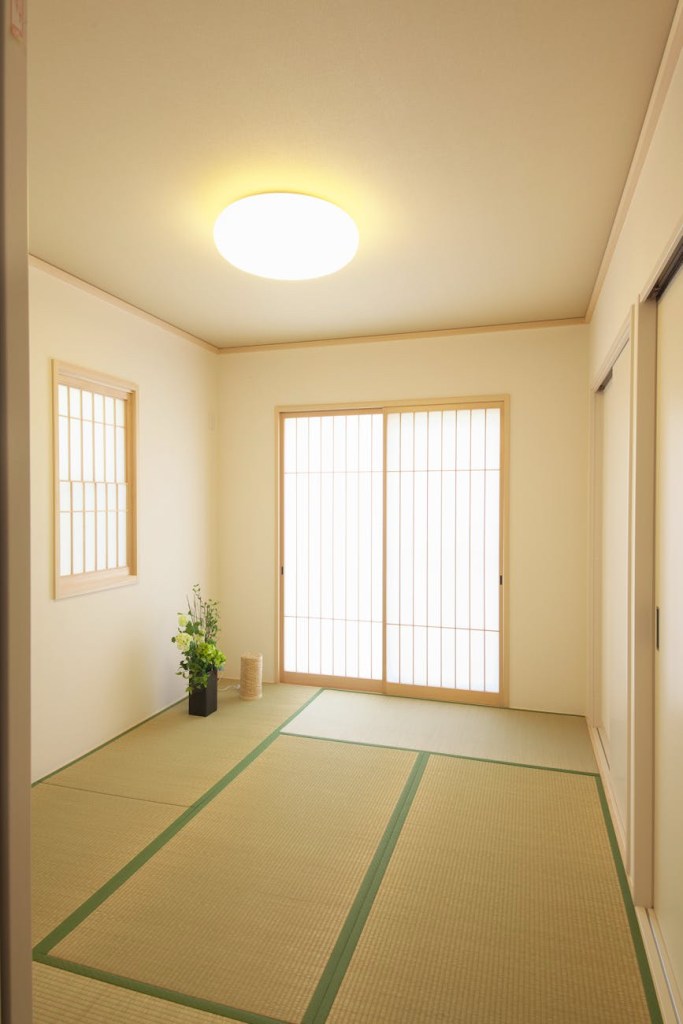
②Cleaning: Preparation for the New Year

大掃除

③Watching NHK Kohaku Uta Gassen

NHK紅白歌合戦を観る

New Year’s Eve is a special day for Japanese people to reflect on the year and welcome the new year with hope.

Japanese people spend their time in this way. Of course, there are people who work, and each person has various ways of spending their time.
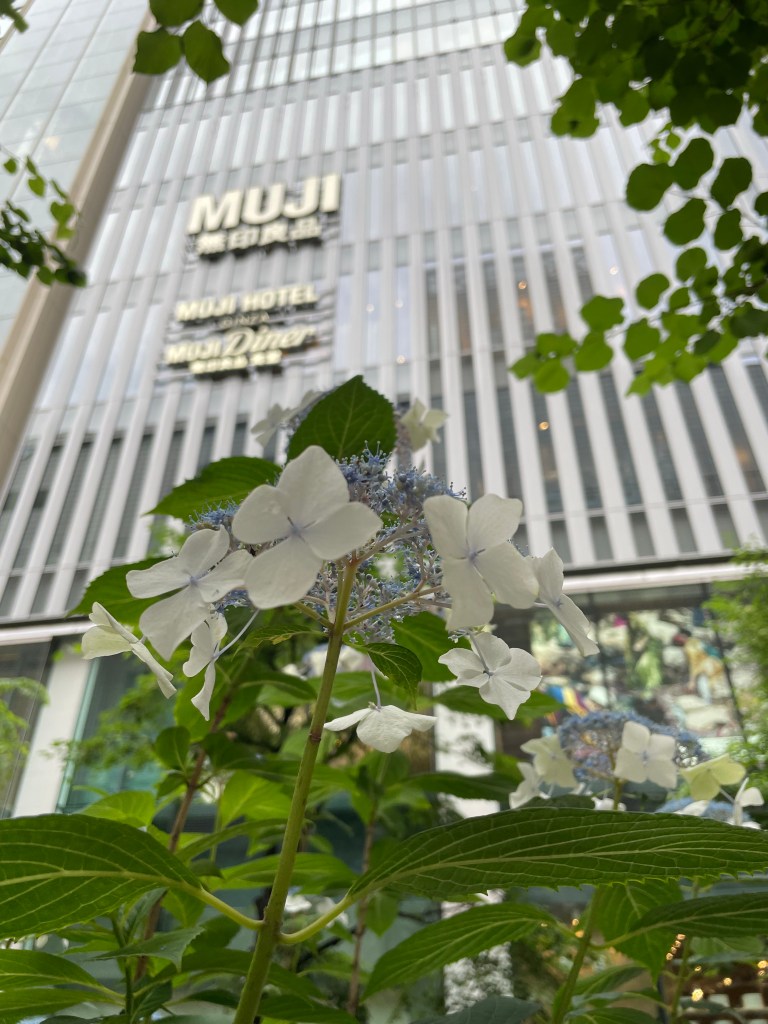
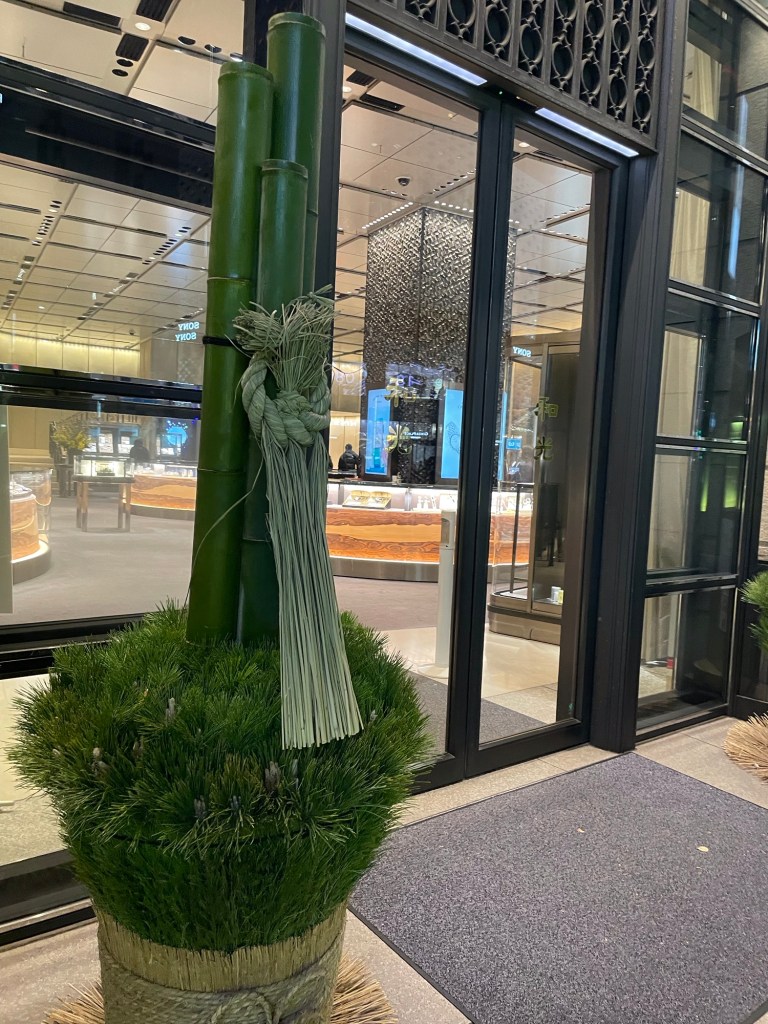
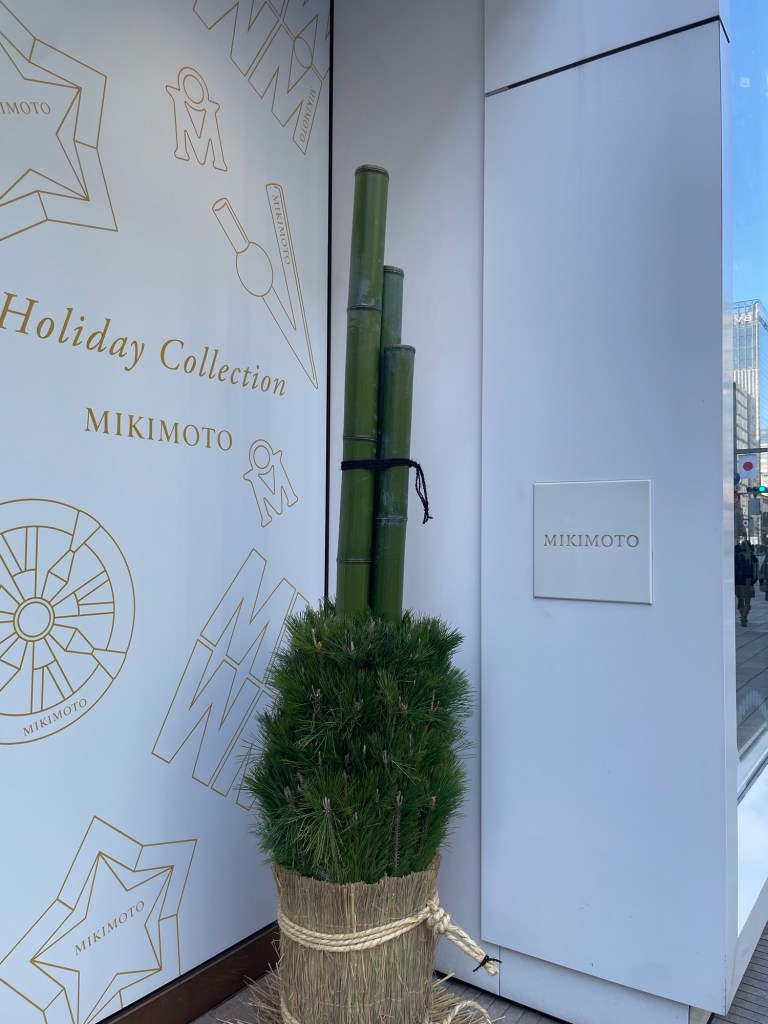
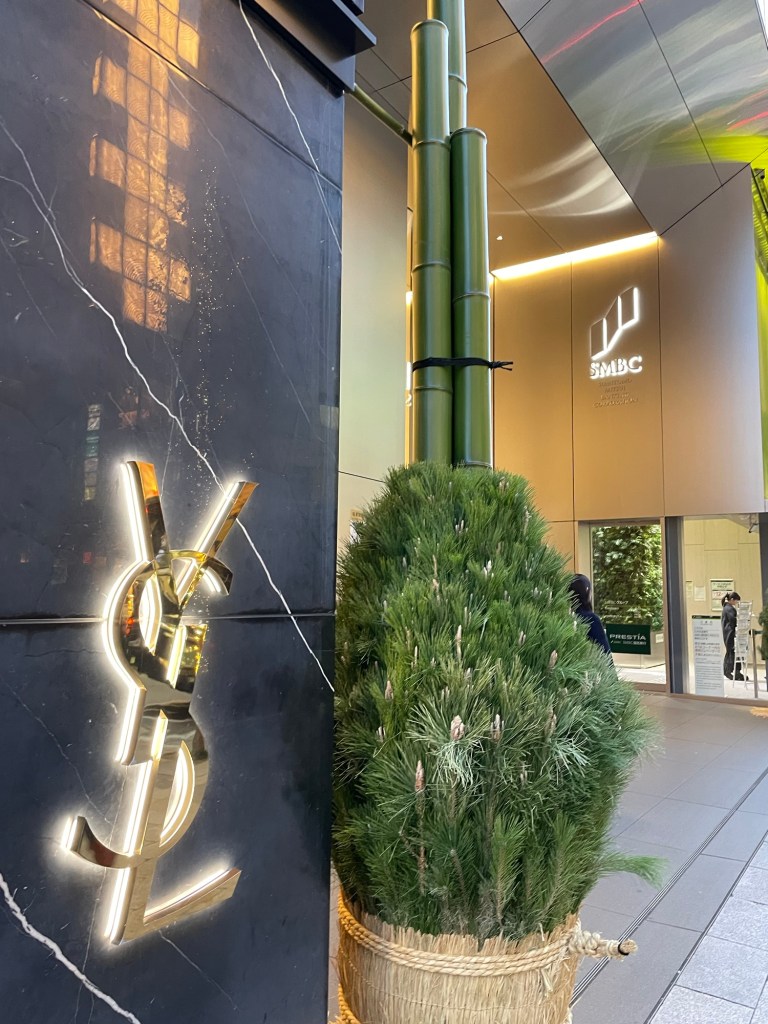
日本の風習 年末の銀座 門松門松の風景  Recommend City Scenery! at the end of the year, Kadomatsu.

門松 門に松 と書きます。

https://pin.it/cwd7GvIRE

https://pin.it/36N7PJmVl


Kadomatsu is a decoration displayed at the end of the year to welcom the New Year,

believed to welcome the deity of the year.

It is generally considered good to set it up from December 25th to 28th,

and it is avoided on the 29th as “kutamachi” and on the 31st as “ichiyakazari.”

Kadomatsu is something to be placed at the entrance, and even a simple and modest one is acceptable depending on the circumstances of the region or household.

By the way, today, !

12/30!seems to be the last day it’s okay to put it up.

I’m going to hurry and put it up.

Removal is generally on January 7th after the end of “matsunouchi,” but it varies by region.

門松が並んでます

年末にお正月を迎える準備として飾るもの。

年神様を迎えるとされています。

設置には一般的に12月25日から28日までが良いとされています。

知らなかったです。だから早くから設置するんだ。早いなー!っていつも思ってました💦

29日は「苦待ち」、31日日は「一夜飾り」として避けられるそうです。

門松は玄関置くものですが、地域や家庭の事情に合わせて質素な略式のものでも問題ありません。ちなみに今日12/30はギリギリ大丈夫な日のようです。急いでつけようと思います。

片づける日は「松の内」が終了する1月7日が一般的です。

地域によってこれは変わるそうです。

今日のおすすめ日本の風習でした。

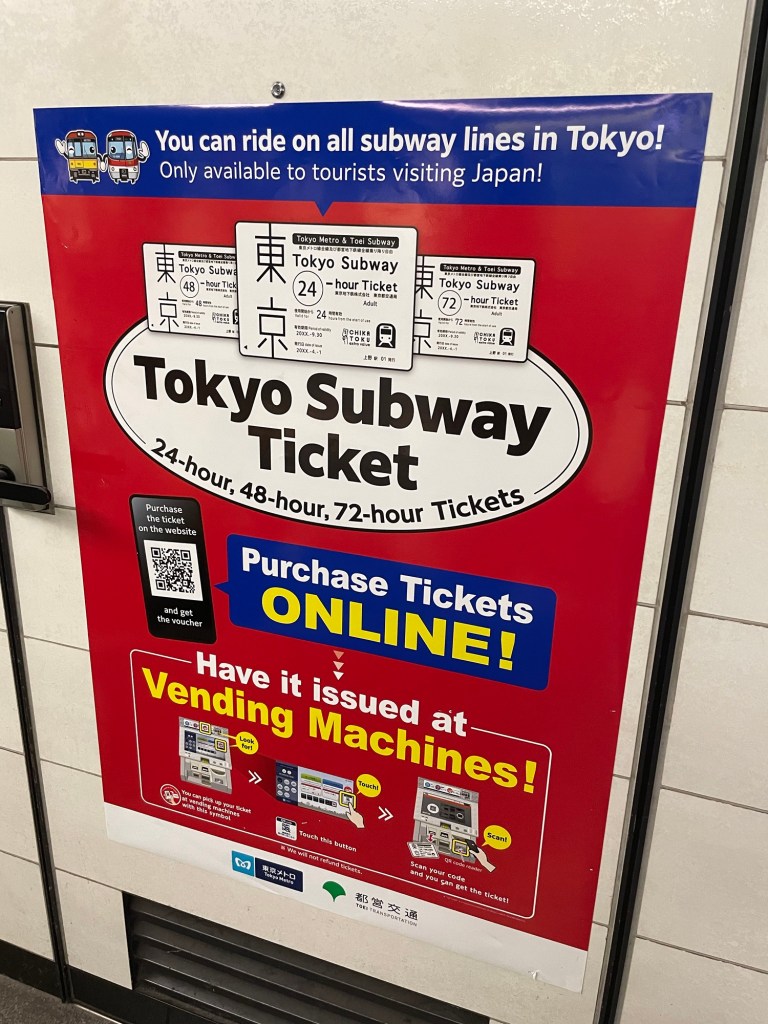
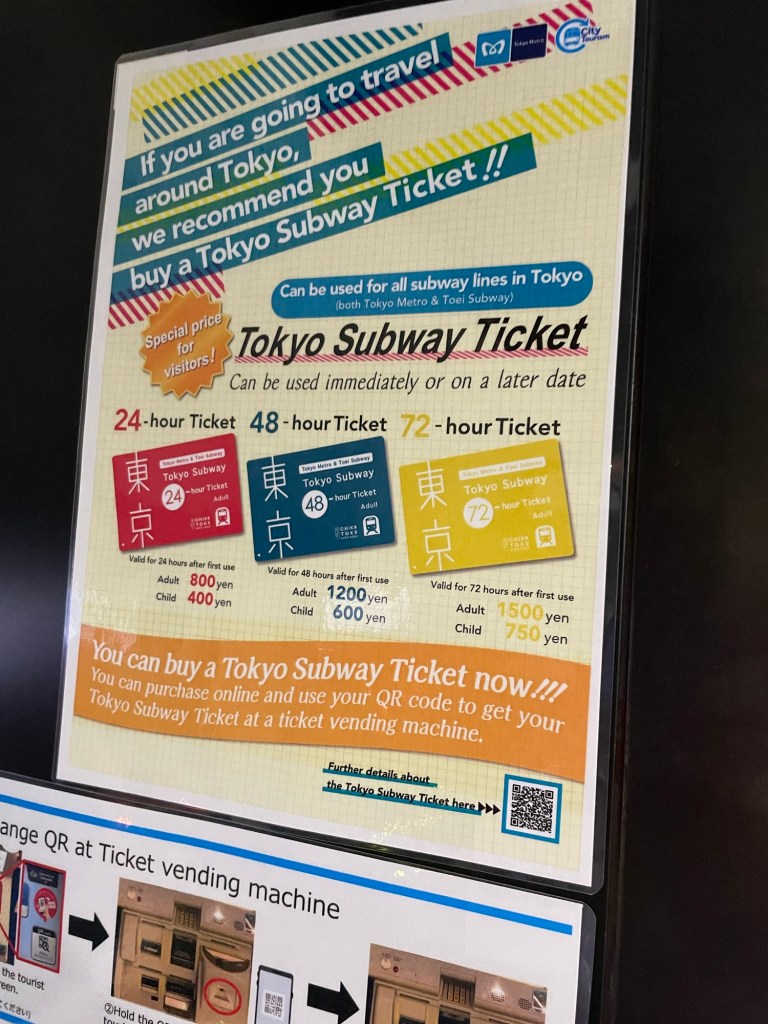
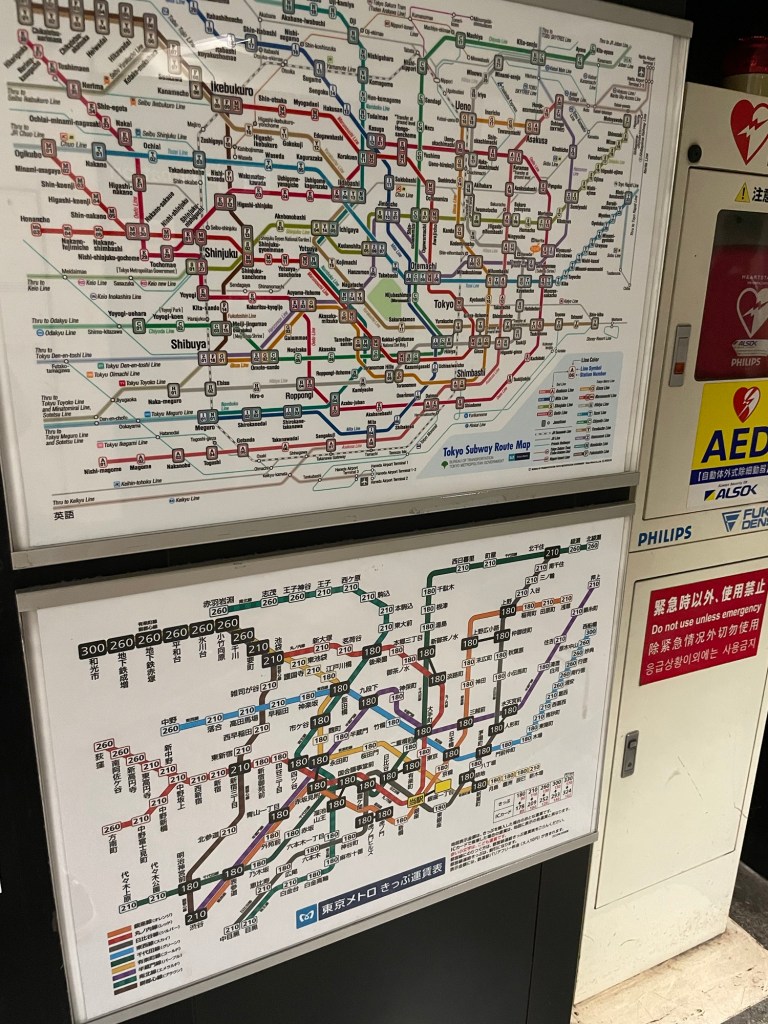
Recommended Transportation in Japan All Tokyo ⭐️subway Tickets From 800 yen per day 東京地下鉄一日券 2日券 3日券 とってもお得🉐

This is convenient for traveling around Tokyo!

But only subways can be used.

1-day, 2-day and 3-day tickets are available

It would be more convenient to buy in advance.

Try it!

https://www.tokyometro.jp/tst/en/ticket-overseas-purchase.html

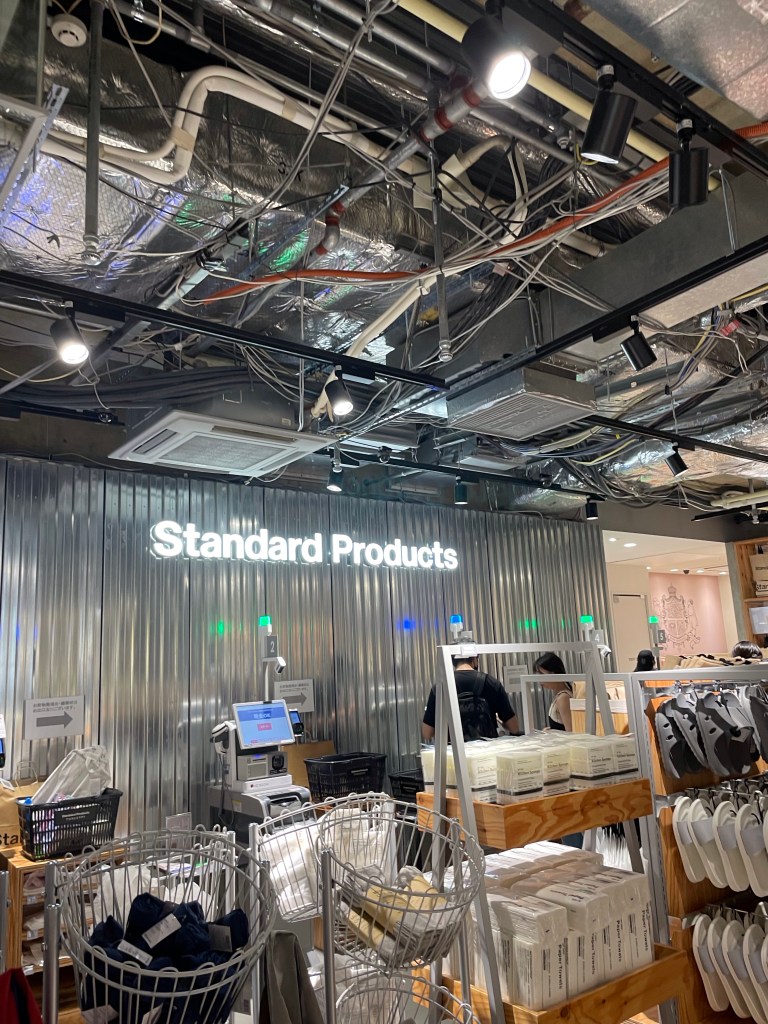
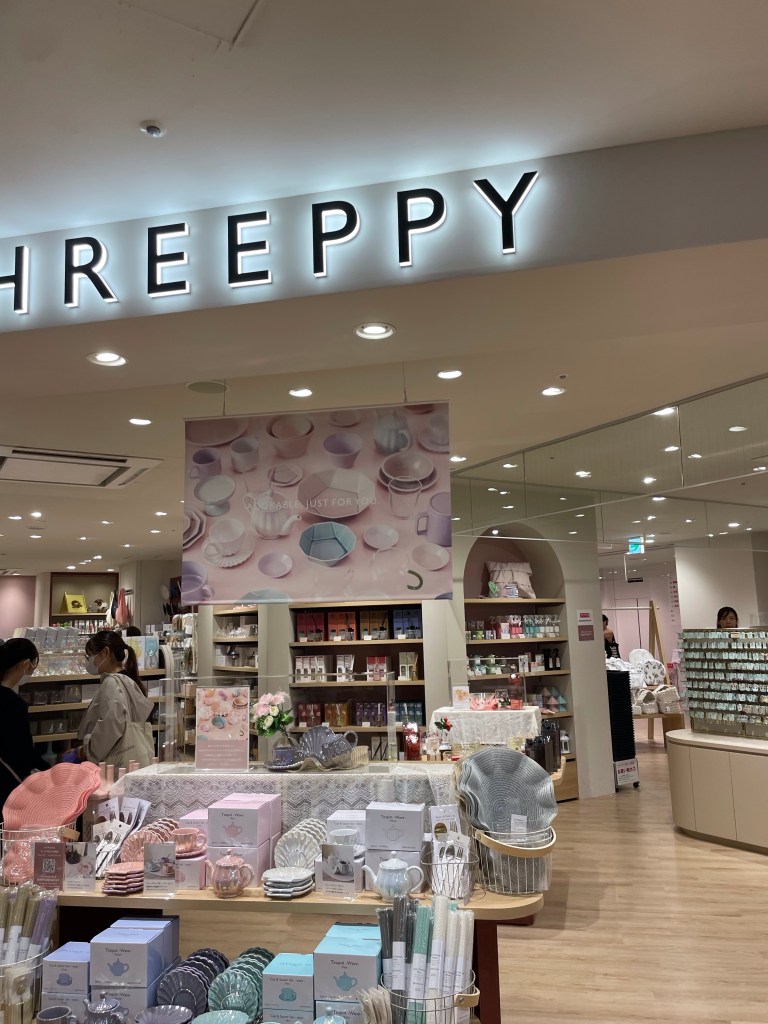
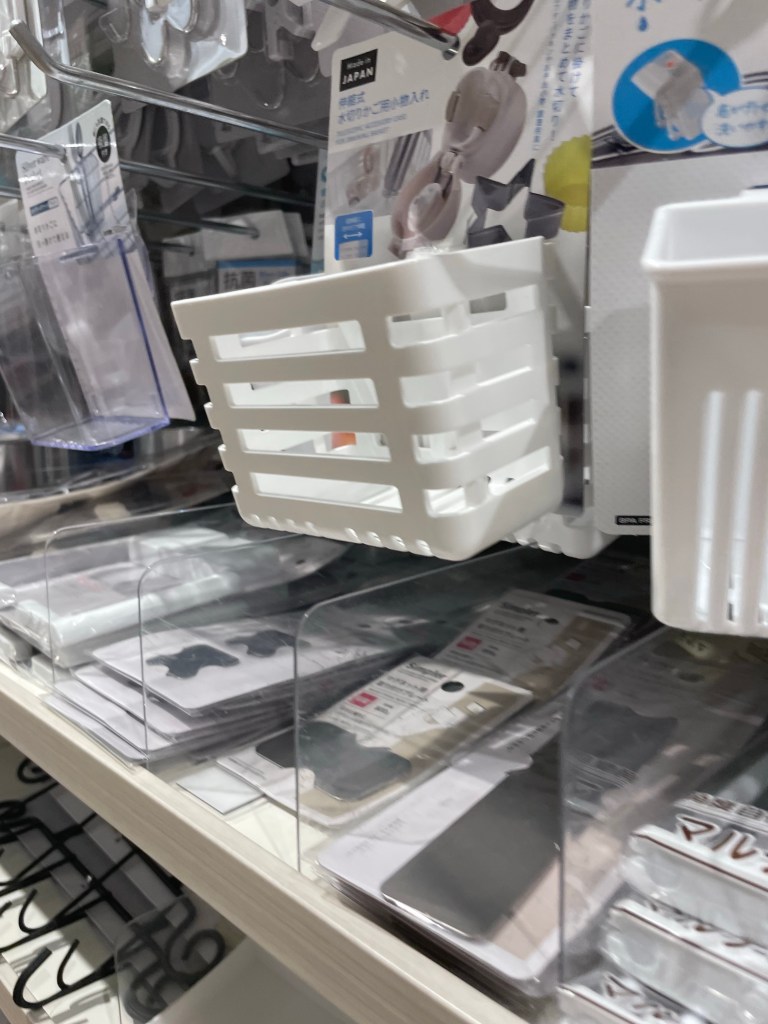
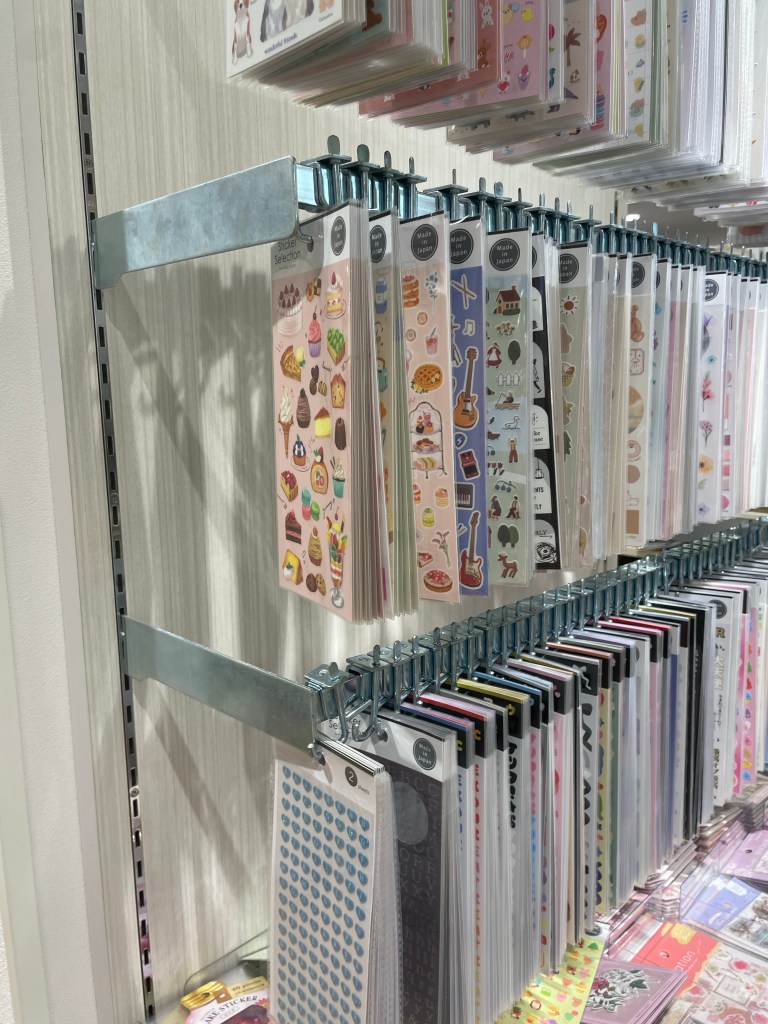
Recommended cawaii shopping in Tokyo⭐️Standard products and THREEPY by Daiso at Ginza

https://pin.it/8ZHHiKf

⭐️THREEPY, a 300-yen store by Daiso⭐️

おとなかわいい がテーマ  It’s sophisticated but cawaii 

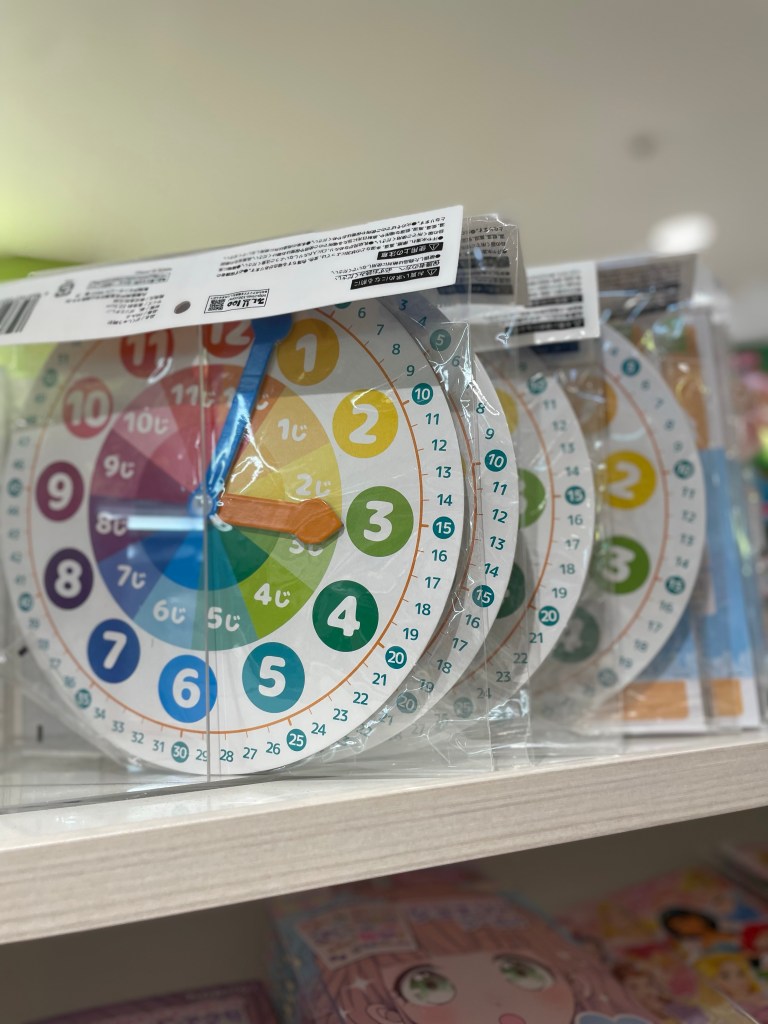
⭐️Daiso New brand “Standard Products⭐️

ダイソーの進化がすごい

シンガポールにも出店

to enjoy their own identity

not only easy to use, but also made of environmentally friendly materials, at prices and quality

ダイソー進化すごい!

will strive to improve the usability and quality of our products so that they will continue to be the standard.

Authentic, casual, and enjoyable in your own way.
It becomes “Always good” for the customer.
A little better is always better.

Daiso believe so❤️

ダイソー大好き cawaiiものいっぱい

https://www.daiso-sangyo.co.jp/shop/map

https://www.daiso-sangyo.co.jp/shop/map

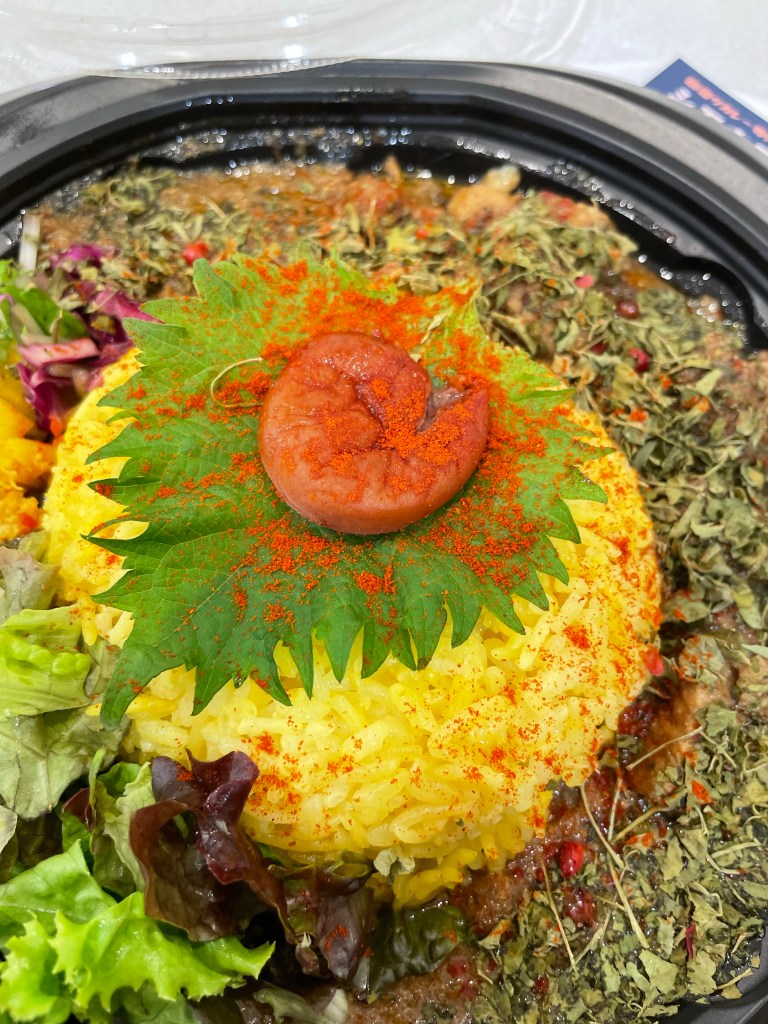
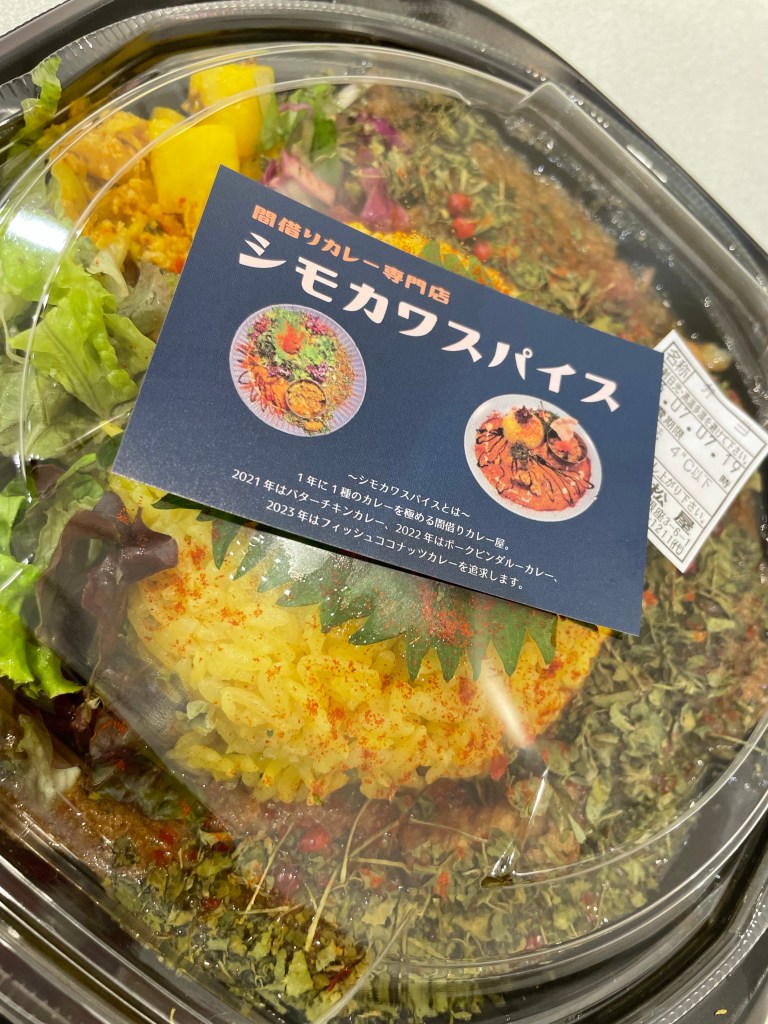
Recommended oisii shopping in Japan ⭐️Spice Curry

スパイスが効いてるし 梅干しが!
Taste for the first time
I can’t believe there are dried plums on top!
New Age Curry

新しい

暑い夏スパイス最高!

https://pin.it/67tCv6s

https://www.matsuya.com/ginza/news/2023/0704/thecurryscramble2023-4/

7/9今日まで!