
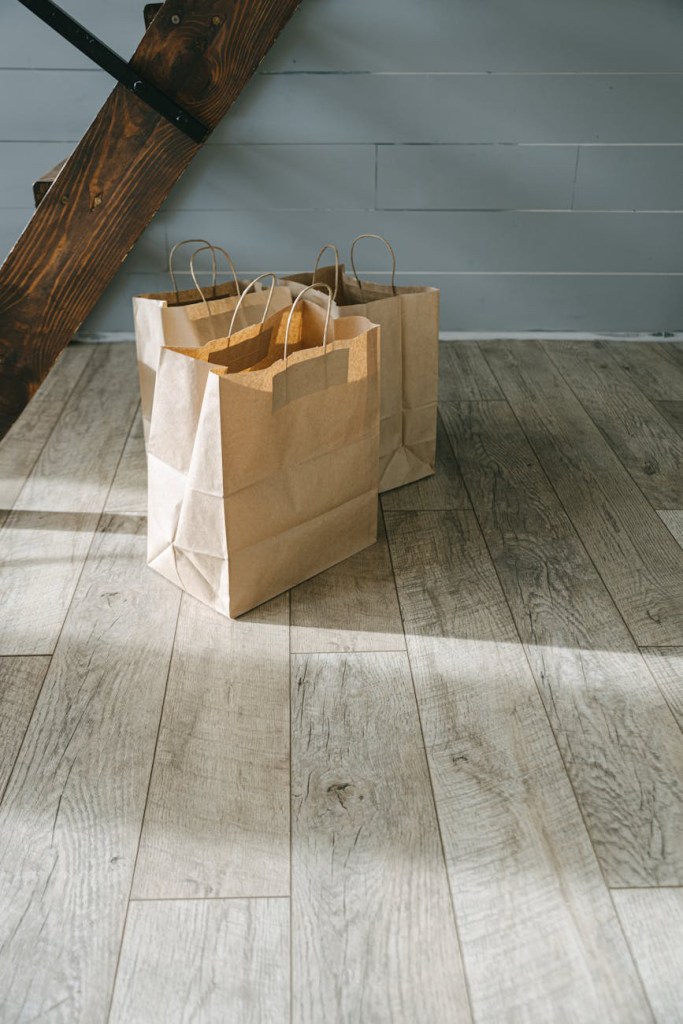
“Fukubukuro” is a Japanese New Year’s tradition where various products are packed into a great value package.
The fukubukuro for 2025 includes a variety of genres such as food, goods, and fashion, with sales from department stores and popular brands attracting attention.
Recently, there has been an increase in fukubukuro where the contents are visible and collaboration products, making it easier for consumers to choose. It is customary for long lines to form at the first sale, and popular items can sell out in a matter of minutes.
The history of the fukubukuro dates back to the Edo period.
The original “Ebisu-bukuro” was sold by Echigoya (now Mitsukoshi), a kimono store in Nihonbashi, which filled bags with leftover winter fabrics.
Daimaru kimono stores also sold bags filled with scraps of fabric in the same way.
In the Meiji period (1868-1912), with the development of department store culture, the fukubukuro became firmly established and became a symbol of the first sales of the New Year.
The name means “to stuff with good fortune.福袋🛍️

Modernization and the development of commerce were behind the popularization of fukubukuro during the Meiji period (1868-1912).As the department store culture spread, Tsuruya Drapery Store (today’s Matsuya) and Ito Drapery Store (today’s Matsuzakaya) began selling fukubukuro, which were widely advertised through newspaper ads.Fukubukuro also attracted attention as a sales strategy combining inventory clearance and good deals for consumers, and became established as a good luck charm for the New Year.
The fukubukuro boom of the Showa period began around 1966, when department stores aggressively introduced fukubukuro as part of their New Year’s first sales.With the high economic growth period in the background, consumer confidence increased, and fukubukuro were introduced in diverse genres such as fashion and home electronics, becoming an established tradition for the New Year’s holiday.
 SUNSUN kawaii Japon🇯🇵
You must be logged in to post a comment.